


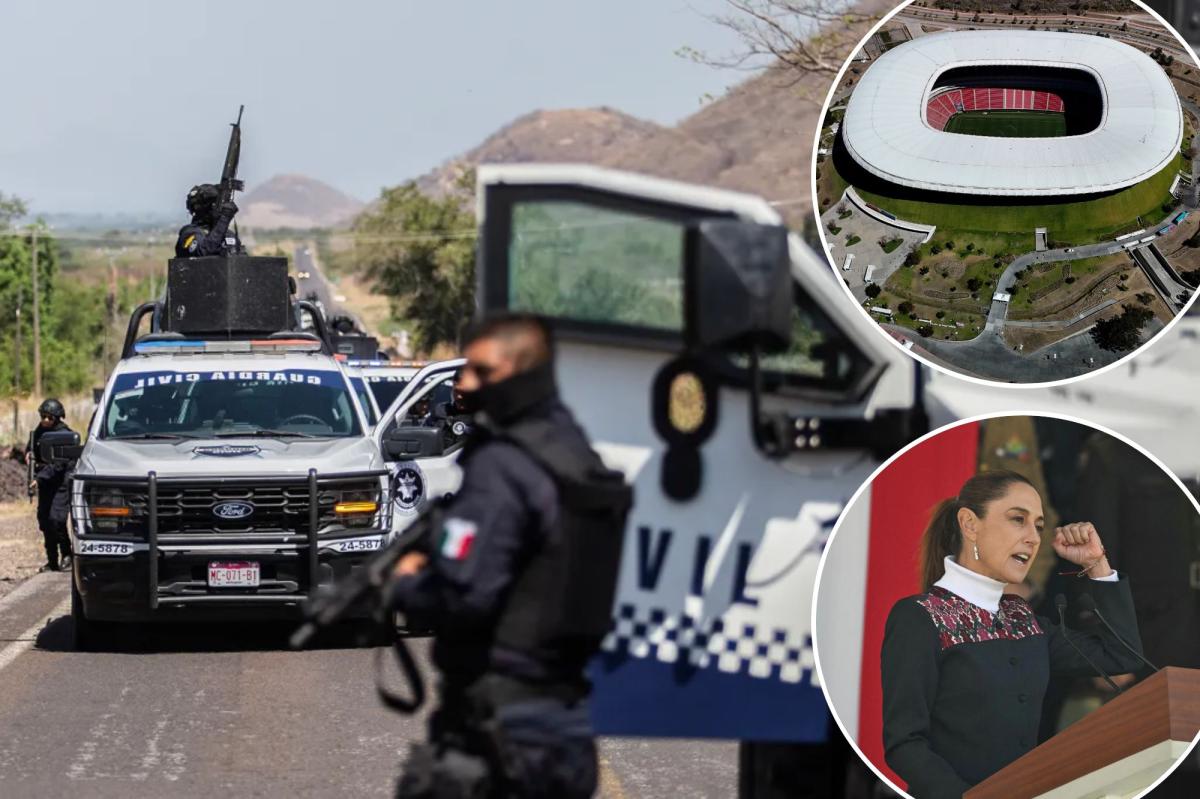
Concerns Over Guadalajara’s Safety Amid FIFA World Cup Preparations
Guadalajara, Mexico— As Guadalajara gears up to host matches for the upcoming FIFA World Cup, local residents are expressing deep concerns over safety in the wake of recent violence linked to cartel activity. The city, set to welcome a global audience, is currently grappling with a surge in violence following the military’s recent operation against a major drug cartel.
Surge in Violence Raises Questions
Hugo Alejandro Pérez, a local restaurant owner, voiced his doubts about the city’s readiness to host such an international event. "I don’t think they should host the World Cup here," he stated. "We have so many problems, and they want to invest in the World Cup? With all the violence, it’s not a good idea." His concerns reflect a broader sentiment among residents who worry about the implications of hosting the tournament amidst escalating violence.
Recent Incidents of Violence
- Gunfire and Explosions: Residents have reported gunfire and explosions just outside their homes during cartel skirmishes.
- Cartel Violence: The area has been a hotspot for cartel-related violence, particularly following the military’s operation against the Jalisco New Generation Cartel (CJNG), which led to approximately 70 fatalities.
The military’s recent operation targeted Nemesio Oseguera Cervantes, known as "El Mencho," a notorious cartel leader whose death has sparked fears of increased internal conflict among criminal groups.
Government Reassurances
Amid rising concerns, Mexican officials insist that the World Cup will proceed without disruption. President Claudia Sheinbaum reassured the public during a recent briefing, declaring, “Every guarantee” would be provided for the fans attending the tournament in Jalisco. Additionally, the Governor of Jalisco, Jesús Pablo Lemus, confirmed that local FIFA officials are committed to keeping the current venues intact.
Key Statements
- President Claudia Sheinbaum: "There is no risk for fans coming to the tournament."
- Governor Jesús Pablo Lemus: "Absolutely no intention of removing any venues from Mexico. The three venues remain completely unchanged."
Economic Implications of the World Cup
The FIFA World Cup is projected to be a significant economic driver, potentially generating up to $3 billion for Mexico, according to the Mexican Soccer Federation. While the potential economic impact is substantial, local business owners like Pérez are skeptical about the benefits trickling down to working-class neighborhoods.
Local Business Perspectives
- Concerns on Economic Impact: Residents like Pérez worry that money from the World Cup will not reach local businesses.
- Call for Relocation: Some locals, including Pérez, suggest relocating the tournament to cities like Monterrey or Mexico City, indicating a lack of confidence in the current situation.
Safety Measures and Public Sentiment
Despite the turmoil, life in Guadalajara is returning to its normal rhythm. Many businesses reopened, and streets were bustling with activity. Security measures have been intensified, with heavily armed police and National Guard members patrolling the area.
Community Reactions
- Mixed Sentiments: While some residents express reassurance and welcome tourists, others, like Maria Dolores Aguirre, worry about the potential negative impacts on tourism.
- Tourism Concerns: Aguirre, who runs a small store in Tapalpa, fears the violence will scare away tourists, impacting her long-standing family business.
Conclusion: A Critical Crossroads
As the World Cup approaches, Guadalajara finds itself at a critical crossroads between exciting international recognition and pressing local safety concerns. While government officials maintain confidence in the city’s ability to host the tournament, the voices of residents reveal a complex landscape of hope intermingled with skepticism.
For more information on World Cup preparations and safety updates, visit the FIFA official site.
This article seeks to shed light on the complexities surrounding Guadalajara’s FIFA World Cup preparations, balancing optimism for economic growth with the crucial need for safety amid rising violence.
