

Trump’s Initiative to Transform College Sports: Athletes Join the Discussion
Focus Keyword: College Sports Reform
Introduction
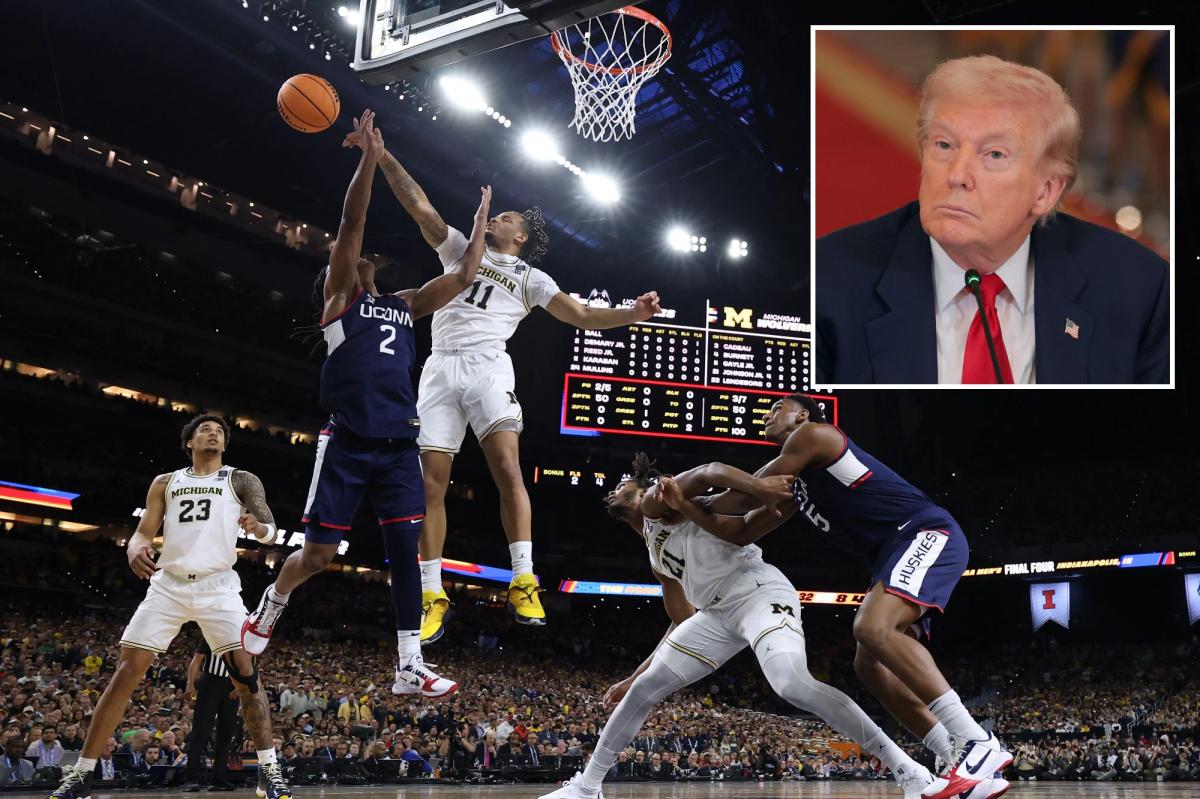
In a pivotal move aimed at reshaping the landscape of college sports, President Trump has ramped up discussions with the introduction of collegiate athletes into the conversation. This initiative is set to tackle the complex issues surrounding the business of college athletics, particularly the controversial name, image, and likeness (NIL) deals that have transformed the industry.
Key Developments
Inclusion of Student-Athletes
For the first time, 30 collegiate athletes from a diverse range of sports will partake in discussions orchestrated by the White House. This change comes after rising criticisms that previous reforms lacked input from those most affected— the athletes themselves.
- Participants: The group includes athletes from major NCAA conferences, Division II and III schools, and independent institutions like Notre Dame.
- Diversity: The representation will encompass a wide spectrum of sports, with a significant focus on including women athletes.
Leadership Team
The discussions are led by:
- Randy Levine: President of the New York Yankees
- Ron DeSantis: Governor of Florida
These co-chairs are collaboratively engaging approximately two dozen executives from both college and professional sports to address the financial dynamics of college athletics.
Urgent Concerns Addressed
The upcoming meetings are not just formalities; they arise from pressing issues within the college sports framework:
- Financial Incentives: Critics argue that the current NIL structure has led to rampant movement of players seeking better endorsement deals, undermining the integrity of college sports.
- NCAA Pressures: The NCAA recognizes the need for change, with ongoing evaluations about limiting the number of times an athlete can transfer schools.
Recent Executive Actions
Last week, Trump signed an executive order as the initial major step in this reform effort. Key components include:
- Limiting athlete eligibility and transfer opportunities.
- Ensuring funding for women’s sports and Olympic programs.
- Introducing federal regulation on collectives that support recruitment.
"This will be a big week for the roundtable," stated a source involved in the discussions. "Things are really coming together."
Economic Implications of NIL
The NIL framework allows top athletes to secure lucrative endorsement deals. Notably, Arch Manning, a quarterback from the University of Texas, has already signed a deal worth nearly $7 million. However, the influx of cash has led to several complications:
- Resources are being siphoned from academic programs.
- Smaller institutions struggle to compete for quality athletes due to insufficient funding.
Challenges Ahead
Many in the college sports community believe that while athletes deserve compensation, it should not destabilize the entire structure of collegiate athletics. Some additional challenges include the potential for:
- Legal opposition to the executive order.
- Adjustments to the NCAA’s existing regulations.
Future Directions
The insights from student-athletes will be crucial in shaping the recommendations that will eventually reach Congress, which is considering federal legislation to solidify these reforms. Anticipated developments include:
- Drafting legislation in both the House and the Senate.
- Addressing long-standing disparities in sports funding.
Conclusion
President Trump’s initiative to reform college sports is entering a critical phase with the inclusion of student-athlete voices. This approach aims to stabilize the financial landscape of collegiate athletics while ensuring fair compensation for athletes. Stay tuned for updates on this evolving story and its implications for the future of sports.
For more information on NCAA reforms, visit the NCAA official site.
