


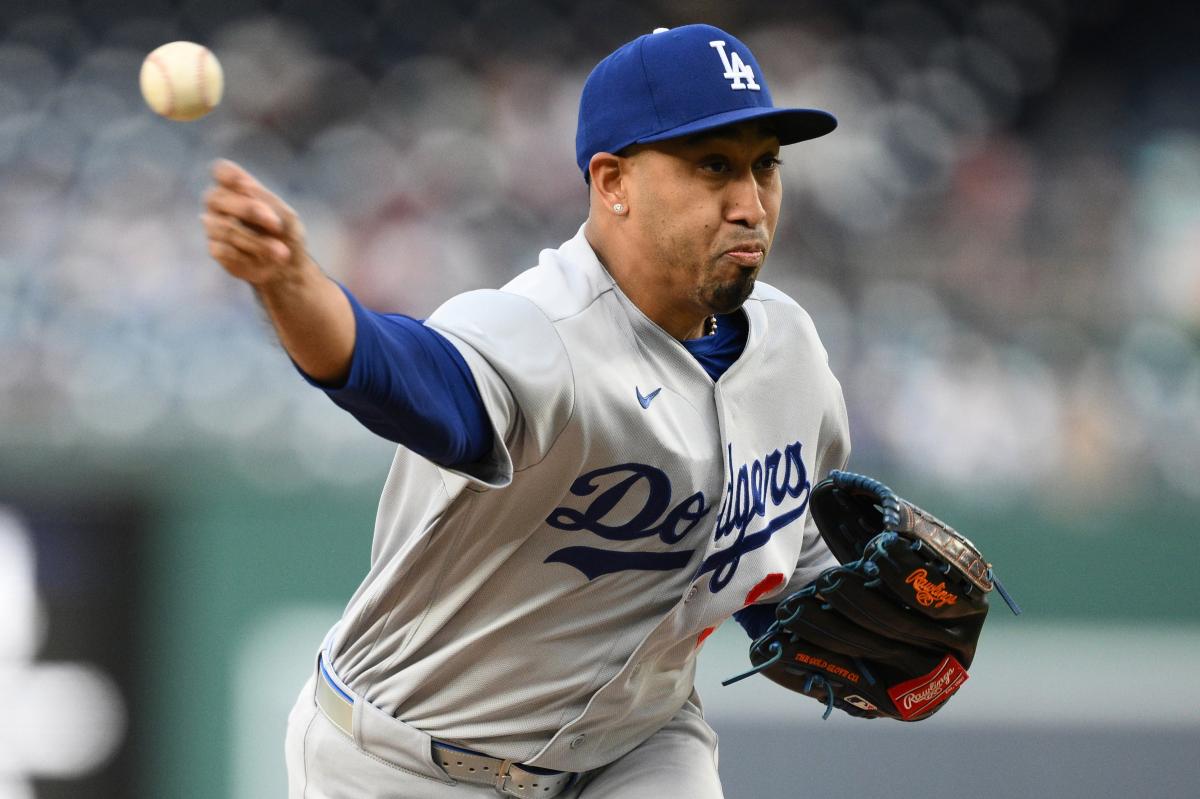
Edwin Diaz’s Struggles: What It Means for the Dodgers’ Season
Edwin Diaz, the Los Angeles Dodgers’ prized closer, faced a tumultuous outing last Sunday against the Colorado Rockies at Coors Field, leaving fans and analysts alike questioning his performance. While several factors could explain this lapse, the implications for the Dodgers, particularly as they aim for a championship, are concerning.
Factors Affecting Diaz’s Performance
-
Time Off: Diaz pitched for the first time in nine days. Extended breaks can disrupt a player’s rhythm, leading to what some interpret as "rust."
-
Coors Field Conditions: Known as a hitter’s paradise, Coors Field presents unique challenges. The high altitude and favorable conditions for hitters often lead to higher run totals and, crucially, can impact a pitcher’s performance.
- Non-Save Situation: Diaz entered the game in a non-save opportunity, which can affect a closer’s mindset and intensity. Since closing roles often depend on situational adrenaline, a lack of urgency might contribute to performance dips.
Despite these rationales, the noticeable decline in Diaz’s output raised alarms, especially given his $69 million contract and significant role in the Dodgers’ success.
Manager’s Insight
Dodgers manager Dave Roberts expressed his concern post-game:
"Today was a tough evaluation… it gets a little concerning, really."
The manager noted that while Diaz topped out at 97 mph, there was an overall drop in his fastball velocity. This leads to questions about his physical condition:
"I gotta know more," Roberts added, vowing to check on Diaz’s well-being following the game.
Performance Breakdown
In the eighth inning, Diaz failed to record even a single out. Here’s a breakdown of his troubling inning:
- First pitch: A low fastball singled by Willi Castro.
- Walk: A five-pitch walk to Kyle Karros, with all pitches missed by a wide margin.
- Bunt single: Loading the bases led to significant pressure on Diaz.
- Two-Run Single: A two-run single from Edouard Julien capped off a frustrating inning for the Dodgers.
Notably, Diaz’s first-pitch fastball to Julien registered at just 92.8 mph.
Robert’s interpretation of Diaz’s struggle was straightforward:
"Just didn’t have any command and the velocity was down… There might have been some adrenaline — or lack thereof — that played into it."
Health Concerns
Diaz’s performance raises health considerations. He previously struggled with knee discomfort, stemming from an injury during the 2023 World Baseball Classic, which required surgery.
- Previous Blown Save: Against the Texas Rangers on April 10, he also faced issues, linking the performance to his knee troubles.
- Current Vigilance: The Dodgers must monitor Diaz closely to ascertain if ongoing issues resonate from previous injuries.
The Bigger Picture
The Dodgers are at a crucial point in the season, and Diaz’s role is pivotal. Here’s why his slump could shape the team’s trajectory:
- Depth in Bullpen: An erratic Diaz affects the reliability of the bullpen.
- Potential Replacements: While replacing him isn’t warranted yet, discussions may arise if poor performance continues.
Future Implications
The Dodgers invested heavily in Diaz based on his past performance, expecting him to be a cornerstone in their bullpen:
-
Track Record Risk: Historically, teams like the Dodgers have navigated the risks of high-priced relievers, as seen with Kenley Jansen’s contract.
- Current ERA: After Sunday’s game, Diaz’s ERA soared from 6.00 to 10.50, raising eyebrows among fans and analysts.
Conclusion
Two rough outings don’t necessitate drastic changes; however, they serve as alerts for the Dodgers. Close monitoring of Edwin Diaz’s condition and performance is essential to avoid potential turbulence in the rest of the season.
The Dodgers remain hopeful Diaz can return to form, but consistent struggles may lead them to reassess their options.
For ongoing updates on player health and team performance, follow the latest coverage on ESPN and MLB.com.
Stay tuned for more insights into the Dodgers’ quest for another title.
