


Democratic Victory in Utah Redistricting Battles: A New Congressional Map
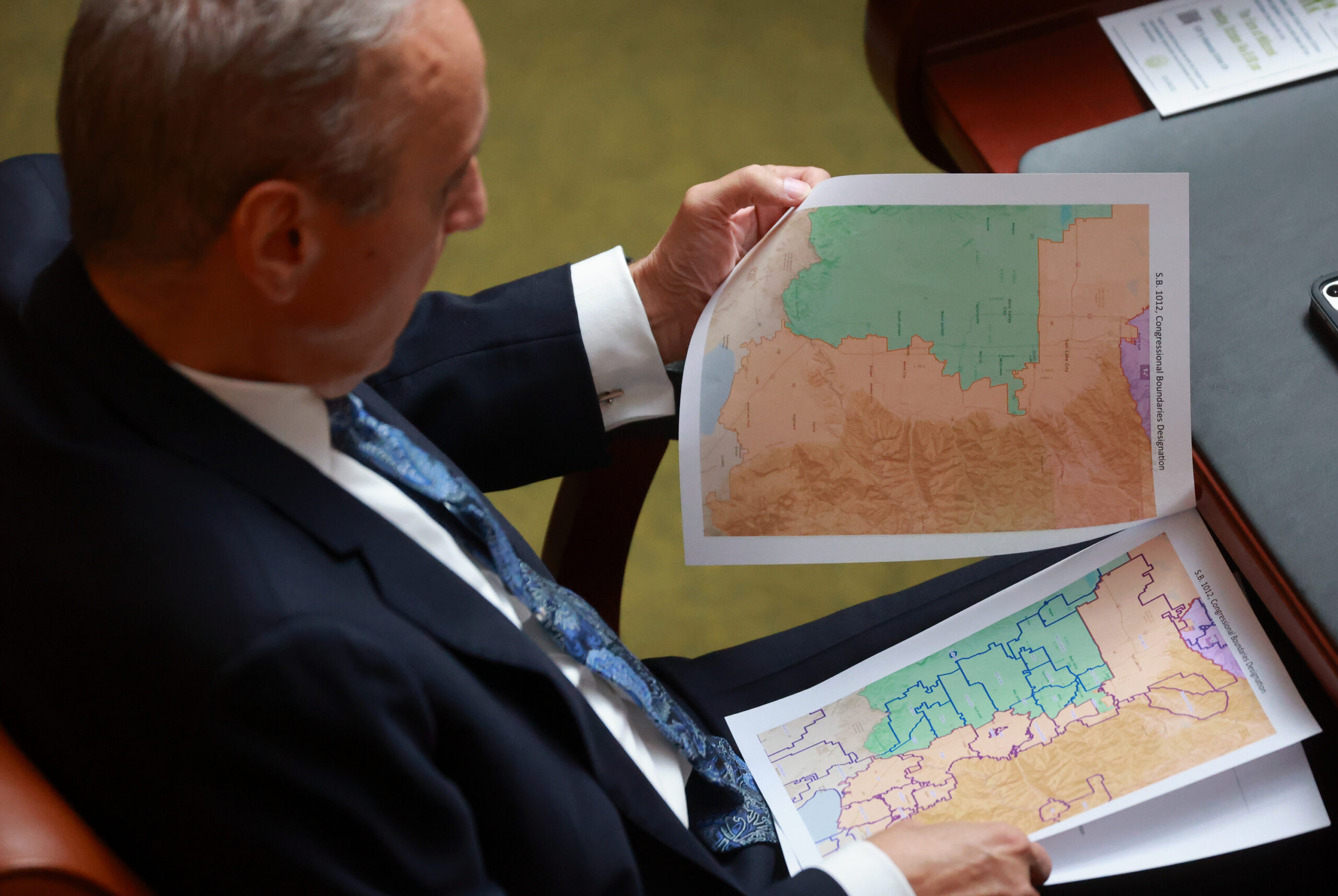
A recent ruling has reshaped Utah’s political landscape, granting Democrats a significant advantage in the ongoing redistricting battles across the United States. A state judge has ordered the implementation of a new congressional map, establishing a robust Democratic stronghold within the state.
The New Map: Centered in Salt Lake County
The latest congressional map creates a solidly blue district centered in Salt Lake County, ensuring that Democrats secure a seat that was previously uncertain. This development counters the broader trend of redistricting efforts in several Republican-led states, diminishing the overall impact of partisan map drawing.
Background on Redistricting in the U.S.
The redistricting fight intensified this summer following actions by various states:
- Texas: Governor Greg Abbott, along with the Justice Department, proposed a new map that could eliminate five Democratic seats.
- California: In response, California Democrats added their own redistricting measures.
- Other States: Republican-led states like Missouri, Ohio, and North Carolina have also initiated redistricting efforts in preparation for the upcoming 2026 midterms.
The Legal Challenge in Utah
The Utah redistricting case arose from a lawsuit where plaintiffs argued that the state legislature was drawing maps with explicit partisan motives, undermining the independent redistricting commission created by voters in 2018. This commission was intended to prevent gerrymandering.
Key Points
- Proposition 4: This ballot initiative established the independent commission, aiming to combat gerrymandering.
- Judicial Findings: The Utah Supreme Court previously ruled that attempts to weaken the commission were in violation of this initiative.
Judge Dianna Gibson’s Ruling
In a landmark decision, Judge Dianna Gibson stated that the current congressional map—featuring four Republican-held districts—was a violation of the independent redistricting law.
- Proposed Changes: The judge instructed the Republican-led legislature to submit a new map and chose from multiple proposals, including those submitted by plaintiffs.
Rejection of Map C
Judge Gibson’s order rejected "Map C", which, despite creating at least one district that Vice President Kamala Harris could have narrowly won in the last elections, failed to meet the required standards.
- Significant Findings:
- Map C was drawn using partisan political data.
- The proposed map favored Republicans, undermining Democrats.
The different maps assessed by the judge resulted in a new configuration that could see Democrats winning by a considerable margin—nearly 25 points in the newly centered Salt Lake County district.
Quotes from Judge Gibson
In her ruling, Judge Gibson emphasized:
“Map C fails in many ways to comply with Proposition 4. It does not abide by traditional redistricting criteria ‘to the greatest extent practicable’.”
This statement highlights the commitment to protecting voters’ rights and maintaining fair representation.
Implications for the Future
The approved map will likely be utilized in upcoming elections, as the Utah Supreme Court has indicated it will not hear any appeals regarding this ruling. Last year, after reviewing an appeal tied to Judge Gibson’s decisions, the court unanimously reaffirmed the importance of the independent redistricting initiative, stating:
“When Utahns exercise their right to reform the government through a citizen initiative, their exercise of these rights is protected from government infringement.”
Looking Ahead: Possible Changes in Other States
As attention turns to the remaining states poised for redistricting before the 2026 midterms, Indiana and Virginia are key battlegrounds:
- Indiana: The GOP may potentially gain two congressional seats.
- Virginia: Democrats are strategizing to eliminate at least two Republican-held seats, with the possibility of flipping up to four.
Conclusion
The recent ruling in Utah represents a significant win for Democrats in a climate marked by intense partisan redistricting wars. With the new congressional map in place, the balance of power is tipped, not only within Utah but potentially affecting broader national dynamics as the 2026 midterms approach.
For continued updates on redistricting and political shifts, follow sources like The New York Times and Politico.
