


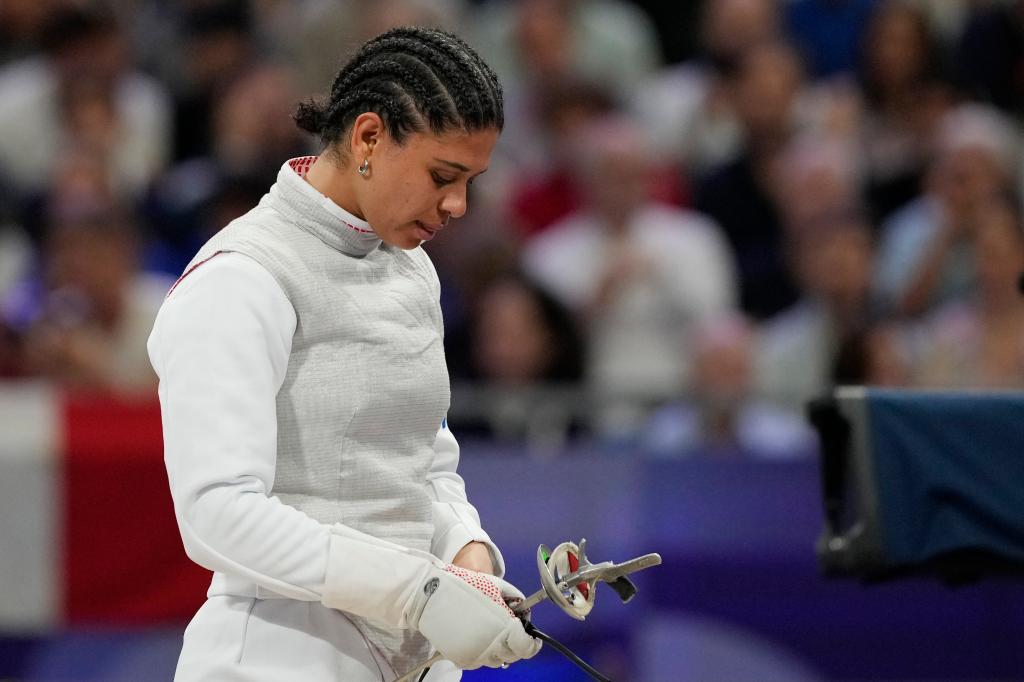
Ysaora Thibus Cleared of Doping Charges: Kissing Contamination Explained
In a surprising twist in the world of sports, Ysaora Thibus, a 33-year-old French Olympic fencer, has been exonerated from doping charges after the Court of Arbitration for Sport (CAS) found that the substance in her system came from kissing her former partner.
Background on the Case
Initially suspended by the International Testing Agency in early 2024, Thibus faced allegations of using ostarine, a selective androgen receptor modulator (SARM) that promotes muscle and bone growth. The test results from the 2024 Challenge International de Paris flagged the presence of this prohibited substance, putting her competitive career on the line.
What is Ostarine?
- Type: Selective androgen receptor modulator (SARM)
- Effects: Enhances muscle and bone growth
- Status: Banned by the World Anti-Doping Agency (WADA)
Key Findings from the CAS
Contamination Source
The CAS panel’s investigation revealed that:
- Thibus’s former partner had been taking ostarine starting January 5, 2024.
- A significant amount of ostarine could remain in saliva, enough to contaminate Thibus through kissing.
- This contamination occurred over a nine-day period, which had a cumulative effect.
In their ruling, CAS acknowledged that Thibus did not knowingly ingest the substance. They concluded, “The Panel excluded that Ms. Thibus intentionally ingested the ostarine in addition to being contaminated.”
Significant Outcomes
- Initial Competition: After being cleared, Thibus competed at the 2024 Paris Olympic Games, finishing fifth in the team foil event and 28th in the individual foil event.
- WADA Appeal: Following the CAS ruling, WADA appealed the decision, disputing Thibus’s kissing argument and seeking a four-year ban.
Legal Implications
The CAS hearing took place in Switzerland in March, where both Thibus and WADA presented their cases. Ultimately, CAS ruled that Thibus bore no fault or negligence, reinforcing the notion that athletes should not be penalized for inadvertent contamination.
Historical Context
Thibus is not the only athlete to draw upon a similar defense. In 2009, tennis player Richard Gasquet successfully argued that he had unintentionally ingested cocaine through kissing a woman at a nightclub, leading to the dismissal of his doping case.
Additional Details
- Thibus’s Background: A silver medalist at the Tokyo 2021 Olympics, Thibus has had a distinguished career in fencing. Her story highlights the unique and sometimes bizarre circumstances surrounding doping violations in sports.
- Expert Opinions: Experts have often debated the reliability of current doping tests, particularly when it comes to determining intent and contamination.
Conclusion
Ysaora Thibus’s case brings to light critical issues regarding doping regulations and the impact of unintentional contamination in sports. Her experience serves as a reminder for athletes to remain vigilant about their surroundings, even in personal relationships.
For more on the latest in doping regulations and athlete rights, visit WADA’s official website for current policies and news updates.
