


Video at the bottom!
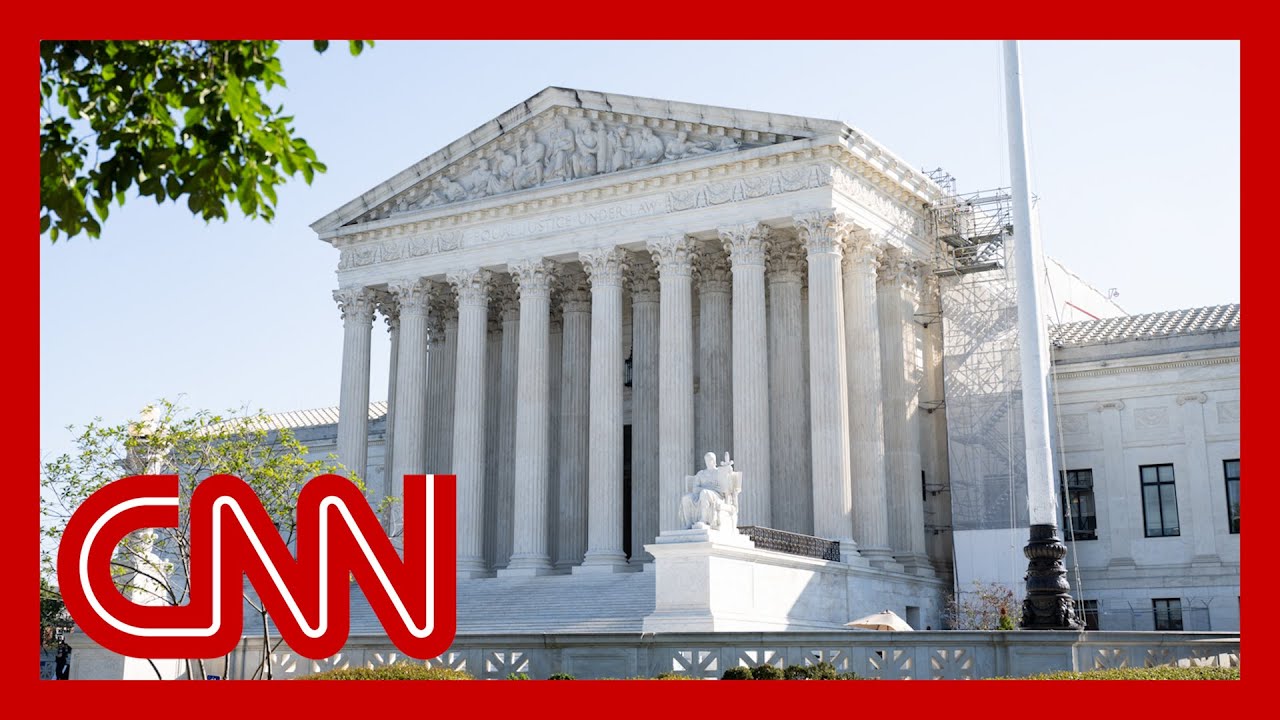
A recent ruling by the U.S. Supreme Court grants the Trump administration the authority to dismantle deportation protections for approximately 500,000 immigrants from Cuba, Haiti, Nicaragua, and Venezuela. This decision marks the second instance in a month where the Supreme Court intervened early in a case, allowing the administration to proceed with the rollback of critical protections that these migrants had been granted during the Biden administration.
The humanitarian protections in question have historical roots going back to the 1950s. However, for this demographic, these rights are now officially lifted. Lower courts will continue to consider the merits of the case, but the immediate effect is a green light for the Trump administration to initiate deportations. Earlier this month, a similar situation arose concerning Venezuelans facing a separate temporary protected status case.
Importantly, the Supreme Court’s order—which was unsigned and lacked an explanation—saw dissent from only two justices, Sonia Sotomayor and Ketanji Brown Jackson, indicating a significant alignment favoring the Trump administration’s immigration stance. The administration’s broad powers over immigration law are under scrutiny concerning the rapidity of implementation and whether proper legal procedures were followed.
The ruling has ignited discussions about the immigration policies that have become a central issue in American politics. A White House deputy chief of staff articulated the view that district court judges should not veto the president’s policies geared towards immigration, arguing that the issue of deportation has been extensively litigated over the past decade.
As for the impacted immigrants, many had utilized the humanitarian paroles to arrive in the U.S. and may have sought other forms of immigration relief. While the Supreme Court’s decision allows for an end to these protections, it does not signify a final ruling, as the legal battle continues in lower courts.
Tensions surrounding immigration have intensified, with the Biden administration facing pressure to enforce stricter deportation measures. Reports indicate that the White House is aiming to increase arrests significantly, with a goal of deporting a million individuals annually. This looming possibility raises concerns for those who have lost their protected status, leaving them vulnerable to potential deportation and further complicating the already contentious immigration landscape in the U.S.
