


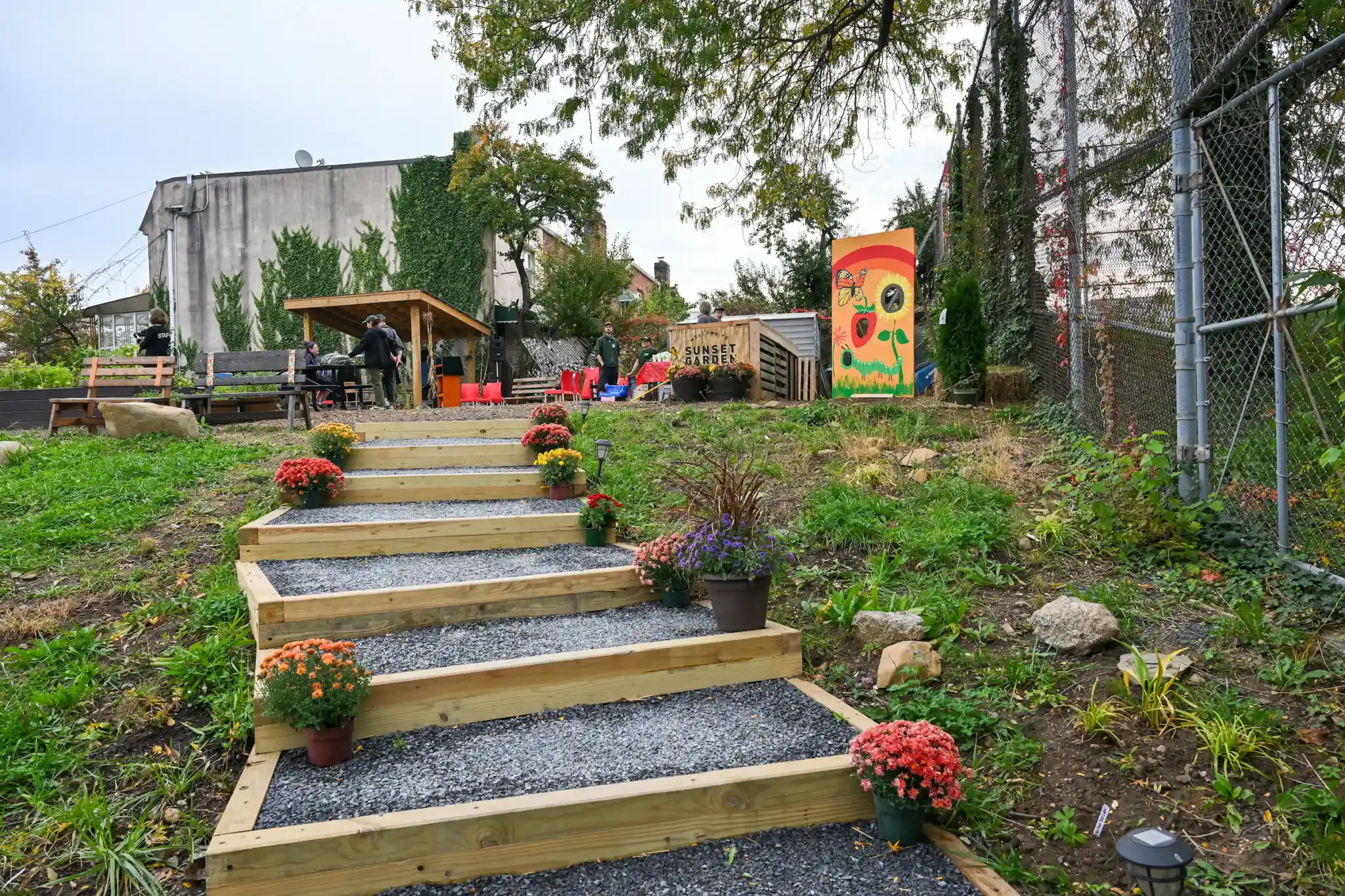
Sunset Community Garden in Ridgewood, Queens: Fighting for Its Future Amid Controversy
A Community Divided Over Zionism and Values
The Sunset Community Garden, located in Ridgewood, Queens, is currently embroiled in a fierce conflict with the New York City Parks Department over its membership policies. Facing eviction for upholding a strict stance against Zionist ideologies, the garden’s organizers refuse to accept this outcome without a struggle.
Legal Battle Ensues
In May, the Parks Department revoked the license of Sunset Community Garden after determining that its membership criteria violated city regulations. The garden requires members to sign a “statement of values” that explicitly condemns not only Zionism but also homophobia, transphobia, and other forms of discrimination.
Temporary Restraining Order Granted
This week, the garden’s leadership secured a temporary restraining order against their eviction, allowing them to remain on their plot of land until a court hearing scheduled for July 17. This ruling has been described by garden leaders as “a lifeline for our community.” However, it’s essential to note that such orders typically preserve the status quo and do not indicate the court’s stance on the merits of either side’s arguments.
Parks Department’s Response
The Parks Department reacted to the garden’s legal maneuver by criticizing its continued refusal to comply with standards set for community gardens. A spokesperson noted, “Our goal has always been to ensure that GreenThumb community gardens are managed responsibly and remain open and welcoming for everyone, regardless of their background.”
Community Action and Support
In a bid to rally public support, the Sunset Community Garden has initiated a Change.org petition urging the community to “demand justice and the end to the wrongful termination of our license agreement.” Garden organizers believe they have been unfairly targeted by city officials for promoting values such as honoring trans legacies and fighting against hateful rhetoric.
The Reasons Behind the Petition
The petition emphasizes the critical role that the garden plays for various community groups, including:
- Seniors
- Immigrants
- Trans and Queer individuals
- Trauma survivors
- Low-income families
Historical Context
The Sunset Community Garden first gained attention last year when complaints arose from local residents regarding its perceived anti-Israel sentiment, which some claimed fostered a hostile environment for Jewish and Israeli community members.
In April, city officials issued a notification to the garden stating it was violating regulations by demanding that members affirm specific political views as a condition of membership, thus introducing litmus tests that are not permitted under city guidelines.
Legal Framework for Community Gardens
Community gardens in New York City are funded and managed under specific regulations that enforce anti-discrimination laws prohibiting exclusion based on protected characteristics such as:
- Race
- Color
- Religion
- National origin
- Gender
- Age
- Disability
- Marital status
- Sexual orientation
The garden was initially developed with public funds by the Parks Department and the nonprofit GrowNYC, and it is expected to adhere to these guidelines.
Mission and Values of Sunset Community Garden
The Sunset Community Garden promotes values that reflect a larger social justice ethos. According to their publicly accessible documentation, they support:
- Solidarity with marginalized communities globally and locally.
- A commitment to uplifting members who are oppressed under capitalism and colonialism, including those identifying as:
- Queer
- Trans
- Disabled
- Immigrant
Statements on Community Agreements
The garden emphasizes the importance of fostering an inclusive environment by encouraging members to:
- Interrupt hate behaviors: This includes recognizing and addressing “homophobic, transphobic, sexist, ableist, fatphobic, xenophobic, Zionist, antisemitic, nationalist, and/or racist” ideologies.
- Cultivate a culture of consent: Members are advised to seek permission before discussing personal topics, fostering a caring community atmosphere.
Conclusion
As the legal dispute unfolds, the future of the Sunset Community Garden remains uncertain. This situation highlights the broader tensions surrounding community identity and political ideologies in urban spaces. For more information on similar community initiatives, visit NYC Parks Department and GrowNYC.
Stay tuned for updates on the upcoming court hearing, which is set to determine the garden’s fate and the implications of their unique membership policies on community inclusivity.
