


Celebrating Progress: The WNBA’s Collective Bargaining Agreement and Future Leadership
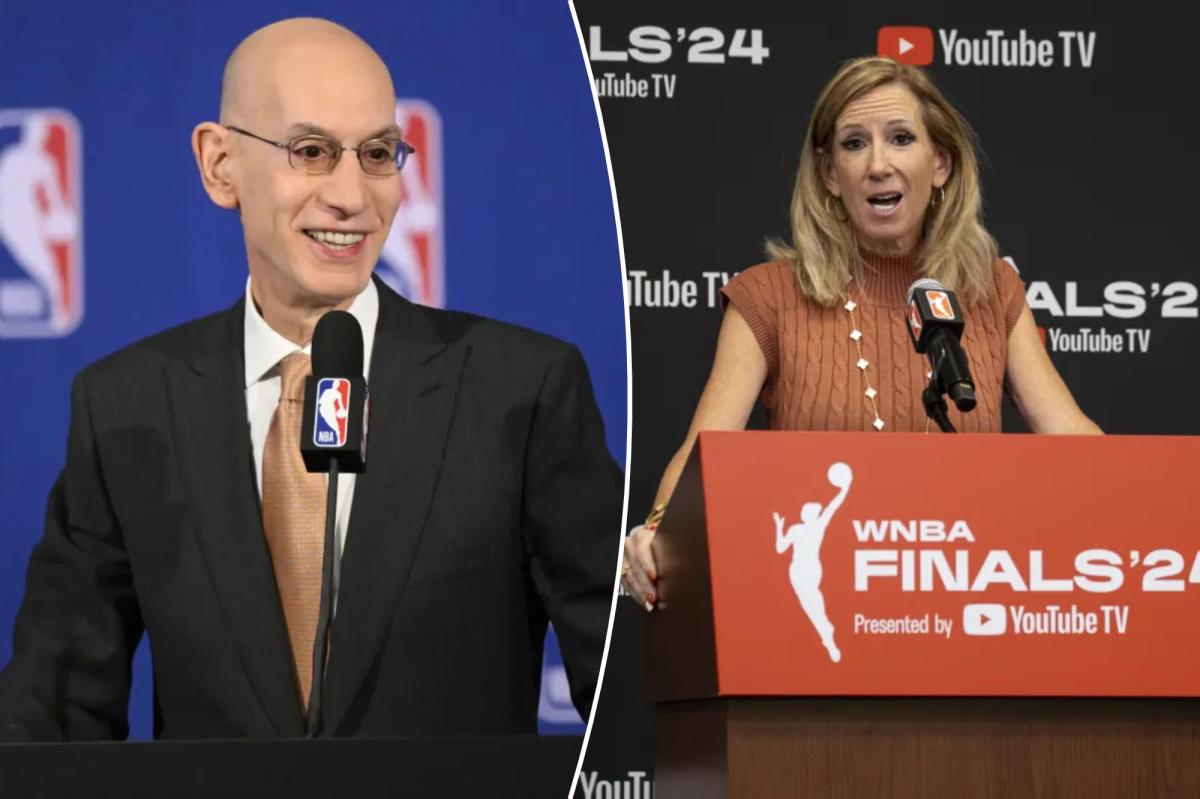
NBA Commissioner Adam Silver recently praised the newly ratified collective bargaining agreement (CBA) in the WNBA, hailing it as a “fair outcome” for both players and management. This marks a significant milestone for the league, especially considering the challenges faced during prolonged negotiations.
A Transformational Collective Bargaining Agreement
The recently finalized CBA, which was approved earlier this week, introduces a salary system linked to revenue growth for the very first time in league history. Key features of the agreement include:
- Improved Salary Structures: Enhanced salaries aligned with the league’s financial growth.
- Player Benefits: Better healthcare and housing provisions.
- Team Facility Standards: Implementation of baseline standards for team facilities.
- Retirement Benefits: More robust retirement options for players.
Silver noted the satisfaction among stakeholders, stating, “People were extremely happy” with the outcome of the intense eight-day bargaining sessions that successfully concluded before any disruption to the 2026 season.
Uncertainty Surrounds Engelbert’s Future
Despite the successful negotiations, questions loom over WNBA Commissioner Cathy Engelbert’s long-term job security. When asked about her position post-2026, Silver remarked, “We haven’t had those discussions yet with the WNBA board,” but he emphasized, “Cathy has done a fantastic job since she’s come to the WNBA. Obviously, you could see that in the results.”
Engelbert became the WNBA’s first commissioner in 2019 and has led the league through two pivotal CBA negotiations and the pandemic-affected 2020 season. Her leadership has corresponded with a surge in talent within the league, including stars like Caitlin Clark, Angel Reese, and Paige Bueckers.
Challenges in Engelbert’s Tenure
Despite her achievements, Engelbert has faced criticism, particularly amidst contentious labor negotiations that lasted more than 17 months. Notably, WNBA player Napheesa Collier publicly criticized Engelbert, labeling the league’s leadership as the “worst leadership in the world.” Collier argued that the real threat to the league goes beyond financial struggles, citing a lack of accountability at the upper echelons.
The Impact of Engelbert’s Leadership
Engelbert’s tenure has been marked by significant developments, including:
- Record Franchise Valuations: Following the 16% stake sale for $75 million in 2022, the league has experienced skyrocketing popularity.
- Increased Viewership: The WNBA has seen a rise in TV viewership and social media engagement, reaching unprecedented levels.
- Strengthened Business Operations: Engelbert’s prior success as CEO of Deloitte has enhanced the business side of the league, yet concerns about her player relationships persist.
The Road Ahead for the WNBA
With a new CBA in place, both players and management can look forward to a more stable future. Engelbert’s fate and plans remain ambiguous, as Silver acknowledged, “I haven’t had those discussions recently with Cathy even in terms of her future plans.”
Conclusion: A Promising Future for Women’s Basketball
As the WNBA continues to chart its future, the successful ratification of the CBA marks a crucial step towards sustainability and growth in women’s basketball. With strengthened player benefits and a vision for equitable salaries, the WNBA is poised to build on its recent successes.
For further details on the impact of the CBA, visit WNBA’s Official Site and stay updated on the league’s developments.
Keywords
- WNBA
- Collective Bargaining Agreement
- Cathy Engelbert
- Adam Silver
- Women’s basketball
- Player benefits
By focusing on these key elements, the WNBA aims to foster a thriving environment for players and fans alike while navigating the complexities of professional sports management.
