


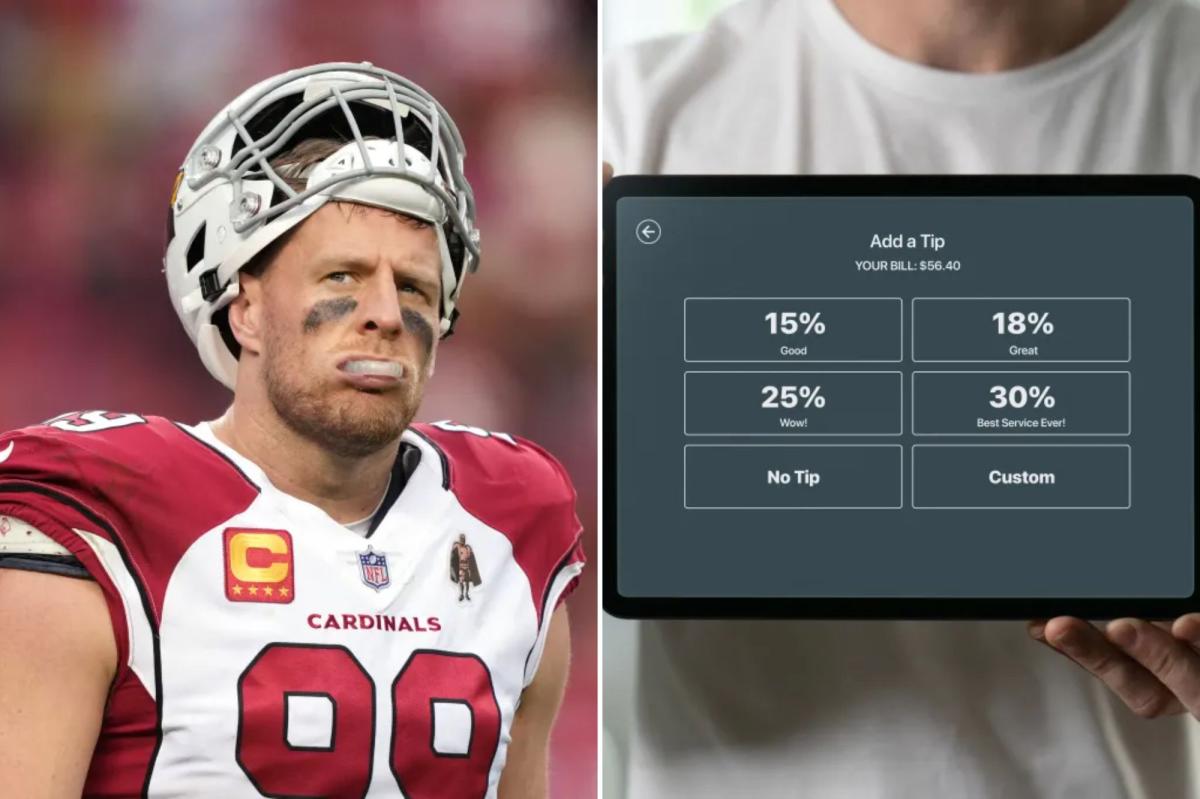
The Tipping Debate: Navigating Self-Service and Gratuity
As tipping prompts become ubiquitous in American establishments, the topic stirs confusion and frustration among consumers. Recently, former NFL star JJ Watt sparked a lively discussion on social media about the appropriateness of tipping in fully self-service scenarios.
JJ Watt’s Tipping Quandary
Watt posed a thought-provoking question on X (formerly Twitter): If you place an order at a counter, serve yourself coffee, and bring your own food to your table, should you still leave a tip when confronted with a digital prompt suggesting amounts like 20%, 25%, or even 30%?
“What’s your move?” Watt inquired, igniting a viral exchange that garnered over 15,000 comments and 4 million views.
Perspectives from Followers
Reactions varied widely:
- Support for Tipping: Some users emphasized the importance of tipping, regardless of service. One commenter stated, "I tip simply because I know that servers live in poverty,” arguing that those with financial means, like Watt, should also contribute.
- Against Mandatory Tips: Others pushed back, with responses like “100% no tip. Ever,” emphasizing that there should be no obligation to tip in non-service situations.
The American Tipping Culture
A survey by WalletHub indicates nearly 90% of Americans feel that the tipping culture has spiraled out of control, and 83% support eliminating automatic service charges. This frustration is reflected in the comments on Watt’s post, where many users expressed their discomfort with tipping prompts that demand gratuity in self-service setups.
Understanding the Tipping Etiquette
Service vs. Transaction
Etiquette expert Lisa Mirza Grotts offers insights into why tipping etiquette is being challenged:
- Gratuity Tied to Service: Grotts argues that gratuity exists to reward service. “If no service is provided, no gratuity is expected,” she stated, underscoring that self-service scenarios should not demand tips.
- Digital Prompts as Requests: She clarifies that a digital tip request is merely a suggestion, not a societal obligation. “It’s simply a system asking a question,” Grotts explains, pointing out that starting tips at 20% can be intimidating for consumers.
Cultural Shifts
The debate reflects broader societal changes concerning entitlement and meritocracy. Yonason Goldson, an expert on ethical conduct, explained:
- Original Intent of Tipping: Tipping was initially intended to reward good service, but it has become more about mandatory expectations, which can breed resentment. “When I’m forced to tip, I feel resentful and diminished,” Goldson noted.
Navigating Your Own Tipping Decisions
Whether you’re uncertain about what to do when faced with a prompt, consider these tips:
- Adjust Your Tip: For self-service situations, some have found a 10% tip or even opting for $1 to be more appropriate.
- Custom Options: If the preset percentages feel uncomfortable, use the custom option when available to choose an amount that feels fair.
Continued Conversation
As discussions around tipping evolve, it remains a personal choice for many. Some individuals believe generosity shouldn’t necessitate exemplary service. “The service industry is hard work,” one user expressed.
Conclusion
The tipping debate is emblematic of changing cultural norms regarding service and gratuity in America. As consumers continue to grapple with digital prompts and self-service scenarios, the dialogue surrounding tipping will likely persist. Understanding the context and intent behind gratuity can help individuals navigate these often-confusing choices.
For more insights into the tipping culture and guidance on gratuity etiquette, explore resources on Tipping Customs in 2023 or read about Service Industry Challenges to gain a deeper understanding of the evolving landscape.
