


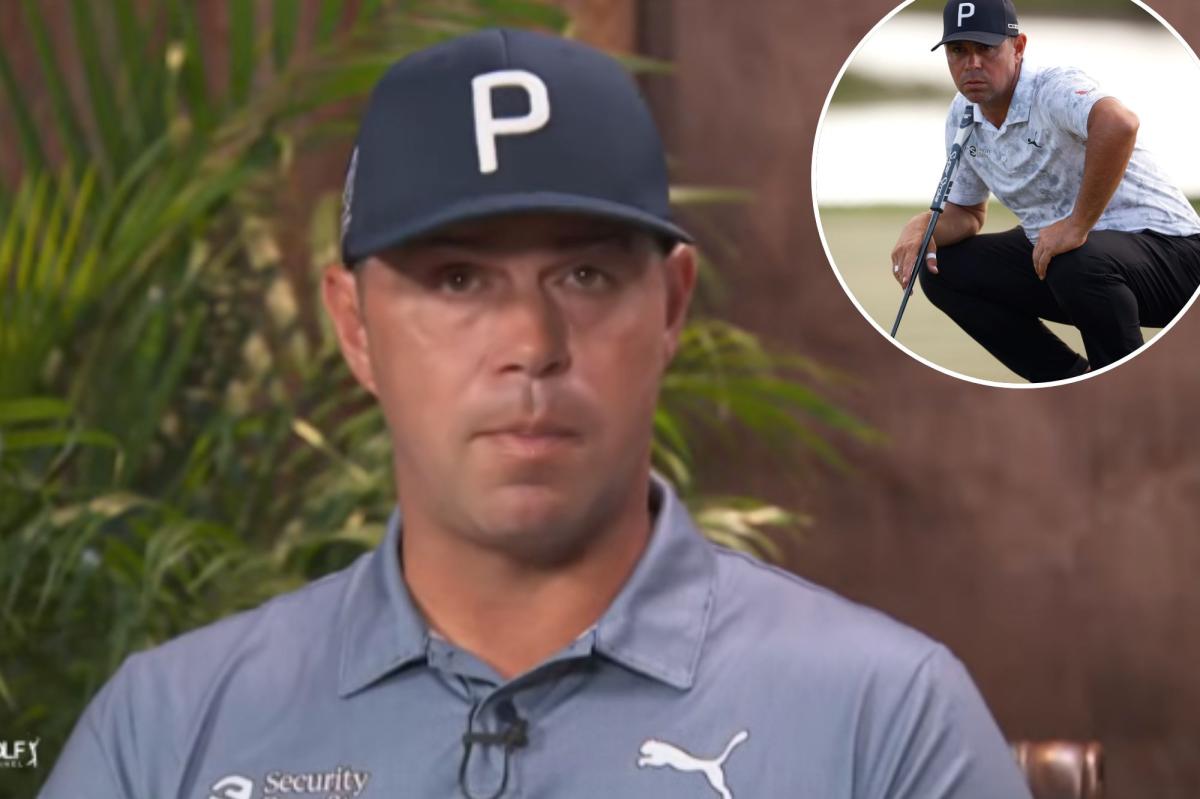
Gary Woodland Opens Up About His Battle with PTSD Following Brain Surgery
In a heartfelt interview broadcasted on the Golf Channel, professional golfer Gary Woodland revealed his ongoing struggle with post-traumatic stress disorder (PTSD) resulting from a life-altering brain surgery he underwent in September 2023. The former U.S. Open champion stated that he can no longer expend energy hiding his emotional turmoil.
A Life-Changing Operation
Woodland’s surgery involved the removal of a brain lesion, marking a significant turning point in his life. While the operation was a success, it left Woodland grappling with severe emotional and psychological challenges, including anxiety and hyper-awareness, symptoms commonly associated with neurological trauma.
“I can’t waste energy anymore hiding this,” Woodland expressed during the interview. “I’m blessed with a lot of support out here on the Tour.”
The Toll of PTSD
Woodland described the overwhelming sense of returning to professional golf post-surgery. Though he received immense encouragement from fans and peers, internally, he felt as though he was “living a lie.” This juxtaposition of external support and internal struggle reflects the complex nature of mental health issues, particularly for athletes.
- Signs and Symptoms of PTSD:
- Anxiety
- Hyper-awareness
- Emotional numbness
Seeking Support and Encouraging Others
A significant motive behind Woodland’s candor about his mental health is his desire to inspire others facing similar struggles, especially veterans dealing with PTSD. He acknowledged the importance of support systems, saying:
“I’ve talked to veterans, and one thing I’ve heard from multiple people is you can’t do this on your own, no matter how strong you think you are.”
Recognizing the Need for Help
Woodland emphasizes that acknowledging his challenges is just the first step. He stated:
“I realize now I’ve got to help myself first – and hopefully this is the first step in doing that.”
A Devastating Experience at the FedExCup
The emotional difficulties Woodland faces became particularly evident during a recent FedExCup event. A momentary scare from a walking scorer led to disorientation and blurred vision, making it difficult for him to concentrate and perform.
He recalled:
“Next thing you know, I couldn’t remember what I was doing… I went into every bathroom to cry the rest of the day.”
Coping Mechanisms and Changes in Protocol
Despite these challenges, Woodland is determined to continue competing. He has received support from the PGA Tour, which has implemented additional security measures to enhance safety and comfort for athletes like him. Moreover, Woodland’s doctors have recommended avoiding high-stress situations, highlighting the difficulty of balancing health and passion.
The Drive to Continue Playing Professional Golf
At 41, Woodland finds himself at a crossroads where he must weigh the demands of professional golf against his mental health. However, stepping away from the sport is not an option he considers.
“In an ideal world, I’m probably not playing. But in an ideal world, I don’t have this. This [playing golf] is my dream."
Conclusion
Gary Woodland’s journey serves as a powerful reminder of the complexities surrounding mental health issues, particularly in high-pressure environments like professional sports. His bravery in sharing his story helps shed light on the importance of seeking support and encourages others to take the necessary steps toward healing.
For more information on PTSD and mental health resources, visit National Alliance on Mental Illness (NAMI).
This engaging article aims to provide a clear and structured overview of Gary Woodland’s experiences with PTSD. By incorporating headings, quotes, and bulleted lists, it presents the information in an approachable manner, enhancing the reading experience while optimizing for search engines.
