


Controversy in Bobsleigh: Canada Accused of Manipulating Competition Outcome
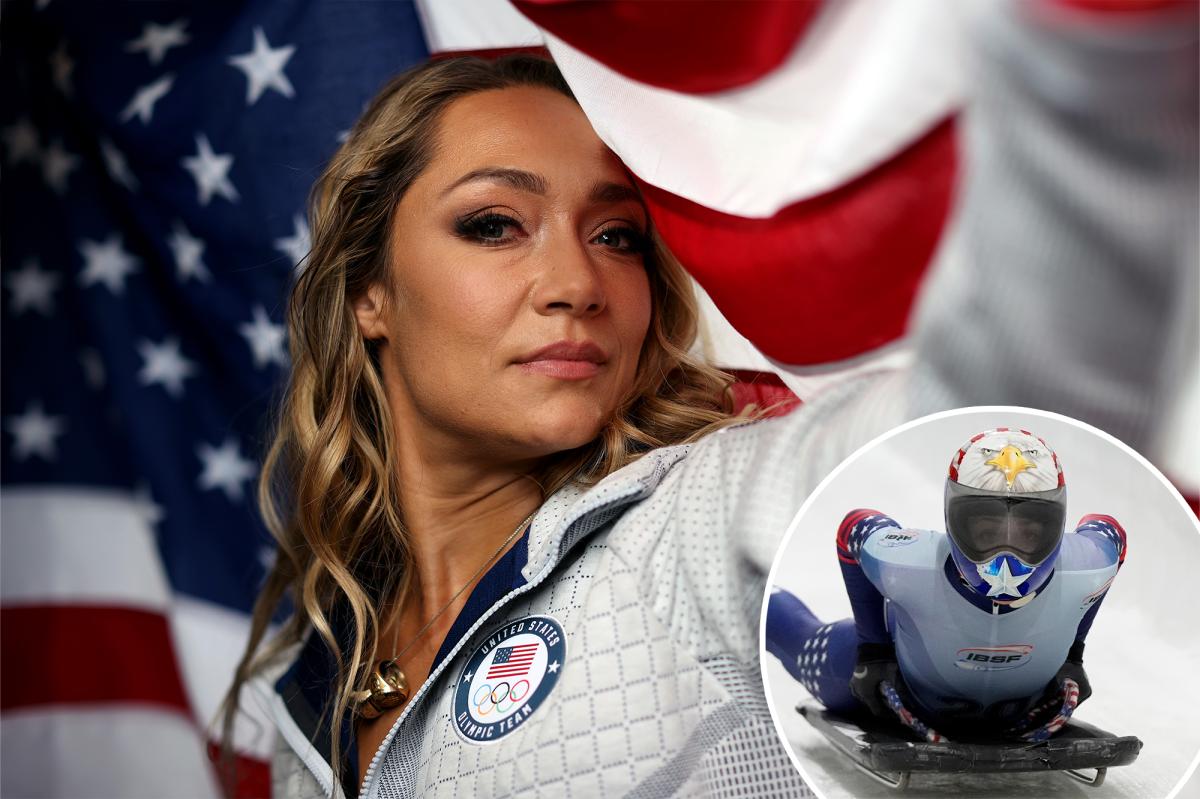
An investigation by the International Bobsleigh and Skeleton Federation (IBSF) has concluded that Canada deliberately altered the outcome of the North American Cup held in Lake Placid, New York. This shocking revelation comes at a time when U.S. Olympian Katie Uhlaender finds herself deprived of a crucial opportunity to qualify for the forthcoming Milan-Cortina Winter Games.
Allegations of Intentional Manipulation
Key Findings of the IBSF Investigation
- The IBSF determined that Canada’s withdrawal of four athletes from the North American Cup directly affected the competition’s scoring potential.
- This strategic pullout rendered it mathematically impossible for Uhlaender, a five-time Olympic participant, to garner sufficient points needed for Olympic qualification.
Impact on Uhlaender
Uhlaender, who aimed to represent the United States in her sixth Winter Olympics, faced disqualification before the competition kickstarted, solely due to Canada’s actions.
The IBSF’s official announcement stated: “The action of the Canadians was intentional and directed at reducing the points available to athletes who slid at the final Lake Placid NAC.”
Canada’s Justification for Withdrawals
Initially, Bobsleigh Canada Skeleton (BCS) defended its decision by citing concerns related to athlete health and long-term development.
- BCS claimed that the withdrawal aligned with the best interests of their program.
- However, contradicting statements from Canadian athlete Madeline Parra indicated that the withdrawal was related to point calculations to better position their team for Olympic qualifying.
“They had come over and explained to us that it would be in the best interest for the way points had worked for Jane,” Parra detailed, hinting at ulterior motives behind the withdrawal.
No Penalties Imposed
Despite the findings, the IBSF has opted not to penalize Canada or retroactively change the competition outcomes to provide Uhlaender a chance at Olympic qualification.
- The IBSF ruled, “Although the disqualification of an athlete and cancellation of results may have collateral impacts, the Olympic Movement Code does not set out standards by which event records can be changed.”
Uhlaender’s Response
In a fervent statement, Uhlaender expressed her determination to claim her rightful place in the Olympics:
“Today’s decision by the IBSF Appeals Tribunal reinforces what I, and many other athletes, have known all along… This was blatant competition manipulation, yet there have been no consequences for the coach involved.”
She is spearheading an international campaign aimed at rectifying what she considers an injustice against not just herself but all athletes affected by competition manipulation.
Support from the Global Community
Uhlaender’s fight has garnered wide-ranging support, including:
- A letter from the U.S. Olympic and Paralympic Committee (USOPC) to the International Olympic Committee (IOC) advocating for her qualification.
- Endorsements from 14 other nations, including South Korea, Belgium, and Brazil, showcasing a united front against the alleged unfair practices.
Calls to Action
- Uhlaender is appealing for a wildcard entry to the Olympics, emphasizing the themes of integrity and fairness in competition.
- She has specifically urged Vice President JD Vance, who is set to attend the Olympics, to advocate for her cause when meeting with IOC leadership.
“Doing so would protect the integrity of competition and send a powerful message that standing up for ethics matters,” Uhlaender emphasized.
Looking Ahead: ICC’s Response
In response to the USOPC’s letter, the IOC stated:
“This matter relates to the application of the IBSF’s rules and procedures… The IOC understands that IBSF has already responded to Ms. Uhlaender on this matter.”
As the situation unfolds, Uhlaender continues to rally support for fair play in the sport and seeks redress through legal channels.
Conclusion
The unfolding controversy highlights significant ethical concerns in competitive sports, demanding scrutiny and transparency. For those navigating the competitive landscape, the incident serves as a reminder of the importance of integrity and fair play in athletics.
For more detailed insights into the world of bobsleigh and the dynamics of sports competition, visit IBSF or U.S. Olympic and Paralympic Committee.
