


Controversial Interception Sparks Debate During Bills-Broncos Overtime Game
During a thrilling overtime showdown in the NFL divisional round, a controversial interception shifted the game’s momentum and reignited discussions about officiating transparency. The game, held on January 17, 2026, saw the Buffalo Bills face off against the Denver Broncos.
Key Play: The Interception Decision
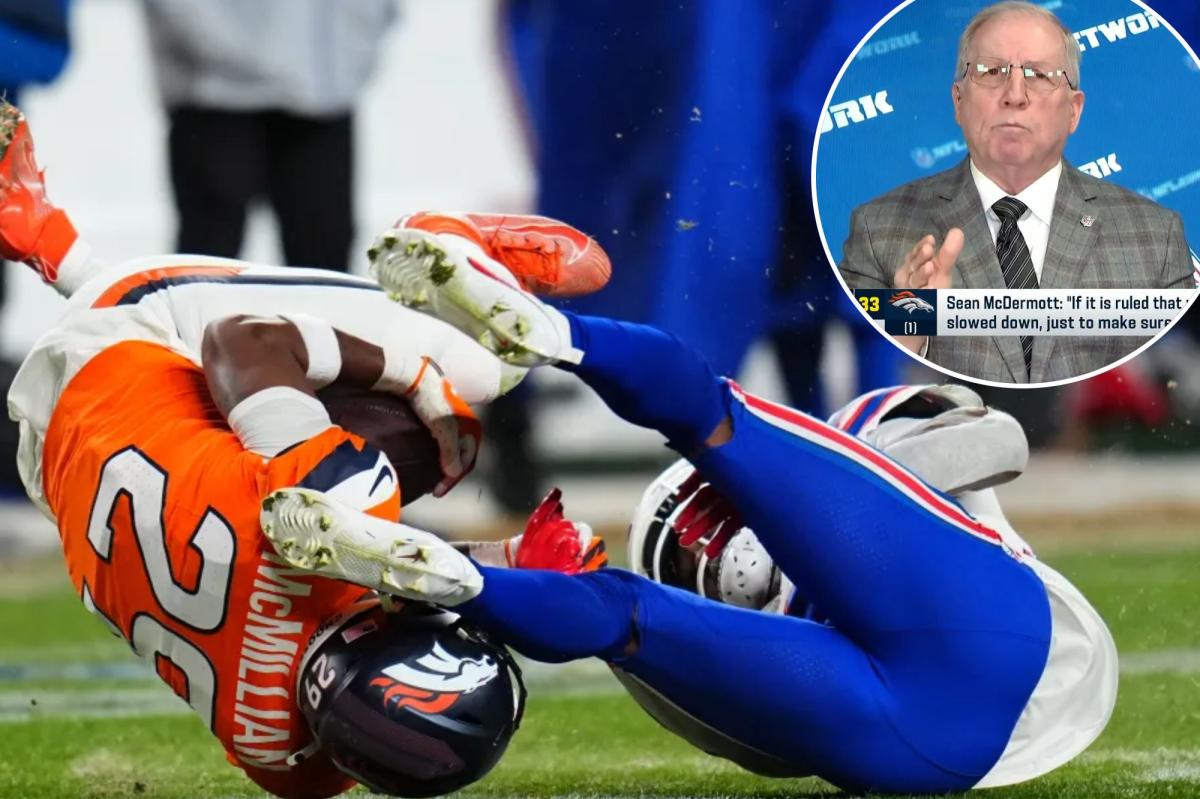
As the Bills approached a potential game-winning field goal, quarterback Josh Allen targeted wide receiver Brandin Cooks downfield. Initially seeming to secure the catch, Cooks lost possession to cornerback Ja’Quan McMillan, who claimed an interception after the ball hit the ground.
What Happened on the Field?
- Moment: Near the eight-minute mark of overtime, during a critical second-and-11 play.
- Outcome: The ruling on the field stated the pass was intercepted rather than a completed catch.
Analyst Insights: Walt Anderson Weighs In
Walt Anderson, the NFL’s rules analyst, appeared on NFL Network to address the controversy surrounding the officiating during this pivotal moment. Here are some highlights from his comments:
“Every play behind the scenes is being reviewed by multiple people… They’re looking at all these angles."
Officials’ Response and Guidelines
According to Anderson, the NFL has established guidelines that significantly influence communication during games:
- Replay Review Process: When the call on the field is under review, all available angles are analyzed to confirm or overturn the ruling.
- Speed Over Stoppage: The league aims to minimize unnecessary stoppages to keep the game flowing.
Fan Frustration and Calls for Clarity
Despite Anderson’s explanations, former head coach Steve Mariucci expressed frustration, questioning why officials, specifically referee Carl Cheffers, did not offer direct clarification to fans in attendance and at home. He stated:
“I wanted to hear from Cheffers — I didn’t want to hear from Tony Romo.”
This statement resonated with many viewers and fans alike looking for transparency in officiating.
The Aftermath of the Call
The interception allowed the Broncos to take control of the game, eventually leading to a 33-30 victory. The NFL’s officiating has often been a point of contention, with this play exemplifying the ongoing struggle for clarity and accountability.
Bills’ Response: Coach McDermott’s Frustration
Sean McDermott, the head coach of the Bills, voiced his dissatisfaction with the handling of the decision, stressing the importance of clear communication from officials during crucial moments of the game.
Understanding the Rules: What Constitutes an Interception?
Key Points:
- Possession: A player must demonstrate control of the ball, which McMillan did before it hit the turf.
- Ball on the Ground: In cases where the ball hits the ground without a player possessing it, the play is typically ruled an incomplete pass.
Expert Opinion
Anderson reiterated that multiple parties were reviewing the play in real time, confirming the interception call, and leveraging advanced technology, including the Hawk-Eye system, to ensure accuracy.
“The call on the field was that the ball was immediately loose when it hit the ground… that’s why it was an interception.”
Conclusion: Navigating NFL Officiating
The interception during the Bills-Broncos game not only changed the fate of the playoff matchup but also highlighted a crucial conversation about officiating transparency in the NFL. With fans calling for clearer communication and accountability, the league faces ongoing scrutiny regarding its decision-making processes.
For more information on NFL rules and officiating, you can refer to the NFL’s official site or read more on ESPN’s analysis of game-day decisions.
This game serves as a reminder that every call can swing the momentum in professional football, and the integrity of officiating remains vital for maintaining fan trust and engagement.
