


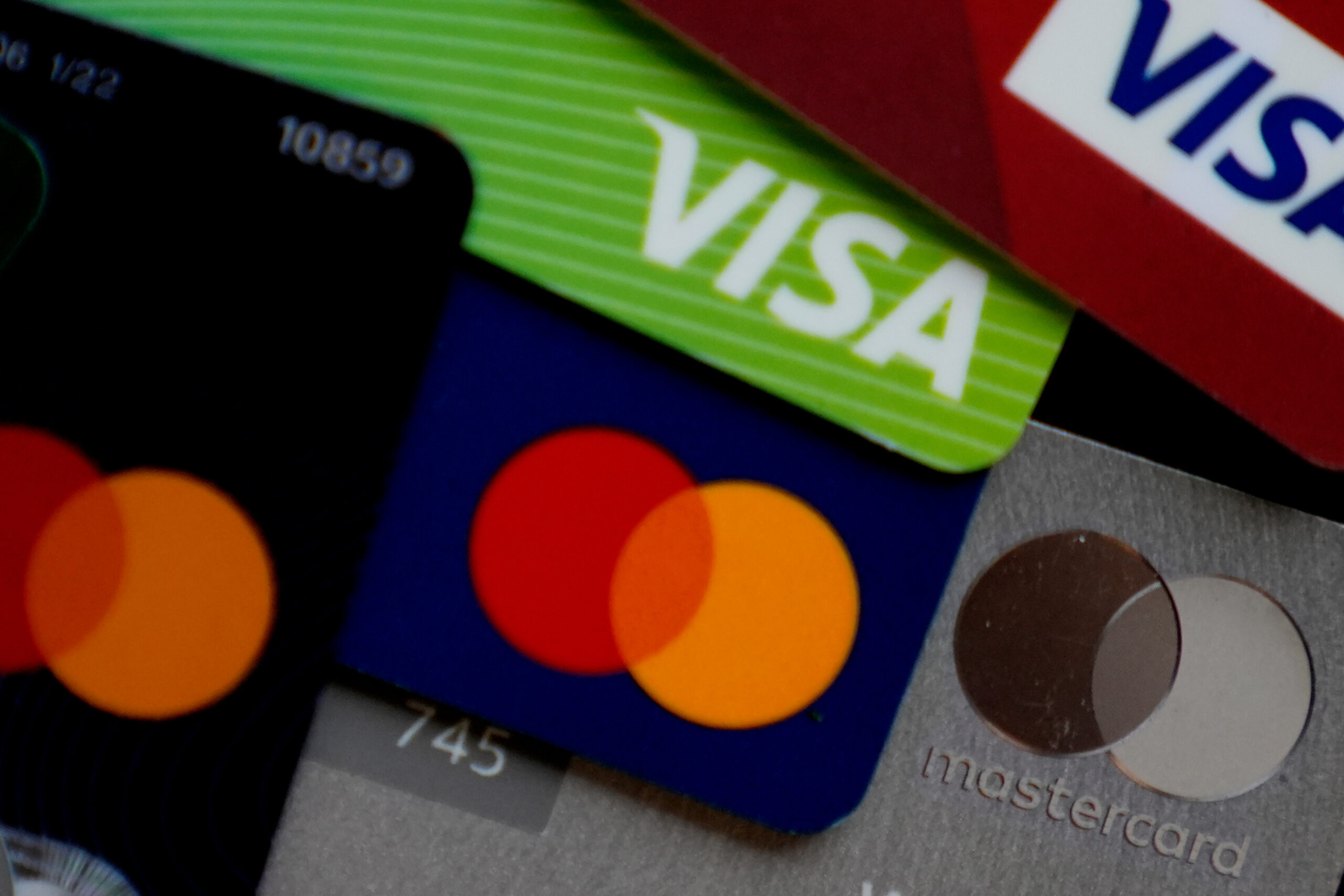
Trump Pushes for Credit Card Interest Rate Cap Amid Skepticism from Lawmakers
President Trump’s recent proposal to impose a cap on credit card interest rates at 10% has sparked significant debate on Capitol Hill, with many lawmakers expressing concern over its potential impact on credit accessibility for Americans. The president has urged lenders to comply with this rate cap by January 20, warning of possible retribution for those who fail to comply.
The Push for Affordability
In his broader agenda to make financial resources more affordable for everyday Americans, Trump is exerting pressure on various financial institutions. This includes:
- Demanding that the Federal Reserve cut interest rates.
- Encouraging corporations to refrain from purchasing single-family homes.
- Now, directing banks to lower their credit card rates.
During a call on Monday with Senator Elizabeth Warren, Trump labeled the conversation as “productive.” They reportedly discussed the proposed interest rate cap alongside Warren’s housing reform bill.
Lawmaker Reactions
Despite the apparent bipartisan dialogue with Warren, many Republican lawmakers are not as receptive to Trump’s proposal:
Speaker Mike Johnson’s Concerns
Speaker Mike Johnson voiced skepticism about the feasibility of implementing such a cap, suggesting that Trump may not have fully considered the ramifications. He stated:
“You would need legislation to do something like that, and we’d have a lot of work to build consensus around it. But you’ve gotta be very careful if you go forward with that.”
Senate Majority Leader John Thune’s Warning
Senator John Thune echoed similar sentiments, emphasizing that capping interest rates could profoundly limit credit accessibility:
“I think that would probably deprive an awful lot of people of access to credit around the country. Credit cards would probably become debit cards.”
A Libertarian Perspective
Senator Rand Paul, known for his libertarian views, articulated a different perspective during a recent podcast appearance. He argued that lenders should determine interest rates based on market dynamics and individual risk. He stated:
“By having to pay 30 percent [interest], it’s going to teach you to be a better planner the next time because you can’t keep borrowing at 30 percent.”
The Legal Landscape
Trump’s insistence on a 10% interest rate cap raises questions about his authority to enact such a sweeping change. Although he claims that lenders may face severe consequences for non-compliance, there is currently no federal law allowing the president to impose interest rate caps on credit cards.
In a statement aboard Air Force One, Trump asserted that credit card companies have “abused the public,” reinforcing his position that a cap is necessary.
The Broader Implications
The discussion surrounding credit card interest rates is not only crucial for consumer rights but also highlights the delicate balance between regulation and free-market economics. Potential effects of an interest rate cap could include:
- Reduced Lending: Fewer lending options available if credit card companies scale back their offerings.
- Market Adjustments: Possible changes in the way financial institutions operate, leading to a shift in how consumers access credit.
Why This Matters
Understanding the implications of Trump’s proposed interest rate cap is essential for all consumers. It impacts everything from individual financial planning to the long-term sustainability of lending practices in the U.S. market.
For more details on financial regulations and consumer rights, visit Consumer Financial Protection Bureau and Federal Reserve.
The conversation around capping credit card interest rates is only beginning, and its outcomes could potentially reshape the landscape of consumer credit in America. As lawmakers continue to debate this proposal, the ramifications for American consumers hang in the balance.
