


Jerome Powell Under Investigation: A Political Play?
Jerome Powell, the current chair of the Federal Reserve, is facing scrutiny as the Justice Department initiates an investigation into potential perjury charges against him. Former Federal Reserve officials and bipartisan members of Congress are vocalizing their concerns, deeming this move as a politically motivated attack by President Trump against the Federal Reserve’s independence.
Investigation Focus: Policy and Costs
The inquiry revolves around a significant renovation project at the Federal Reserve’s headquarters in Washington, D.C., specifically analyzing whether Powell misrepresented cost figures during his testimony before the Senate Banking Committee.
Key Reactions:
-
Janet Yellen, former Federal Reserve Chairwoman: Described the investigation as “extremely chilling,” warning that it threatens the independence of the central bank. She stated, “The odds that he would have lied are zero… they want him gone.”
- Joint Statement from Former Leaders: Yellen, along with several past Federal Reserve chairs and Treasury secretaries, issued a statement condemning the investigation as an “unprecedented” attempt to undermine the Fed’s authority. They emphasized the importance of monetary policy independence in maintaining stable economic conditions.
Consequences of Political Interference
The statement drawn up by former officials points out the dangers of undermining a central bank’s independence, which is vital for achieving stable prices, maximum employment, and moderate long-term interest rates. They warn that such tactics are reminiscent of governance in emerging markets characterized by weak institutions.
Notable Signatories Include:
- Ben Bernanke: Former Fed Chairman
- Alan Greenspan: Another former Fed Chairman
- Henry Paulson: Treasury Secretary under President George W. Bush
Powell’s Stance on the Investigation
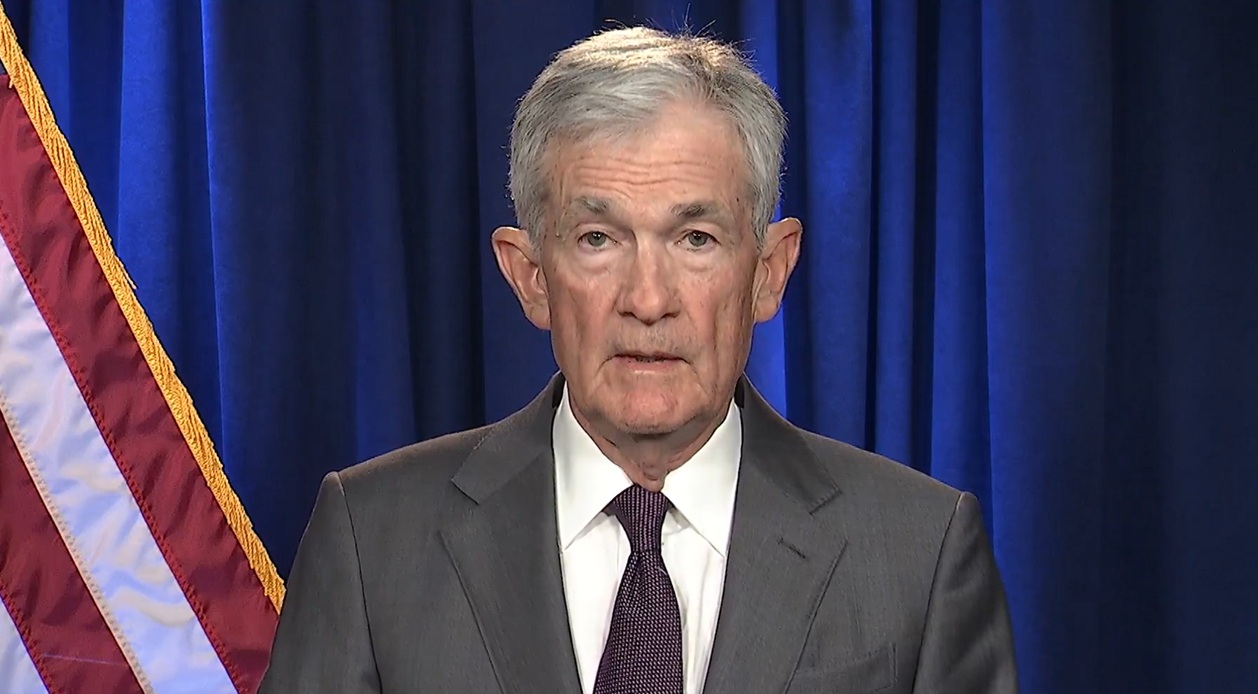
In a video released Sunday, Powell expressed his commitment to the rule of law, stating that no one, including the Fed’s Chair, is above it. However, he framed the investigation as politically charged, suggesting it is retaliation for the Federal Reserve’s refusal to heed Trump’s call for lower interest rates.
Political Reactions: Bipartisan Concerns
Several Republican lawmakers, including Senator Thom Tillis and Senator Lisa Murkowski, have voiced their concerns, highlighting the investigation’s potential implications for the Federal Reserve’s independence:
-
Senator Thom Tillis: Stated he would oppose the confirmation of any Fed nominee until the investigation is resolved, asserting that this confirms the Trump administration’s intent to undermine the Fed’s credibility.
- Senator Lisa Murkowski: Echoed Tillis’s sentiments, labeling the investigation as an act of coercion and indicating that Congress should investigate the Justice Department instead.
On the Democratic side, Senator Elizabeth Warren criticized the investigation, accusing Trump of aiming to install a “sock puppet” on the Fed board that serves his interests.
Public Opinions and Economic Implications
The political climate surrounding the Federal Reserve’s operations could have considerable implications for the U.S. economy. Observers are keenly watching as Trump’s term nears its climax, with Powell’s chairmanship set to end in May. As the president prepares to announce his nominee—potentially White House economic adviser Kevin Hassett—questions remain about the administration’s influence on Federal Reserve policy.
Summary of Key Points
- Political Concerns: Bipartisan pushback reveals a consensus on protecting the integrity and independence of the Fed.
- Public Responses: Reactions portray a divide between those defending Powell’s integrity and those accusing him of political misrepresentation.
- Future Actions: The ongoing investigation and impending discussions on Fed leadership could significantly shape U.S. monetary policy.
External Links for Additional Insight
For more on the Federal Reserve’s role in the economy, visit Investopedia’s guide on the Federal Reserve.
To understand the importance of central bank independence, check out the Brookings Institution’s analysis on this topic.
As investigations unfold, the future of U.S. monetary policy and the Federal Reserve’s role hangs in the balance, underlining the significant political undercurrents that influence economic governance.
