

The Righteous Persons Foundation: From Supporting Holocaust Survivors to Controversial Funding
Introduction
The Righteous Persons Foundation (RPF), established by filmmaker Steven Spielberg in 1995, has transitioned from its original mission of supporting Holocaust survivors to financing organizations with controversial stances on Israel. This shift raises critical questions about the impact of philanthropy in addressing complex geopolitical issues.
Background of the Righteous Persons Foundation
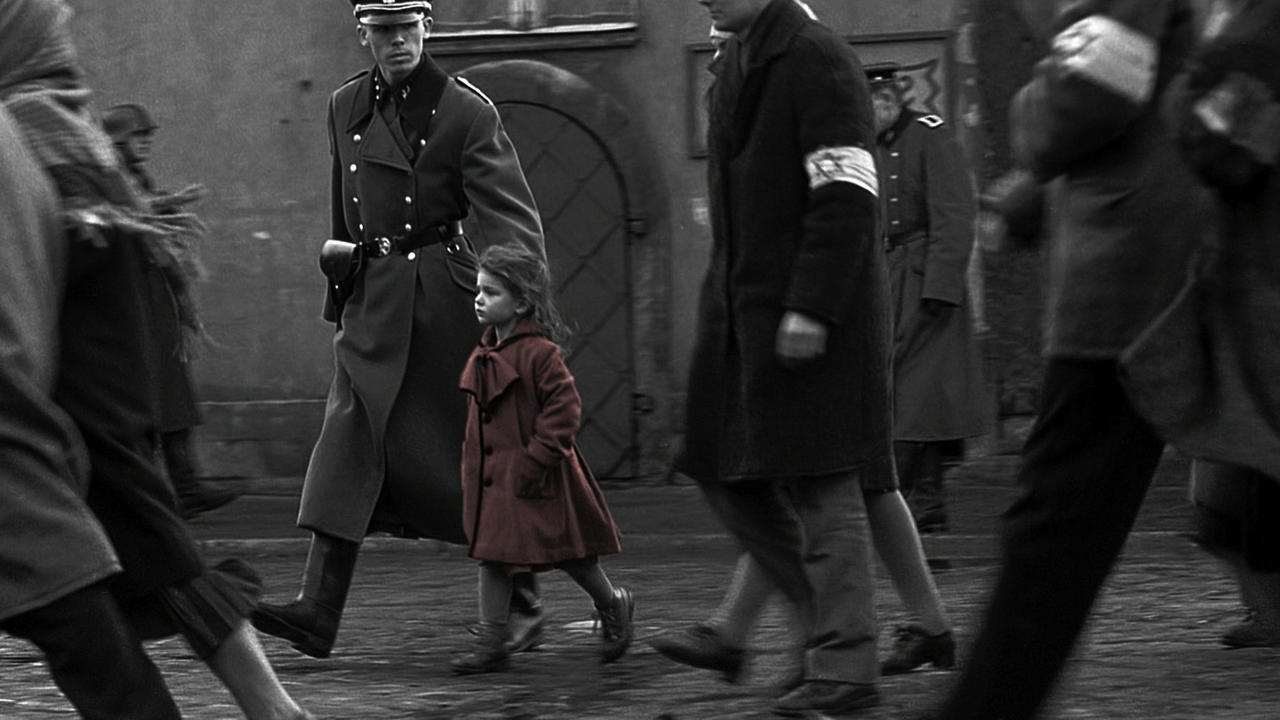
Founded with $100 million from the proceeds of Schindler’s List, RPF was created with the intention to make accessible Jewish stories and build a meaningful contemporary Jewish community. Spielberg expressed his commitment to the Jewish community by stating that he could not accept money from the film’s production, which he termed "blood money," emphasizing the need for responsible use of its proceeds.
Mission and Objectives
The foundation’s original goals were centered on:
- Preserving Jewish history: Recovering and sharing stories from the past.
- Community building: Creating a modern Jewish community grounded in joy and a commitment to repair the world.
Shift in Focus: Funding Controversial Organizations
In recent years, RPF has faced criticism for supporting groups that openly condemn Israel. This funding is seen as contradictory to the foundation’s original purpose. Some of these groups have been accused of spreading antisemitic tropes while addressing Israeli policy, especially concerning the Gaza conflict.
Support for T’ruah
T’ruah, a rabbinic human rights organization, has received substantial financial backing from RPF. The group’s activities include:
- Protests against Israel: T’ruah has organized demonstrations demanding the U.S. government pressure Israel to cease military actions.
- Claims of war crimes: The organization has accused Israel of committing atrocities in Gaza, despite evidence of Israeli efforts to facilitate humanitarian aid.
Jill Jacobs, T’ruah’s CEO, has labeled Israel’s actions as war crimes and accused it of ethnic cleansing, raising significant debate within Jewish communities.
Financial Contributions Overview
Since 2021, RPF has allocated $650,000 to T’ruah alone, while also donating $1.2 million to Bend the Arc, a progressive organization that criticizes U.S. support for Israel. Bend the Arc has been vocal in opposing Israel’s practices, suggesting they fuel a rise in antisemitism globally.
Key Contributions:
- T’ruah: $650,000
- Bend the Arc: $1.2 million
- Jews United for Justice: $900,000
These organizations have opposed the International Holocaust Remembrance Alliance (IHRA) definition of antisemitism, which ties certain anti-Israel sentiments to antisemitism.
Implications of Funding Choices
The allocation of funds towards these organizations has raised eyebrows, especially given that the foundation has dedicated only $125,000 to Holocaust-related projects since 2020. Critics argue that this funding pattern undermines the foundation’s original mission and adds to the divisiveness within the Jewish community.
Additional Concerns and Criticisms
- Opposition to IHRA: Organizations like Jews United for Justice have rejected the IHRA definition, citing concerns over potentially silencing Palestinian voices.
- Narrative Framing: Groups funded by RPF promote narratives that intertwine antisemitism with criticisms of Israel, framing them within larger societal issues like systemic oppression.
Spielberg’s Response
In March 2024, Steven Spielberg broke his silence regarding the ongoing conflict in Gaza, criticizing both Hamas and Israeli military actions: “We can rage against the heinous acts committed by the terrorists of October 7th and also decry the killing of innocent women and children in Gaza.”
This statement reflects a complex position on the conflict, positioning him as a figure attempting to navigate the treacherous waters of public discourse surrounding Israel.
Conclusion
The evolution of the Righteous Persons Foundation from a Holocaust survivor support initiative to a participant in contentious political debate highlights the intricate relationships between philanthropy, identity, and advocacy. As it continues to fund organizations that take a stance on Israel, the foundation faces increasing scrutiny regarding its alignment with its founding principles.
For more detailed insight into the issues surrounding Israel and Palestine, you may explore resources from The United Nations or Human Rights Watch.
