


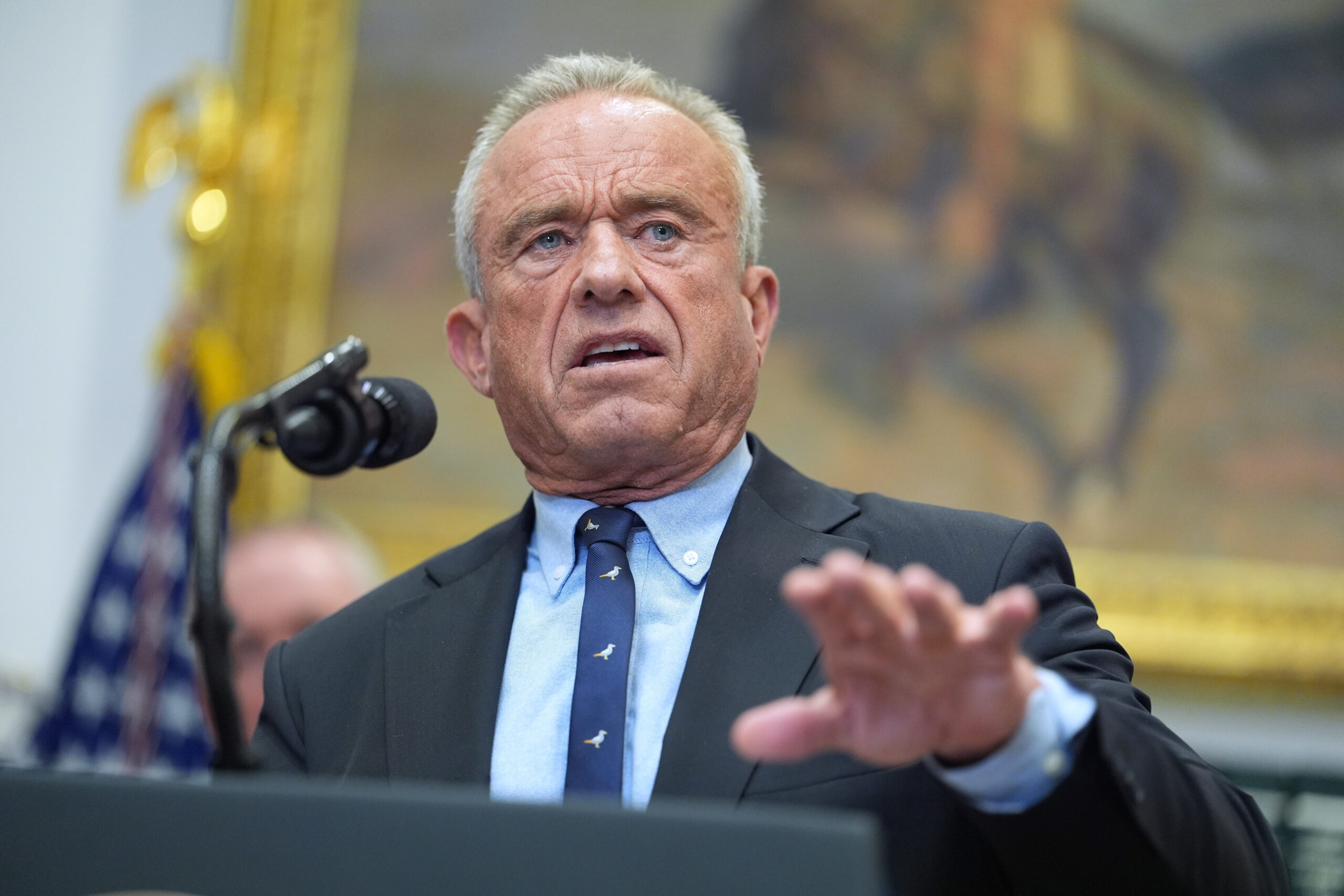
Robert F. Kennedy Jr.’s Bold Move to Reshape U.S. Health Policy
Early in his tenure, Secretary of Health and Human Services Robert F. Kennedy Jr. made a notable remark to a congressional panel: “I don’t think people should be taking medical advice from me.” Despite this admission, Kennedy swiftly set out to realign federal health policies with his Make America Healthy Again agenda. As he enters his second year in office, he faces significant challenges that could spark controversy and affect public confidence.
Challenges Ahead: Controversies and Public Perception
Kennedy’s approval rating has fallen below 40% in recent Gallup polls, and his next steps, particularly regarding changes to the pediatric immunization schedule, could ignite further public debate. During his confirmation, his history of questioning established medical norms caused hesitation among some Senate Republicans, including Senator Bill Cassidy, who requested assurances that specific CDC language stating “vaccines do not cause autism” would remain unchanged.
Major Policy Shifts Under Kennedy
Since taking office, Kennedy has aggressively pursued a range of health initiatives, including:
-
Make America Healthy Again Commission: Established by President Trump, this commission is tasked with studying chronic childhood diseases and proposing potential solutions.
- Massive Restructuring of HHS: Kennedy implemented significant workforce reductions, leading to about 10,000 job losses across various agencies like the CDC and FDA. Critics claim this restructuring created chaos and low morale.
Vaccine Policy Revisions
In a bold move, Kennedy dissolved all members of the Advisory Committee on Immunization Practices (ACIP) and appointed his preferred selections, including several vaccine skeptics. Key decisions from this newly formed committee include:
- Removal of mercury-based preservatives (Thimerosal) from single-dose flu vaccines.
- Shifting the hepatitis B vaccine recommendation for newborns from immediate administration to delaying it until at least two months of age.
- Exclusion of the Covid vaccine for healthy children and pregnant women from the recommended immunization schedule.
Controversial Public Health Measures
Kennedy’s agenda extends beyond vaccines:
-
Fluoride in Water: He announced plans to eliminate fluoride from the water supply, labeling it a “dangerous neurotoxin.” In alignment with his stance, Utah and Florida have banned community water fluoridation.
- Artificial Food Dyes: Kennedy has begun pressuring food manufacturers to phase out synthetic dyes, citing concerns over children’s health. By year-end, 40% of the food industry pledged to remove these products.
Groundbreaking Strategy Report
In September, Kennedy’s commission released a comprehensive strategy report that included:
- Chronic Disease Research: Expanding research initiatives on chronic disease prevention and nutrition.
- Mental Health Investigation: Studying mental health trends among children, particularly in relation to rising incidents of school shootings, with potential links to prescription drugs, gaming, and social media.
However, the report notably lacked recommendations for new pesticide regulations, disappointing some advocates in the MAHA community.
Unraveling Autism Claims
Kennedy has been vocal about autism diagnosis rates, attributing the surge to environmental toxins. Despite his claims that he would unveil the causes of the “autism epidemic” by September, he later retreated, suggesting that there would be “some answers” but not definitive solutions.
- Tylenol and Circumcision: He suggested a link between Tylenol use during pregnancy and autism, and raised concerns about circumcision—claims that have faced heavy criticism and lack scientific backing.
CDC Updates: A Mixed Message
In November, the CDC updated its autism page, maintaining that “vaccines do not cause autism,” yet weakening that assertion with new language stating that studies have not definitively ruled out vaccine links to autism. This prompted Senator Cassidy to criticize the change, arguing it misleads families seeking answers.
Future Directions for Kennedy’s Department
Looking ahead, Kennedy aims to make more substantial changes, including:
- Puberty-Blocking Drugs: Plans to halt the use of these medications in minors, arguing they are unsupported by sound scientific evidence.
- Expanded Use of Health Savings Accounts: Aiming to broaden what products can be purchased with health savings accounts to include MAHA-recommended items.
Additionally, Kennedy may overhaul the United States Preventive Services Task Force to improve its effectiveness in curbing public health decline.
Conclusion
As Robert F. Kennedy Jr. enters his second year as Secretary of Health and Human Services, his controversial policies and strategies continue to stir debate within the medical community and among the public. With ambitious plans to reform American health and food systems, Kennedy’s actions could have long-lasting implications on public health and safety.
For more information on the ongoing developments in health policies, refer to the CDC and the World Health Organization.
