


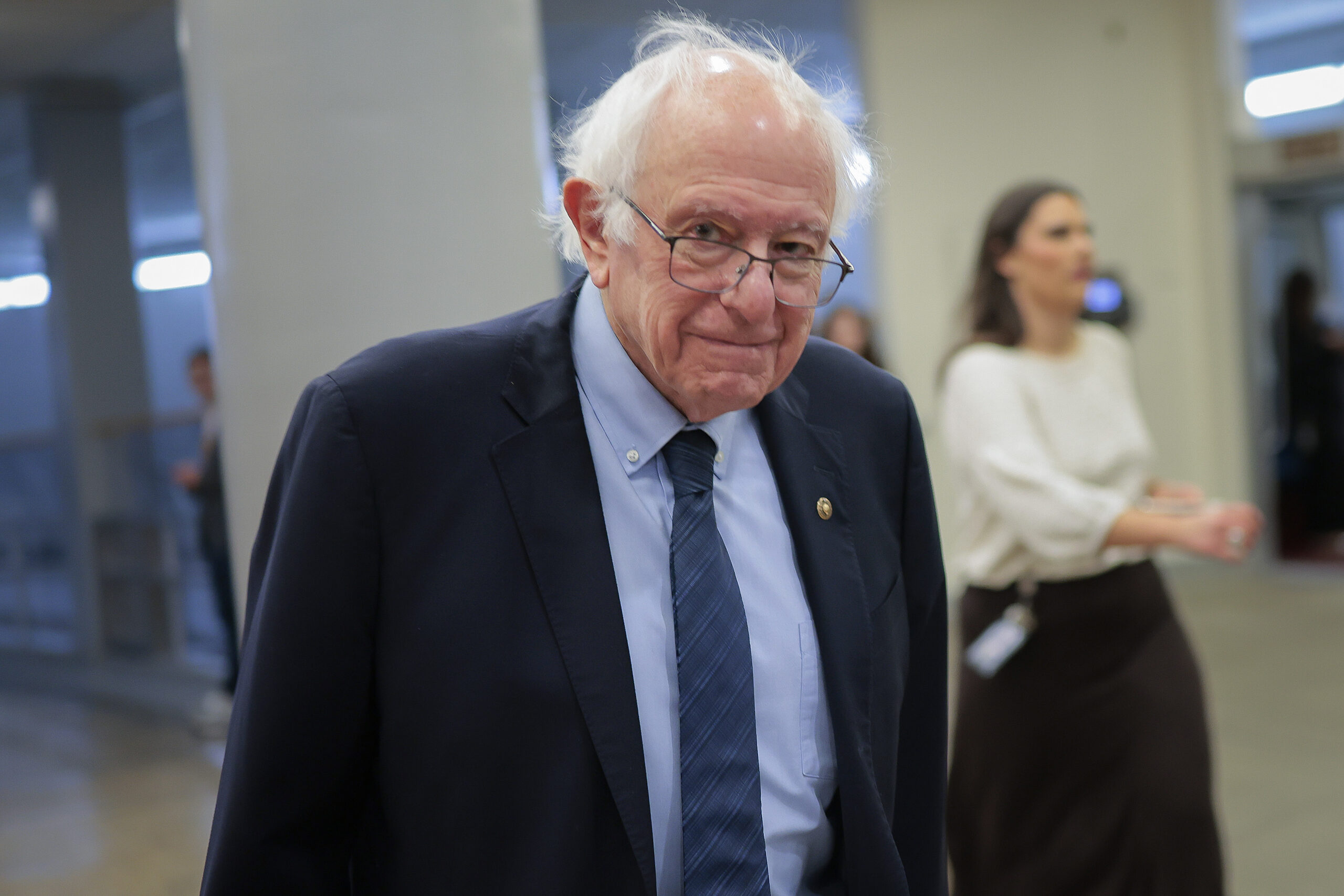
Calls for Removal of Senator Bernie Sanders from Holocaust Museum Board
Board members of the United States Holocaust Memorial Museum are advocating for the dismissal of Senator Bernie Sanders from their ranks. Citing nearly 20 years of poor attendance and comments deemed detrimental to the museum’s mission, their concerns have sparked a robust discussion on the senator’s role.
Background of the Holocaust Memorial Museum Board
Established by Congress in 1980, the Holocaust Memorial Museum was designed to honor the memory of Holocaust victims and educate the public on the dangers of hatred and antisemitism. Board members are primarily presidential appointees serving five-year terms, but the council also includes select members from both the Senate and the House of Representatives.
Key Points of Concern Regarding Senator Sanders
- Length of Tenure: Senator Sanders has served on the council since 2007.
-
Attendance Issues: Many board members, including Trump appointee Jonathan Burkan, have noted that Sanders has not attended any meetings. Burkan stated, “If someone is a Jewish elected official, they should at least attend one meeting in over a 20-year period.”
- Rhetoric on Israel and Gaza: Sanders’ characterization of Israel’s actions as genocidal has been particularly controversial among board members. Burkan commented, “This downplays the Holocaust, which hurts the museum that he serves.”
Bipartisan Representation and Active Participation
Emphasis has been placed on the need for bipartisan involvement in the museum’s operations. Daniel Huff, another board member and Trump appointee, stressed the importance of participation, saying, “It’s vital that the museum’s leaders understand the urgency of the moment.” Other Democratic senators have maintained active roles, contrasting Sanders’ absence.
Voices from Within the Board
Newly appointed board member Rob Garson expressed surprise at Sanders’ membership, noting the infrequency of meetings and the ease of attendance. He asserted, “He clearly just either doesn’t care or doesn’t want to care.”
Tila Falic, another member, echoed these sentiments, stating, “If he’s unable to attend and is not aligned with our mission, he should be removed.”
Broader Context and Implications
Sanders, a prominent figure in American politics, has become the first senator to publicly accuse Israel of committing genocide against Palestinians. His views diverge sharply from mainstream American governmental stance and have raised concerns among his colleagues at the museum.
Importance of the Museum’s Mission
The United States Holocaust Memorial Museum aims to educate and remind the world of the consequences of hatred. With a noticeable rise in antisemitism globally, the board’s focus is on ensuring a robust and relevant response to current events related to Holocaust education, memory, and activism.
Conclusion: What Lies Ahead
As calls for Sanders’ removal gain traction, it is clear that the board seeks active, engaged members who align with the museum’s critical mission. The ongoing discussions reflect the intersection of politics, public service, and the vital task of preserving historical memory.
For more details on the ongoing concerns regarding leadership at the Holocaust Memorial Museum, you can check resources like Jewish Insider and explore related discussions on antisemitism.
