


New Law in North Carolina Aimed at Repeat Offenders After Tragic Murder
In the wake of the shocking murder of Iryna Zarutska on public transportation in Charlotte, North Carolina, a new law designed to keep repeat offenders in jail pending trial is set to take effect. Known as Iryna’s Law, the legislation is a direct response to concerns over violent crime and has drawn attention from both local officials and national lawmakers.
The Incident That Sparked Change
In August 2023, Iryna Zarutska was brutally stabbed to death by DeCarlos Brown, a mentally ill homeless man with a long history of criminal activity, including 14 prior arrests. This horrific incident, captured in a disturbing video, has provoked outrage and calls for tougher crime policies, especially among conservatives.
Key Facts:
- Victim: Iryna Zarutska
- Perpetrator: DeCarlos Brown
- Prior Arrests: 14
- Incident Location: Charlotte, North Carolina
- Date of Murder: August 2023
- Legislation Implemented: Iryna’s Law
Overview of Iryna’s Law
Signed into effect by Democratic Governor Josh Stein in October 2023, Iryna’s Law includes several stringent measures aimed at reducing pretrial releases for certain violent repeat offenders:
- Abolishment of cashless bail for specific categories of repeat offenders
- New powers granted to the chief justice of the state Supreme Court to suspend magistrate judges
- Additional aggravating factors for prosecutors to consider during sentencing
Local Government Concerns
Local officials are raising alarms about the anticipated impact of Iryna’s Law on the Mecklenburg County jail system. Some have voiced concerns that the new detention requirements could lead to overcrowding in local prisons.
Susan Rodriguez-McDowell, a county commissioner, expressed her apprehension:
“I am almost speechless about the impacts across the board here.”
Commissioner George Dunlap added:
“I see a backlog happening as a result of these arrests. Us not being able to move people out of the system.”
Despite differing opinions within the nine-member Democratic county commission, some members believe that the intentions behind the law are logical, given the circumstances surrounding Zarutska’s murder.
Quotes from Local Officials
- Elaine Powell, county commissioner:
“It’s scary for me to read sometimes like, ‘How did they get out?’ I believe the [state] lawmakers had good intentions.”
National Attention and Political Implications
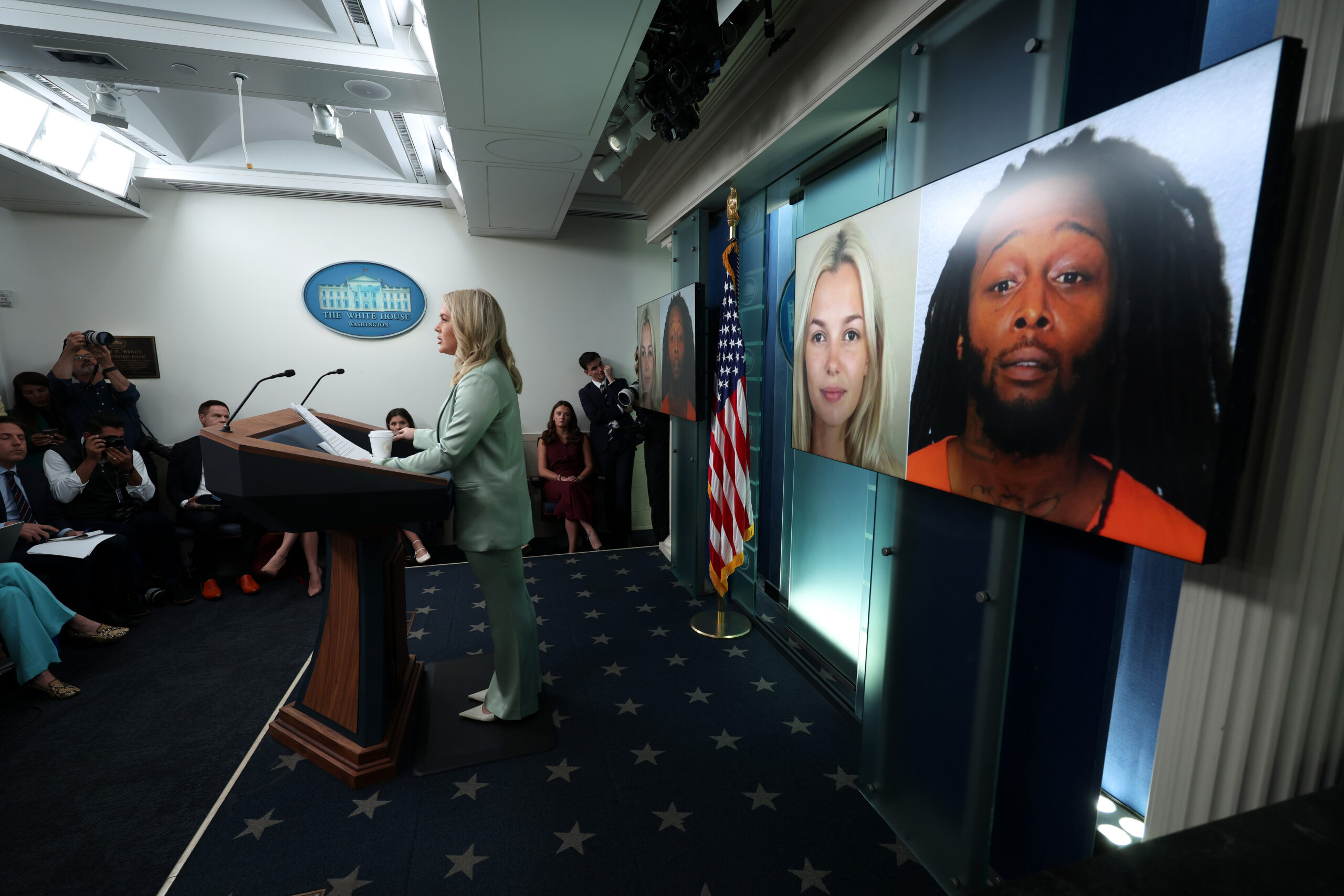
Zarutska’s tragic murder has not only incited legislative action on a state level but also garnered national attention. The day after the incident, images of both Zarutska and Brown were presented at a White House briefing, emphasizing a crackdown on policies perceived as lenient regarding violent crimes.
Former President Donald Trump condemned the situation by stating:
“She was slaughtered by a deranged monster who was roaming free after 14 prior arrests… We cannot allow a depraved criminal element of violent repeat offenders to continue spreading destruction and death throughout our country.”
Political Fallout
The implications of Iryna’s murder extend into the political arena, becoming a critical talking point in the upcoming 2026 U.S. Senate race in North Carolina. Michael Whatley, the Republican nominee, is leveraging the incident to critique Democrats, positioning them as responsible for Zarutska’s tragic fate.
Key Statements from Whatley
- “Roy Cooper appointed the judge who freed DeCarlos Brown… Cooper’s record continues to haunt NC.”
- “The fact is, Roy Cooper’s soft-on-crime policies led to the murder of Iryna Zarutska.”
Conclusion
Iryna Zarutska’s tragic murder has prompted significant legislative changes in North Carolina aimed at addressing public safety concerns associated with repeat offenders. The implementation of Iryna’s Law marks a pivotal shift in the state’s approach to crime prevention, however, local officials warn of potential repercussions, such as overcrowded jails and delayed judicial processes. As the discourse surrounding public safety continues, the implications of this law will be closely monitored by both local communities and political figures.
For further reading:
