


The Impact of Amen Corner on the Masters Tournament
Introduction to Amen Corner
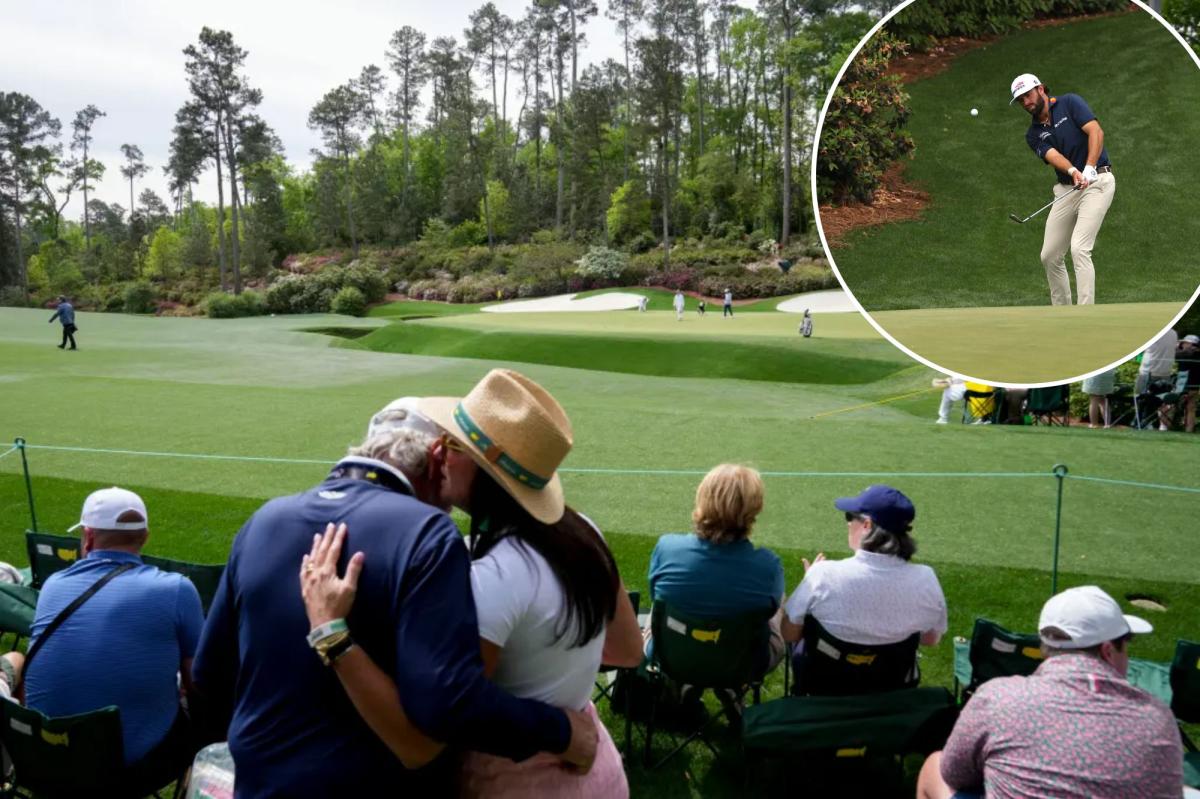
Amen Corner at Augusta National Golf Club is renowned in the golfing world for its critical role during the Masters Tournament. This iconic stretch of three holes—No. 11 (White Dogwood), No. 12 (Golden Bell), and No. 13 (Azalea)—spans roughly 1,220 yards and has historically influenced the outcomes of countless championships.
What Makes Amen Corner Unique?
1. Historical Significance
- Over the decades, this segment of the course has seen pivotal moments in Masters history, making it a focal point for players and spectators alike.
2. Challenging Layout
- No. 11: A 520-yard par-4 requiring precise shot placement. With a deep forest lining the fairway and a green guarded by Rae’s Creek and a pond, this hole demands skill and strategy.
- No. 12: A deceptively short 155-yard par-3 that often plays much harder due to swirling winds and a narrow green. Players must navigate Rae’s Creek in front and a steep bank that can send poorly hit shots back into the water.
- No. 13: A 545-yard par-5, reachable in two shots for many players. This risk-reward hole features Rae’s Creek running along its left side, creating a high-stakes dilemma for those aiming for eagle.
Memorable Moments in Amen Corner
Iconic Events
- Fred Couples (1992): His incredible luck with a ball teetering on the edge of Rae’s Creek on the 12th during his victorious round.
- Larry Mize (1987): Chipping in on the 11th in a playoff, surprising Greg Norman and sealing a legendary win.
- Greg Norman’s Collapse (1996): Enduring a catastrophic sequence of bogeys and a lost ball that led to a monumental shift in momentum.
- Phil Mickelson’s 6-Iron (2010): A masterclass of an approach shot that secured his victory with an eagle on 13.
- Jordan Spieth’s Turmoil (2016): A series of unfortunate shots that turned a commanding lead into a lost championship.
Noteworthy Challenges
- Tom Weiskopf (1980): Recorded the highest individual hole score in Masters history on the 12th, hitting five balls into the water for a total of 13.
Quotes from the Pros
Gary Woodland succinctly describes the tension at Amen Corner:
“It’s as pivotal a three-hole stretch as we’re going to see in golf.”
Cameron Young adds:
“That stretch of holes can be an incredibly important turning point in your round.”
These players highlight the unique pressure that this part of the course brings, where mistakes can lead to significant drops in standings.
Why Amen Corner Matters
The Psychological Factor
Navigating Amen Corner can be a test of mental fortitude, as players face the dual challenge of technical proficiency and psychological pressure. Successfully managing this stretch often sets the tone for the final six holes of the tournament.
The Blend of Skill and Luck
- A birdie on these holes can propel a player up the leaderboard.
- Conversely, a single misstep can result in disaster, underscoring the unpredictable nature of golf.
Conclusion: The Spirituality of Amen Corner
Known for its beauty and challenge, the term "Amen Corner" was first coined by Sports Illustrated writer Herbert Warren Wind in 1958. For many golfers, surviving this segment can either be a sacred moment or lead to desperate prayers for redemption.
Whether you marvel at the serene landscape or the dramatic history, there’s no denying the impact of Amen Corner on the Masters Tournament. As players tee off, all eyes will once again turn to this fabled stretch to see how the drama unfolds.
For more information about the Masters Tournament and its iconic moments, check out resources like Masters.com or Golf Digest.
