


Hydration Breaks: A New Era in Soccer Matches
Introduction to Hydration Breaks
In a notable departure from tradition, hydration breaks made their debut during the recent friendly match between the United States Men’s National Team (USMNT) and Belgium, hosted at the climate-controlled Mercedes-Benz Stadium in Atlanta. These breaks, typically reserved for matches played in extreme heat, are being implemented universally across all games during the upcoming 2026 FIFA World Cup.
What to Expect for the 2026 World Cup
The introduction of mandatory hydration breaks aims to safeguard player health while aligning with FIFA’s strategic initiatives to maximize viewership. The breaks will occur midway through each half, regardless of existing weather conditions. This decision also coincides with FIFA’s permission for broadcasters to air commercials during these pauses, marking a significant commercial opportunity for networks.
Match Insights
The hydration breaks were first observed in the USMNT’s 5-2 loss to Belgium. Following this, they will also take place in the next match against Portugal. Observers noted that the fans’ reactions were mixed, with many expressing dissatisfaction during the game stoppage.
Fan Reaction and Experience
- Discontent Among Spectators: Fans at the stadium voiced their displeasure when play halted. Many booed in the 23rd minute, and some chose to exit to the concourse during the pause in action.
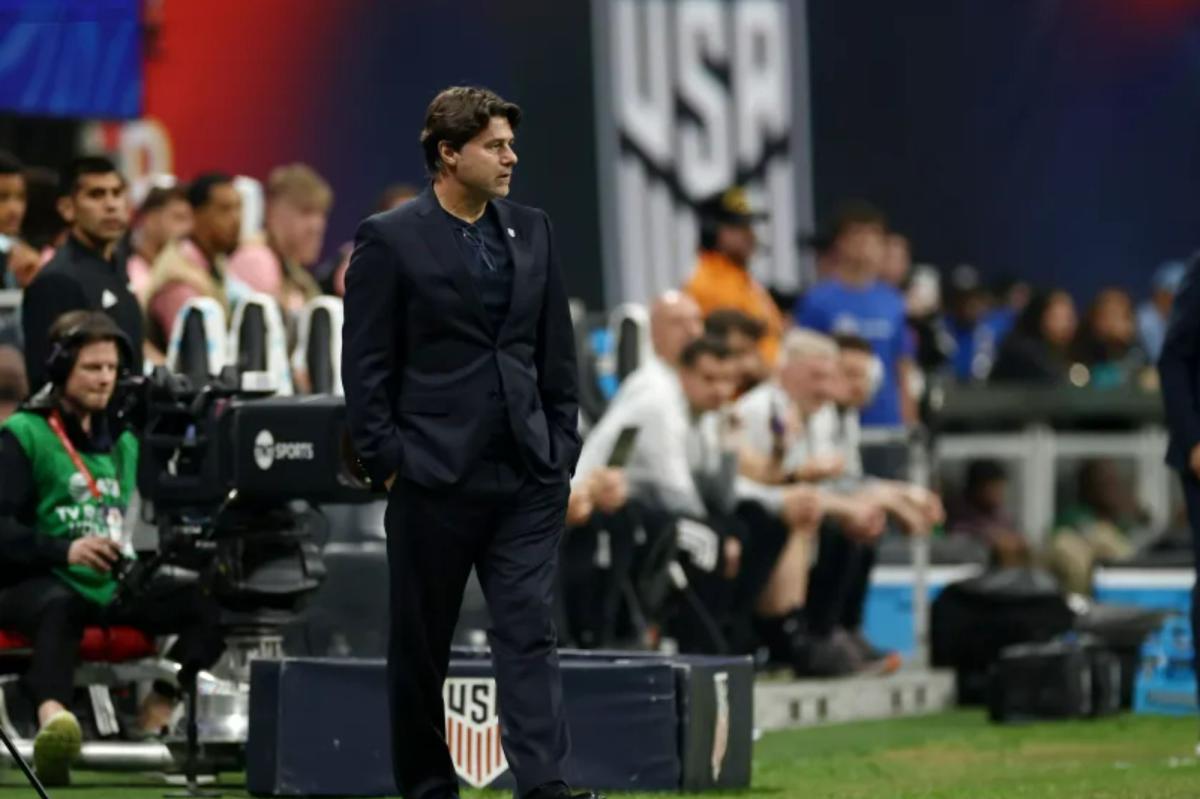
- The Coach’s Perspective: U.S. coach Mauricio Pochettino criticized the breaks, arguing that they disrupt the rhythm of the game. "I think after 20 minutes, like, OK, I understand when you play in an open stadium, maybe yes. We need to care about the health of the player," he shared, noting that the conditions inside the dome were far from extreme.
Tactical Implications of Hydration Breaks
Coaches are adjusting their strategies to utilize these hydration breaks effectively. While Pochettino has reservations, Belgium’s coach Rudi Garcia welcomed the opportunity to communicate tactical changes with his team during the breaks. He embraced this as a strategic element of gameplay:
“It was possible to speak with the team with these breaks. So it was very good. Interesting for me.”
Kit Controversy and Performance
An additional storyline from Saturday’s match was the kit clash, as both the U.S. and Belgium donned light-colored uniforms. Although players like Christian Pulisic downplayed any direct connection between the kits and performance, he acknowledged the confusion it created:
“It was very strange…everyone’s been shocked.”
Conclusion
The introduction of hydration breaks shows FIFA’s commitment to player health, even in controlled environments. As the soccer community adjusts to these changes, both teams and fans will be keenly observing how these breaks impact gameplay and viewer engagement throughout the highly anticipated 2026 World Cup. For continuous updates on this evolving subject, stay tuned to professional sports news platforms and the official FIFA website.
Learn More
By staying informed and adapting to these changes, fans and teams alike can embrace the future of soccer and its evolving dynamics.
