


The Rise of AI in Sports Coaching: A Paradigm Shift
Focus Keyword: Artificial Intelligence Coaching
Artificial Intelligence (AI) is rapidly transforming various sectors, and sports coaching is no exception. Athletes are now leveraging technology like ChatGPT to enhance their performance, pushing the boundaries of traditional training methods.
Athletes Embracing AI Tools
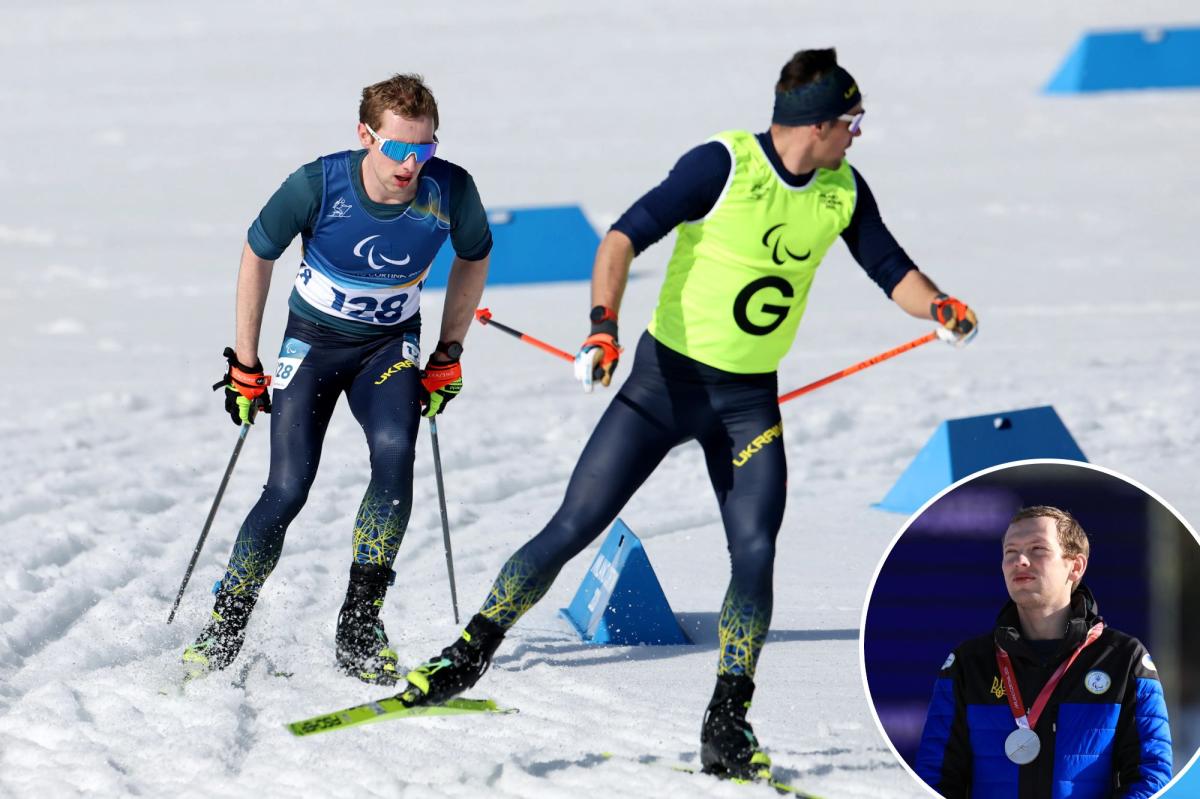
One notable example is Ukrainian Paralympic skier Maksym Murashkovskyi, who utilized ChatGPT not just as a conversational tool but as a coach, psychologist, and even a medical advisor in preparation for the 2026 Winter Paralympic Games, which began on March 4. This integration of AI into training regimes highlights a significant trend in modern athletics.
ChatGPT: A Revolutionary Asset
Murashkovskyi described ChatGPT as a “revolutionary technology.” He trained with it for six months leading up to his participation in the Paralympics. His innovative training approach also included using ChatGPT during the Para Biathlon World Cup in January, where he clinched a gold medal.
- Key Features of ChatGPT for Athletes:
- Motivation and Mental Support: Serving as a virtual psychologist
- Training Tactics: Providing strategic insights
- Comprehensive Planning: Assisting in creating a full training regimen
Murashkovskyi stated, "It was not only tactics; it contributed significantly to my training plan, motivation, etc.” This expresses the holistic approach he took, leveraging AI for various aspects of his preparation.
Performance in the 2026 Winter Paralympics
Maksym Murashkovskyi achieved a remarkable feat, securing a silver medal in the men’s individual vision-impaired biathlon at the NS3 classification, which includes athletes with minimal visual impairment. The biathlon event integrates cross-country skiing and air rifle shooting, challenging participants’ physical and mental skills.
Event Highlights:
- Finish Time: 33:41.1, finishing just 10 seconds ahead of fellow Ukrainian Dmytro Suiarko, who won bronze.
- Gold Medalist: China’s Dang Hesong, with a winning time two minutes faster than Murashkovskyi.
Accompanied by his guide skier Vitaliy Trush, Murashkovskyi emphasized the importance of support, even though a guide was optional for competitors in his classification.
Innovative Equipment in Competition
Athletes in this category use electronic rifles paired with acoustic signals, guiding them to the target. The use of advanced technology illustrates the evolving nature of sports training and competition.
The Future of AI in Sports Coaching
While AI chatbots are currently making a significant impact, Murashkovskyi believes they could eventually replace human coaches. However, he estimates this shift won’t fully materialize for another five to ten years.
Current Paralympic Landscape
As of now, China leads the Paralympic medal count with 23 medals, including nine golds. In the context of the 2026 Winter Olympics, Norway dominated with 18 golds, showcasing how different strategies in training can influence performance outcomes.
- Top Medal Counts:
- China: 23 medals (9 golds)
- Austria: 10 total medals
- United States: Tied for second with 10 total medals (3 golds)
Murashkovskyi’s success, bolstered by AI technology, demonstrates the future potential of combining human talent with technological advancements in coaching.
Conclusion
The integration of Artificial Intelligence in sports coaching marks an exciting evolution in athletic training. With tools like ChatGPT becoming commonplace, the realm of sports performance may soon be bridged with next-level technology, paving the way for future athletes to achieve unparalleled success.
For more insights on AI in sports, you can visit AI Applications in Sports or check out Tech Tools for Athletes.
