


Lindsey Vonn’s Olympic Comeback Cut Short: A Deep Dive into the Risks of Competitive Sports
A Shocking Turn of Events
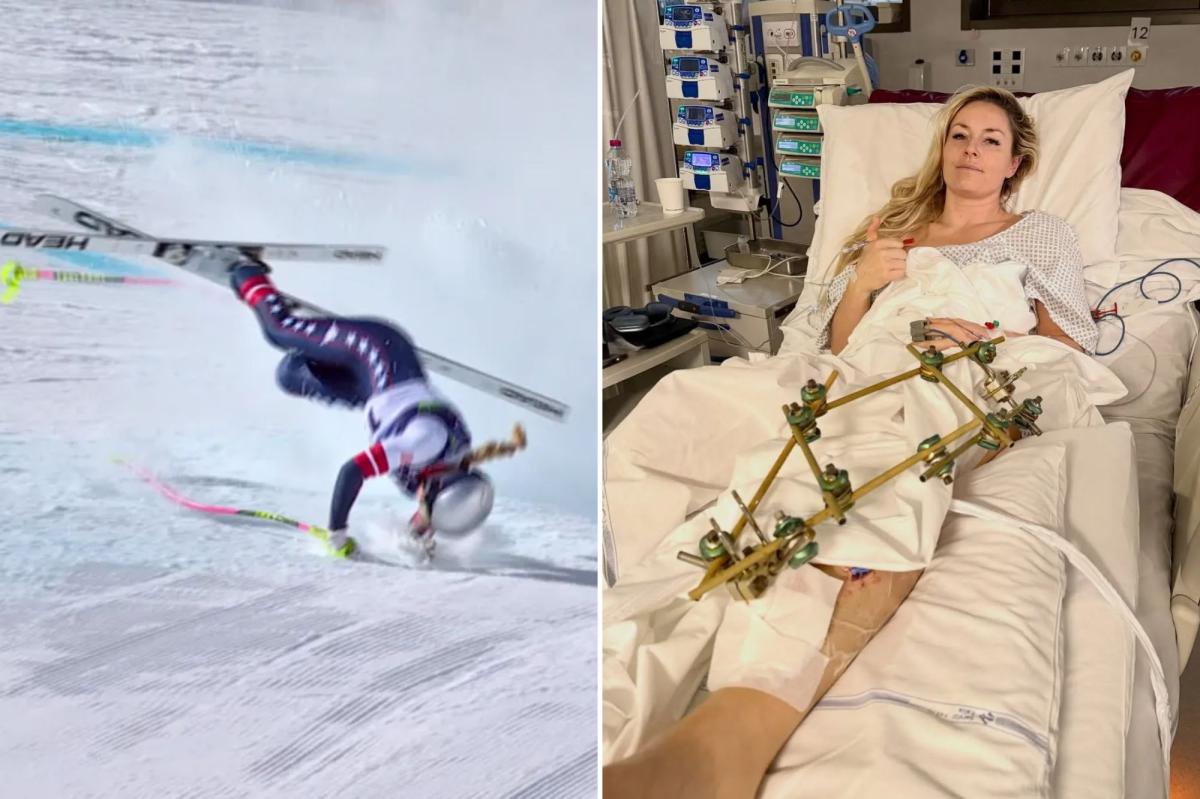
Thirteen seconds into what promised to be a remarkable comeback, Olympic skier Lindsey Vonn faced a devastating setback. Just after clearing the fourth gate in her downhill run, she caught air, got entangled with the gate, and flipped violently in a crash that resembled a motorcycle collision. At 41, Vonn, acutely aware of the physical toll of her 26-year professional career, had to be airlifted off the mountain.
Recent Trauma
This incident was particularly disheartening as it followed another recent crash in Crans-Montana, Switzerland. Vonn, instead of standing on the podium for her medal ceremony on February 11, was photographed in a hospital bed, recovering from a complex tibia fracture. Reports indicate she faces a series of five surgeries, marking this injury as potentially career-ending.
The Cost of Athletic Glory
Athletes push boundaries, putting their bodies through unimaginable stress in pursuit of excellence. According to the British Journal of Sports Medicine, 9.1 injuries occur per 100 athletes during Olympic events. Given there are approximately 11,600 athletes at the Games, that calculates to over 1,288 injuries.
Long-Term Fallout
A survey from the same journal revealed one-third of 3,300 athletes reported experiences of chronic pain and functional limitations caused by prior injuries. The stark reality is that while athletes like Vonn exhibit heroism, the consequences can be dire.
Voices from the Athletic Community
- Katie Uhlaender, a five-time Winter Olympics skeleton racer, shared her own painful experiences. After numerous injuries, including a shattered knee, she recounted days of pain so severe that eating became a challenge.
- Jennifer Sey, a former gymnastics frontrunner, found herself sidelined by injuries that shattered her ankle and included a painful recovery process. "Now I’m in my 50s, and some days it’s really hard to walk," she lamented.
The Harrowing Nature of Competitive Sports
The relentlessness of training can lead to not only acute injuries but chronic pain later in life. Olympians often push through such agony. Uhlaender reflected on Vonn’s commitment despite her recent knee replacement: “The beauty of her chasing her dream, despite the obstacles, is what this is all about.”
Remarkable Resilience
Even in pain, athletes achieve incredible feats:
- Chloe Kim, the prominent snowboarder, competed this year under the shadow of a serious shoulder injury, ultimately securing a silver despite doubts about her participation.
- During the 1996 Olympics, gymnast Kerri Strug executed a pivotal vault on a severely injured ankle, clinching gold for the U.S. team but ending her gymnastics career in the process.
The Unseen Battle: Injuries and Athletic Identity
Olympic athletes embody resilience, often choosing national pride over personal well-being. Manteo Mitchell, a runner at the 2012 Olympics, famously completed a relay race despite breaking his fibula. He later stated, “I knew I would risk injury… I had to get back to that line.”
Conclusion
Injuries have profound implications beyond the immediate pain; they can end careers and alter lives. Lindsey Vonn’s recent accident is a testament to this reality. The Olympic spirit is as much about sacrifice and perseverance as it is about competition. For every medal won, there are countless stories of resilience, pain, and the undeniable costs athletes face in pursuit of glory.
Understanding the risks of competitive sports emphasizes a critical conversation about athlete health in the wake of incredible ambition and dedication.
Learn More About Athlete Safety
For more insights on athlete safety and injury management, visit the British Journal of Sports Medicine or NPR’s coverage on athlete health.
This article presents a nuanced look into the sacrifices made by Olympic athletes, highlighting both their triumphs and the harsh realities of their chosen paths.
