


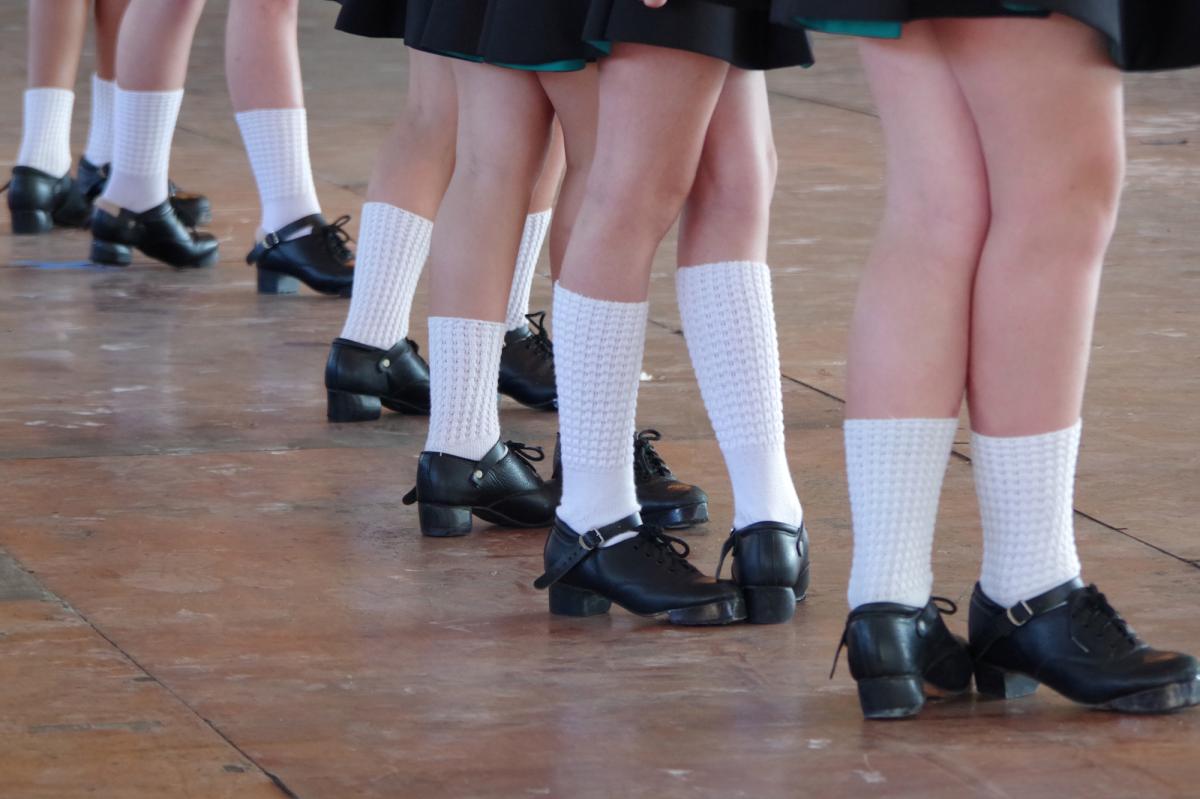
Controversy in Irish Dancing: Calls for Policy Changes on Gender Participation
A significant shift in participation policies has emerged in the Irish dancing community, as a women’s public policy group advocates for reform following the qualification of a male dancer in the girls’ category for the World Championships.
The Context
In a groundbreaking incident, a male dancer who previously competed as a boy transitioned to identifying as female and entered the girls’ division in 2023. This decision has sparked robust debates about gender identity and fairness in sports.
- In 2023, the dancer achieved a regional title in the girls’ category, continuing to win in subsequent competitions, including a notable victory in Florida last December.
- The group Concerned Women for America (CWA) has taken a firm stance, calling on governing bodies to amend their policies that allow participants to compete based on gender identity.
CWA’s Concerns
Maggie McKneely, Director of Government Relations at CWA, expressed her concerns to Fox News Digital. She highlighted the "ripple effect" caused by this male dancer’s participation, arguing it adversely affects female athletes striving for recognition.
Key Points from McKneely:
- Impacts on Female Competitors: The male dancer’s entry into the girls’ category has resulted in subsequent disqualifications of female competitors from championship events.
- Example: A girl who placed second was pushed down the rankings, affecting her chance to qualify for top-tier competitions.
- Undermined Opportunities: McKneely noted that this shift diminishes the achievements of female dancers and may discourage them from competing.
A Call to Action
CWA’s leadership has urged the governing bodies of Irish dance, namely An Coimisiún Le Rincí Gaelacha and the Irish Dance Teachers’ Association of North America, to review their policies. They referenced policies from major sports organizations like the International Olympic Committee and World Athletics, which have instituted sex-based eligibility requirements.
Other Considerations:
- Artistry and Athleticism: McKneely clarified that Irish dancing is not merely an art form; it’s an athletic discipline. The physical demands—such as leaps, jumps, and quick-footed choreography—require significant endurance and strength.
- Physical Advantages: Differences in muscle composition and body mechanics can provide male dancers with competitive advantages that lead to higher success rates in competitions.
Policy Debate and Responses
When the issue of separating categories by sex was raised, governing bodies proposed creating a neutral category for dancers identifying outside the traditional male-female binary. However, the motion was eventually tabled, reflecting the complexities within the community.
Additional Insights:
- Previous Petitioning: Parents and dancers had previously expressed discontent over this issue through petitions, advocating for clear separation in competition.
- Current Climate: The governing bodies are cautious, particularly in the face of ongoing controversies—including a cheating scandal—that makes them hesitant to engage in further debates over gender policies.
Final Thoughts
The debate around gender participation in Irish dancing continues to evolve, underscoring broader discussions in sports and societal norms. As the CWA pushes for policy amendments, stakeholders in the Irish dancing community face critical decisions that could reshape the future of competitions.
Further Reading:
The ongoing discussions reflect not only the future of Irish dancing but also the wider implications of gender identity and its place in competitive sports.
