


NBA’s Controversial 65-Game Rule: Is It Time for a Change?
The NBA’s rule mandating that players must participate in at least 65 games to qualify for major awards is under scrutiny. Originally designed to encourage consistent player participation, this regulation has now raised concerns about its fairness and impact on some of the league’s biggest stars.
LeBron James: A Stark Reality
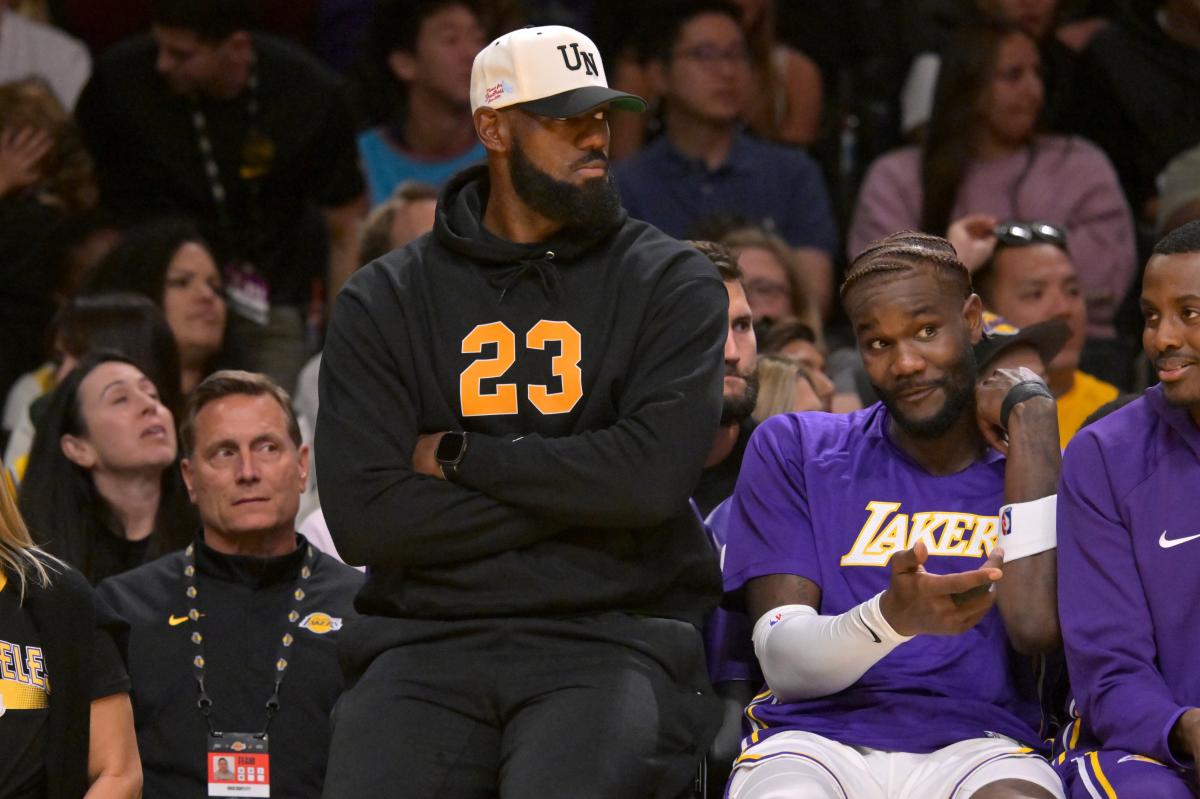
LeBron James recently became a prominent example of how this rule can affect a player’s legacy. After missing his 18th game this season due to left foot arthritis, James’s impressive streak of being named to an All-NBA team for 21 consecutive seasons came to an unexpected end. Other superstars like Giannis Antetokounmpo, Austin Reaves, and Jalen Williams are also seeing their chances for accolades vanish due to this 65-game threshold.
Stars on the Brink
Several other key players are also teetering on the edge of eligibility:
- Nikola Jokic: Currently one of the top contenders for the MVP Award, he risks disqualification if he misses just two more games.
- Victor Wembanyama: Considered a frontrunner for Defensive Player of the Year, he could face a similar fate if he misses four more.
- Steph Curry: He is only four games away from the cutoff.
- Kawhi Leonard: Right behind Curry, he’s just five games shy.
Implications of the 65-Game Rule
The concern among fans and players is that this rule could lead to awards being given not based solely on performance, but rather on participation statistics. The stakes are high, as eligibility for super-max contracts could also be jeopardized.
McCollum Weighs In
CJ McCollum, former President of the National Basketball Players Association (NBPA), expressed disappointment about how the rule affects injured players. "It’s unfortunate… Injuries are a part of the game," he stated. He believes that while the intention of the rule was to boost participation, it ends up penalizing players who are sidelined due to health issues.
Could a Revision Be in Order?
The conversation around the 65-game rule is growing louder. Options being discussed include:
- Differentiating between injuries and rest: Should the league make a clearer distinction between legitimate injuries and load management?
- Adjusting the threshold: Dropping the required games from 65 may offer a more balanced approach.
- Involving third-party medical experts: This could help determine whether players are missing games for valid reasons.
Numerous players, including LeBron James and Tyrese Haliburton, have voiced their frustration. Haliburton previously faced the risk of missing out on a significant contract due to this rule and discussed its implications with NBA Commissioner Adam Silver.
Opinions from All Angles
Draymond Green and Antetokounmpo have echoed the need for change. Antetokounmpo, initially supportive of the rule, has since grown disillusioned: "As I get older, I’m like, take it off."
In contrast, some coaches defend the current system. Mavericks coach JJ Redick believes in maintaining some form of guidance for voters, while Spurs coach Mitch Johnson argues that overcoming physical challenges is a skill itself.
Looking Ahead to All-Star Weekend
NBA Commissioner Adam Silver is expected to address this ongoing issue at the upcoming All-Star Game. As players, coaches, and fans weigh in, it’s clear the conversation around the 65-game rule is far from over.
Conclusion
The NBA’s 65-game rule, initially aimed at ensuring player availability and fan enjoyment, has inadvertently complicated the recognition of talent in the league. As the season progresses, the importance of re-evaluating this regulation becomes more apparent, particularly for the sake of preserving the integrity of awards like MVP and All-NBA honors.
For more updates on NBA policies and player performance, visit NBA.com and stay tuned for further discussions on this crucial topic.
