


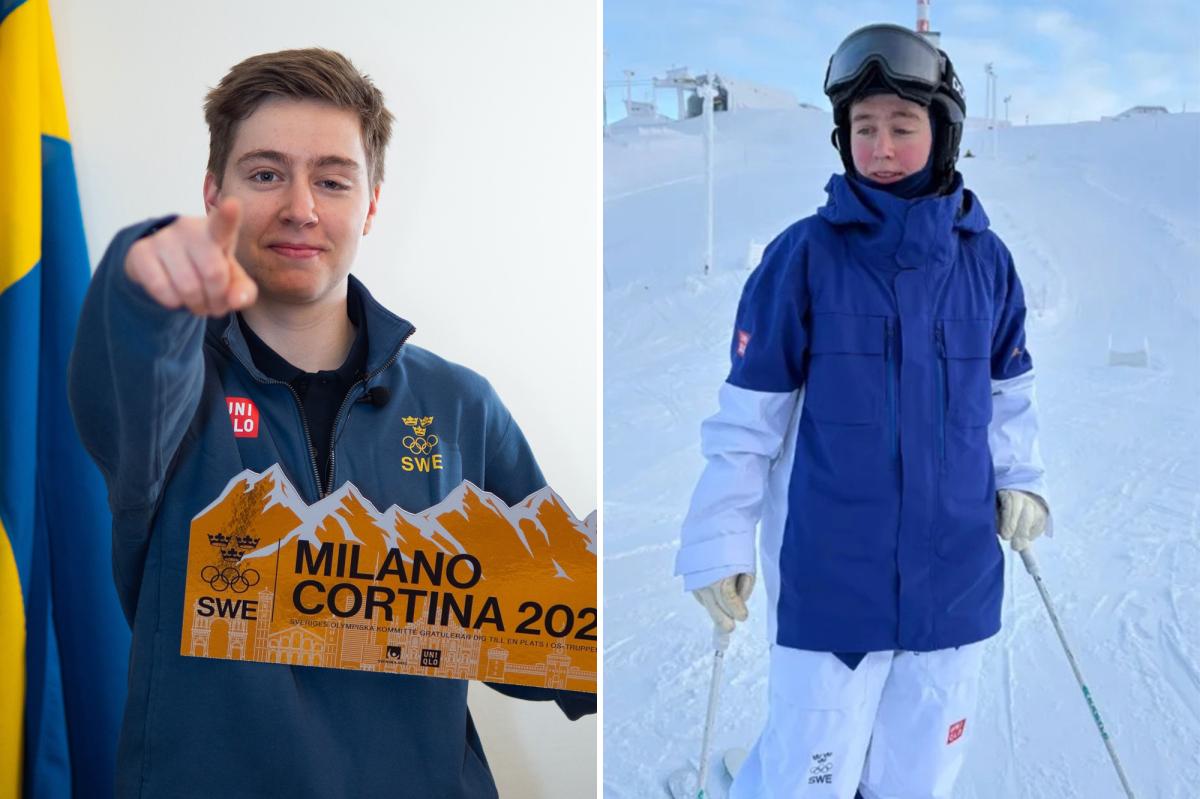
History Made: Elis Lundholm Becomes First Openly Transgender Athlete Competing in Winter Olympics
In a groundbreaking development for sports and inclusion, Elis Lundholm, a Swedish skier, will be the first openly transgender athlete to compete in the 2026 Milan-Cortina Winter Olympics. Lundholm, who was born biologically female but identifies as male, will take part in the women’s freestyle skiing division in accordance with the International Olympic Committee (IOC) guidelines.
Who is Elis Lundholm?
Elis Lundholm is a trailblazer in the sporting world, as his participation marks a significant milestone in the inclusion of transgender athletes in elite competitions. As the only openly transgender participant at the upcoming Winter Olympics, Lundholm’s journey highlights the evolving landscape of sports and gender identity.
The IOC’s Framework on Transgender Athletes
Lundholm’s historic inclusion comes on the heels of the IOC’s 2021 Framework on Fairness, Inclusion, and Non-Discrimination on the Basis of Gender Identity and Sex Variations. This framework outlines essential principles for ensuring that all athletes can compete in safe and respectful environments while maintaining fair competition.
Key Principles of the Framework:
- Safety and Inclusion: Ensuring a harassment-free environment for all athletes, irrespective of their gender identity.
- Fair Competition: Maintaining a level playing field where no athlete has an unfair advantage.
The guidelines emphasize that transgender athletes can compete in the Olympics provided they meet the eligibility requirements set by their respective sports federations.
Future of Transgender Participation in Sports
There has been ongoing debate regarding the eligibility of transgender athletes, particularly concerning fairness in women’s sports. In November, discussions arose about potential changes to existing standards that might restrict biological males from competing in women’s events. This was prompted by research presented by Dr. Jane Thornton, the IOC’s medical and scientific director, indicating that biological males retain physical advantages even after testosterone treatment.
What’s Next?
As of now, a new policy from the IOC on the eligibility of transgender athletes has yet to be formally announced. However, the conversation continues, making it a pivotal moment in sports governance.
Related Controversies
The topic of gender guidelines has attracted scrutiny, especially during the 2024 Paris Olympics. Some athletes, such as Algeria’s Imane Khelif and Taiwan’s Lin Yu-Ting, have stirred contention after winning gold medals in women’s boxing despite major debates surrounding gender identity testing.
- Imane Khelif has stated that they identify as female.
- Lin Yu-Ting has not made public comments on the matter.
United States Olympic Committee Policy Changes
As sports organizations worldwide grapple with these changes, the U.S. Olympic and Paralympic Committee (USOPC) updated its policies in July. This adjustment aligns with the executive order from former President Donald Trump on cutting transgender athletes from women’s competitions.
Conclusion
The participation of Elis Lundholm in the 2026 Winter Olympics is not just a personal achievement but a beacon for transgender rights in sports. As dialogue continues about fairness and inclusion in athletics, Lundholm’s story will undoubtedly shape future discussions.
For more insights into Olympic policies, visit the International Olympic Committee.
Stay Informed:
- For updates on transgender athlete participation in sports, follow credible news sources and official announcements from sporting bodies.
- Engage with the ongoing discussions around gender inclusivity by visiting platforms such as The LGBTQ Sports Archive.
This evolving narrative in sports invites us all to reflect on fairness, identity, and inclusion, pushing the boundaries of traditional understandings of gender in athletics.
