


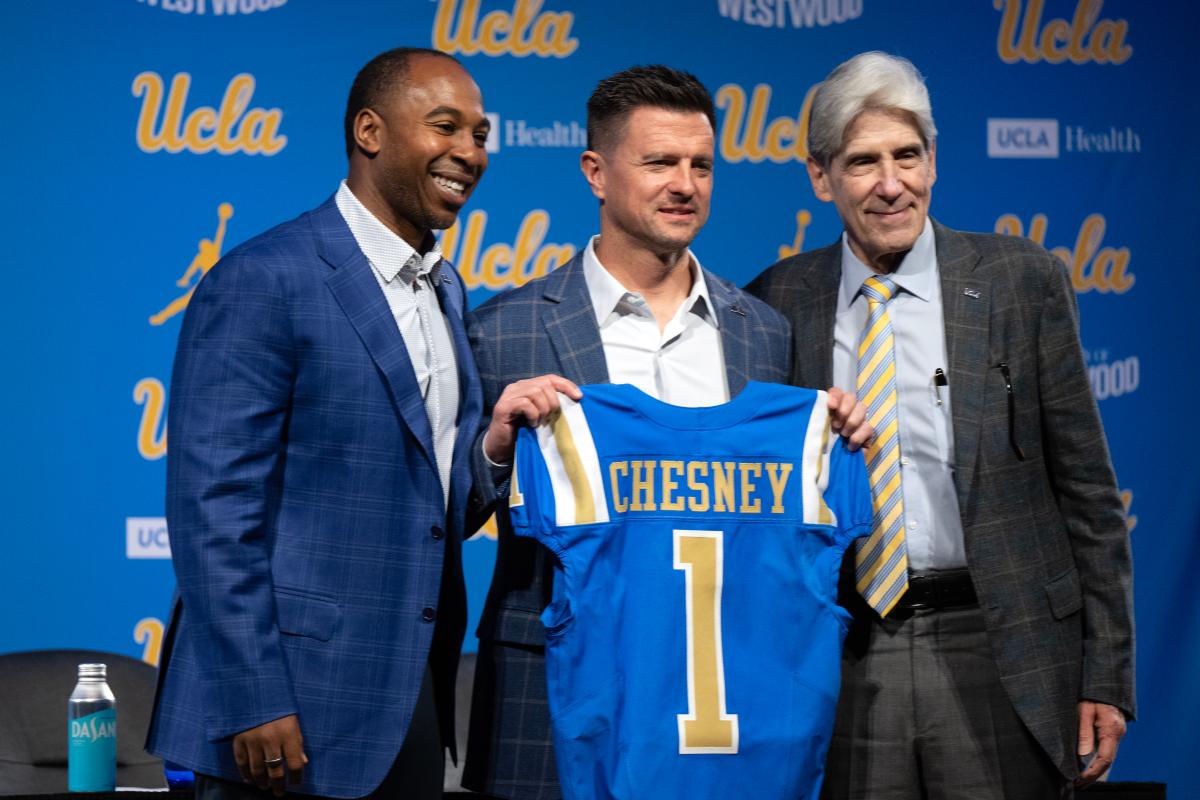
UCLA Football’s New Dawn: Bob Chesney’s Game Plan for Revitalization
UCLA’s football program is gearing up for a significant transformation under the leadership of newly appointed head coach Bob Chesney. After a successful tenure at James Madison that included a trip to the College Football Playoff, Chesney has quickly begun laying the groundwork for a revival at UCLA.
Revamping the Roster
Chesney’s initial months at UCLA have seen an impressive overhaul of the roster. His prowess in leveraging the transfer portal has brought in 41 new players, significantly bolstering the team’s talent pool. This new roster is not just about numbers—it’s considered one of the best in the nation, promising an exciting future for Bruin fans.
Key Roster Enhancements:
- High-caliber Transfers: Players with proven track records who can immediately contribute.
- Restoration of NCAA Recruiting Relationships: Rekindling connections with high school coaches and communities that had been neglected.
Renewed Optimism and Hard Work
UCLA’s football program has not claimed a conference championship since 1998, and the shadow of past struggles loomed large under former coaches Chip Kelly and DeShaun Foster. However, Chesney’s relentless work ethic has stirred a newfound sense of hope among fans and players alike.
“Everything’s just a go right now, you know? There’s really no rest, there’s no time to breathe,” Chesney shared, emphasizing his commitment.
Chesney’s packed schedule—starting his day early in Houston before jetting to Los Angeles for high school visits—is indicative of his hands-on approach to rebuilding the program.
Building a Cohesive Staff
A significant part of Chesney’s strategy involves assembling a robust coaching staff that consists of both familiar faces from James Madison and new talent.
Staff Composition Highlights:
- Competence and Character: Chesney looks for coaches who excel in their roles and build strong connections with players.
- Diversity and Adaptation: Including coaches from different backgrounds will help the program evolve while retaining crucial institutional knowledge.
Game Play Philosophy: What to Expect
Chesney plans to take a hands-on approach with both the offense and defense, infusing his philosophy into every game plan. His experience as a coach at various levels has shaped his focus on discipline, fundamentals, and situational awareness.
In-Game Expectations:
- Disciplined Performance: A team that remains competitive, never underestimating its abilities.
- Efficiency and Pressure: A commitment to pressing the opposition in all game phases, aiming to keep the ball secure while regaining possession quickly.
The Transfer Portal Success: A Critique
Chesney’s strategic moves to incorporate a diverse mix of players through the transfer portal have demonstrated effective foresight. This initiative supports the notion that a robust roster can be rebuilt in a short time, even in the fast-paced environment of college football.
“I think our coaches understood what we were looking for…not just competent players, but genuinely good people too,” Chesney stated, highlighting the character he seeks in recruits.
Factors Impacting the Transfer Strategy:
- NIL (Name, Image, Likeness) Considerations: Adapting to a changing marketplace is crucial for attracting talent.
- Connecting with Recruits: Navigating the complex web of influencers surrounding each recruit, including coaches, trainers, and even parents.
Engaging UCLA’s Unique Community
Chesney recognizes the importance of engaging with the UCLA community and alumni. Building these relationships and creating an environment where athletes feel supported and valued is vital for the program’s long-term success.
Community Engagement Initiatives:
- Mentorship Programs: Connecting current players with alumni for guidance and support.
- Public Appearances: Regular interactions with community members and supporters to foster a collective excitement for the program.
Looking Ahead: Building a Winning Culture
Chesney’s early assessments suggest he’s focused on instilling a culture of success where players strive for daily improvements. He emphasizes that specific records should not define success; instead, the focus should remain on continuous personal and team development.
Key Cultural Objectives:
- Cultivating a mindset that thrives on improvement.
- Keeping emotions in check to foster discipline and focus on team goals.
In conclusion, Bob Chesney’s vision for UCLA football embodies a blend of strategic recruitment, connection with the community, and an emphasis on personal growth. He encourages fans, recruits, and alumni alike to share in the dream of transforming the program into a powerhouse. As he aptly puts it, "Don’t limit what you can achieve. Dream big!"
For more insights into college football coaching strategies and NCAA updates, visit NCAA or explore the UCLA Athletics website.
