


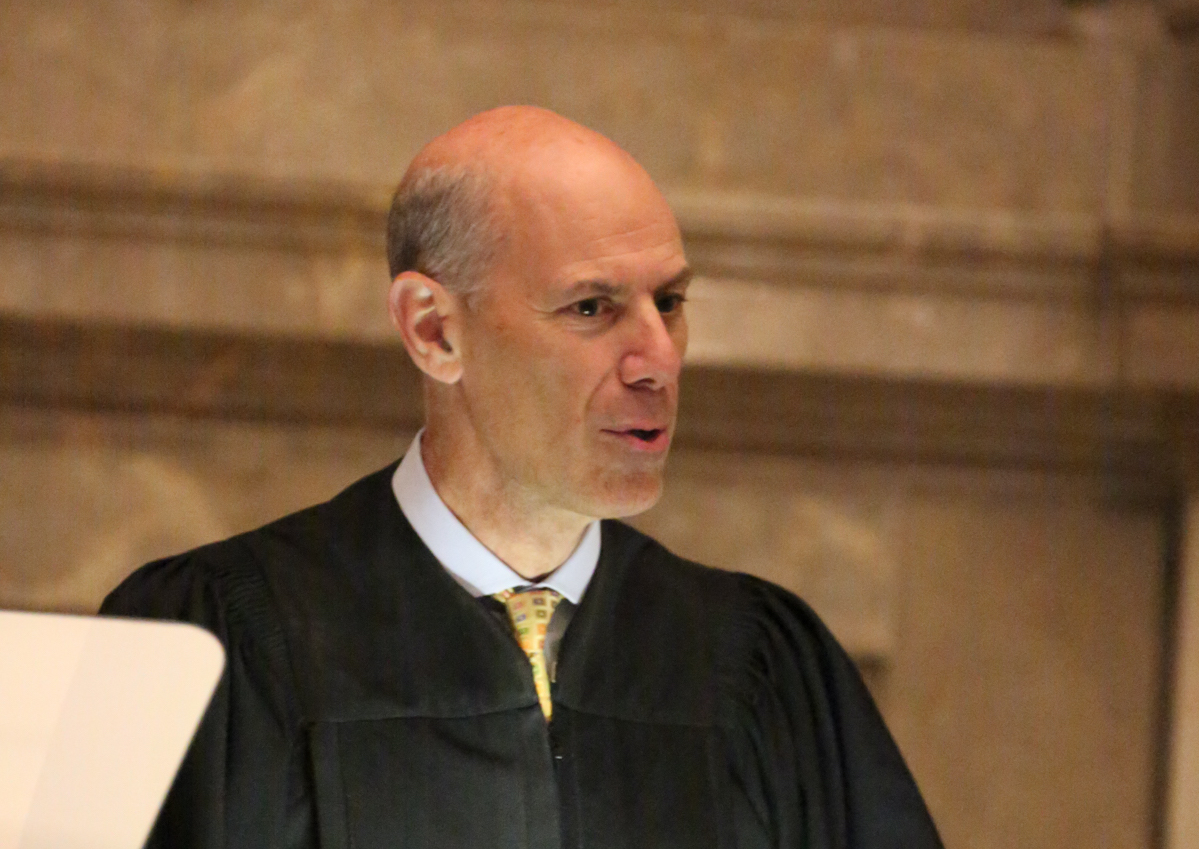
House Republicans and Democrats Unite Against Judicial Budget Cuts
In a surprising display of bipartisan cooperation, a significant number of House Republicans joined their Democratic counterparts to oppose an amendment that aimed to eliminate the salaries and budgets of two federal judges known for their rulings against former President Donald Trump. This effort formed part of a broader government funding bill and included substantial budget cuts to the District of Columbia’s district and appellate courts.
The Judges Under Fire
The judges targeted by this amendment were Judge James Boasberg and Judge Deborah Boardman. Both jurists have garnered attention due to their legal decisions, particularly in cases regarding immigration policy. The Washington, D.C. district and appellate courts have become crucial arenas for legal battles against the Trump administration, often concluding with unfavorably for the former president.
Key Details:
-
Judge James Boasberg:
- Nominated by President Obama.
- Notable for ordering the return of migrants deported to El Salvador’s CECOT prison.
- Currently considering contempt charges against Trump officials who allegedly violated his rulings.
- Judge Deborah Boardman:
- Nominated by President Biden.
- Known for blocking Trump’s executive order on birthright citizenship.
- Recently criticized for sentencing a man who plotted to assassinate Justice Brett Kavanaugh to 97 months in prison, a decision met with public outcry.
The Amendment Proposal and Its Defeat
Congressman Chip Roy from Texas, a prominent figure in the Republican party and candidate for state attorney general, introduced the amendment aimed at punishing Judges Boasberg and Boardman, along with reducing the budgets of their courts by 20%. The proposed cut would have stripped the jurists of their salaries and their staffs.
The outcome of the vote was striking: the amendment was defeated 163 to 257, with 46 Republicans voting against it and one choosing to vote "present."
Significant Takeaways:
- Bipartisan Opposition: House Democrats and a faction of Republicans united to oppose the amendment.
- Notable Republican Votes: Key members from the House Appropriations Committee, including its chairman Tom Cole and defense appropriations subcommittee lead Ken Calvert, voted against the measure.
Reaction from Congressman Chip Roy
After the defeat, Congressman Roy expressed dissatisfaction with his fellow Republicans who supported maintaining the courts’ funding. He shared a screenshot of the vote totals on social media, critiquing his colleagues and calling for a "purging" of those who voted against his amendment.
Notable Quote:
“The Deep State survives because our real enemies are within our own ranks,” said @WallStreetMav, a well-followed account on X with over 1.7 million followers. The account urged Republicans to confront those in their ranks who oppose measures like Roy’s.
Judicial Impact and Recent Cases
Both Judge Boasberg and Judge Boardman remain at the center of significant legal cases.
Judge Boasberg
- Immigration Cases: His recent rulings have drawn considerable attention from the Republican party.
- Contempt Charges: He is contemplating actions against Trump administration officials for potential violations of his orders.
Judge Boardman
- Birthright Citizenship Case: Her preliminary injunction against Trump’s directive awaits Supreme Court deliberation this spring.
- Controversial Sentencing: Faced backlash for a perceived lenient sentence on an assassination plotter.
Conclusion
The notable coalition of House Republicans and Democrats against the amendment to eliminate the salaries and budgets of Judges Boasberg and Boardman reveals a complex landscape in U.S. politics, where legal rulings intersect with party dynamics. As both judges continue to handle pivotal cases, their influence will likely be felt for years to come.
For more in-depth analysis of judicial decisions and their impacts on immigration policy, refer to NPR, Politico, and The New York Times.
