


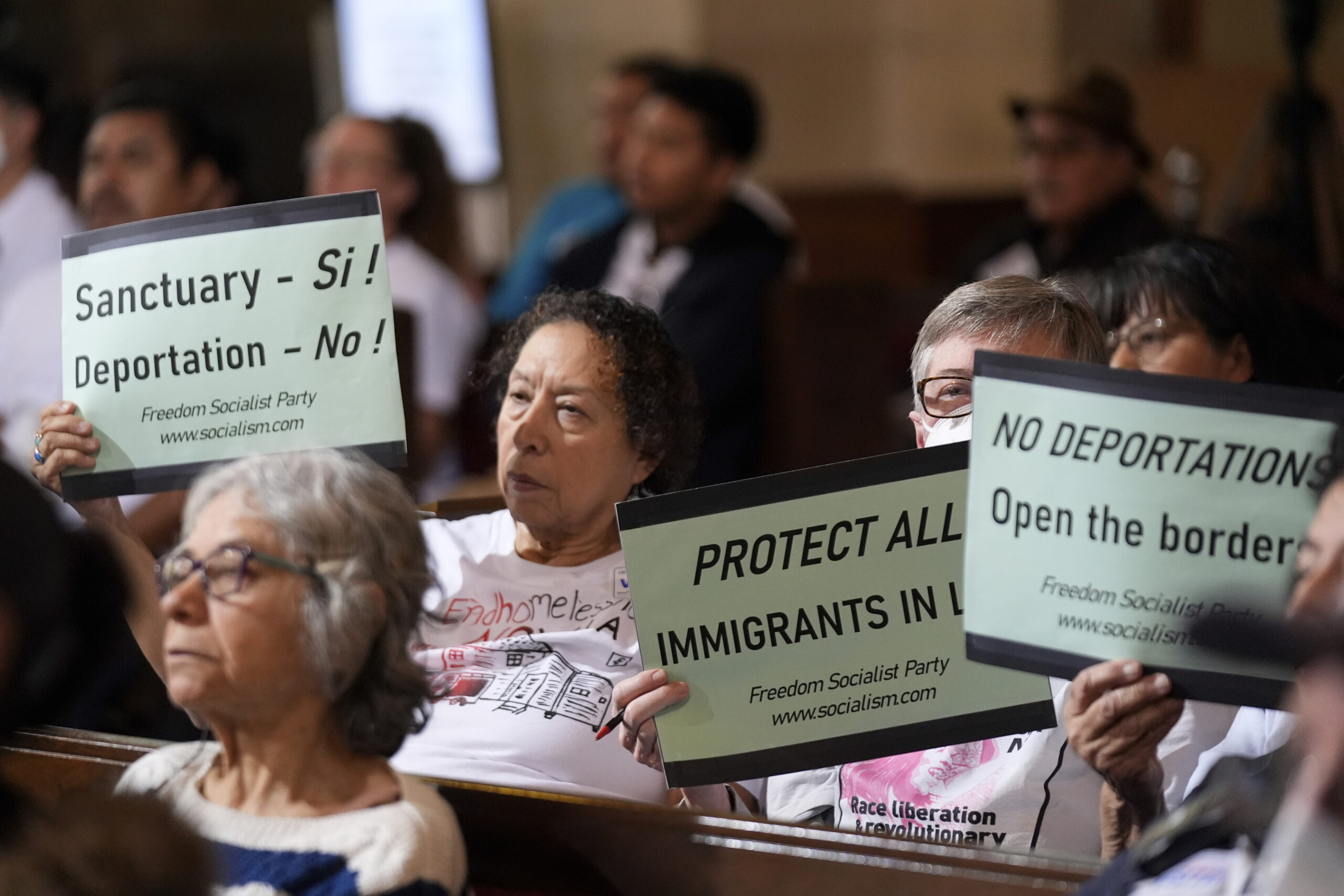
Trump Administration Intensifies Conflict with Sanctuary Cities: Federal Funding Cuts Announced
The Trump administration has taken a definitive stance against “sanctuary cities,” announcing a freeze on federal funding for states that support these jurisdictions starting February 1. This move underscores the ongoing clash between federal authorities and local governments over immigration enforcement.
What Are Sanctuary Cities?
Sanctuary cities are local jurisdictions that limit their cooperation with federal immigration authorities. They often have policies designed to protect undocumented immigrants from deportation, leading to significant debates on public safety, crime rates, and state versus federal responsibilities.
Key Points of the Announcement
-
Funding Halt: President Trump declared via social media that federal payments to states housing sanctuary cities would cease. "Effective February first, no more payments will be made by the federal government to states for their corrupt criminal protection centers known as sanctuary cities," he stated on Truth Social.
-
Speech Context: This announcement followed a speech at the Detroit Economic Club where he contended that these cities encourage crime and put American citizens at risk. "They do everything possible to protect criminals at the expense of American citizens," Trump emphasized.
- Potential Financial Impact: While the president didn’t specify which federal funding streams would be affected, he hinted at the scale, stating, "It’ll be significant."
Legal Challenges Ahead
The Trump administration’s approach is not without its obstacles:
-
Previous Court Rulings: Efforts to cut funding to sanctuary cities faced legal challenges during Trump’s first term. Many of these initiatives were blocked by court rulings, including a recent preliminary injunction by U.S. District Judge William Orrick in California.
- Constitutional Constraints: Under U.S. law, the president cannot unilaterally retract funding already appropriated by Congress. This power lies within the legislative branch, complicating the administration’s desires to penalize non-compliant states.
Ongoing Pressure on States
Despite legal hurdles, there are other tactics being employed by the administration:
-
Compliance Letters: Attorney General Pam Bondi has sent noncompliance letters to over 30 jurisdictions, including major states such as California, New York, and Illinois.
- Targeted Funding Actions: Federal agencies have started focusing on specific state funding. For example:
- The Centers for Medicare and Medicaid Services notified Minnesota of a potential $515 million quarterly Medicaid cut due to “high risk” concerns.
- The Department of Agriculture warned states that failure to provide data on SNAP (Supplemental Nutrition Assistance Program) recipients could result in the loss of administrative funds.
Conclusion
The Trump administration’s recent directive against sanctuary cities signifies a robust shift in immigration policy that underscores federal authority. As states prepare for potential funding cuts, the legal landscape surrounding this issue remains fraught with challenges. Whether these measures can be effectively implemented remains to be seen, as opposition from local governments and legal entities continues.
To stay informed on this developing story, visit credible news sources such as CNN and Reuters for real-time updates.
