


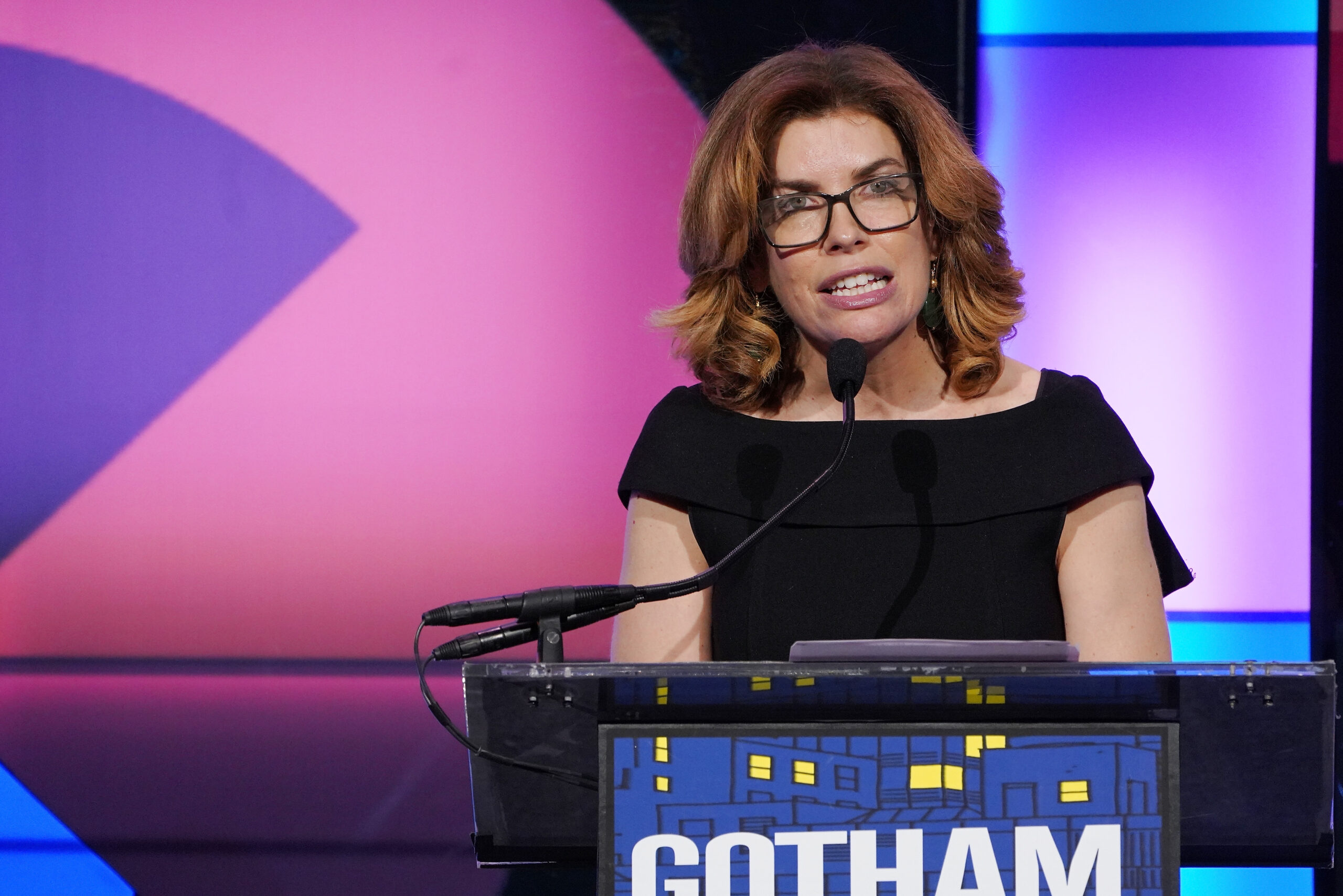
Julie Menin: The Historic First Jewish Speaker of New York City Council
In a groundbreaking moment for New York City politics, Julie Menin has become the first Jewish Individual to serve as the City Council Speaker. This elevation is part of an evolving landscape that includes several historic milestones, such as the first Democratic Socialist mayor and the first Muslim mayor. Menin’s appointment reflects a broader trend of significant firsts within the city’s governance framework.
A Moment of Pride and Responsibility
"I’m incredibly proud to be the first Jewish speaker of the City Council," remarked Julie Menin, 58, the daughter of a Holocaust survivor, during an interview with Fox 5 New York. She emphasized the importance of unity among communities during these challenging times.
“To have the first Muslim mayor and now the first Jewish speaker, I think that’s historic,” Menin added.
Balancing Ambitions in an Evolving Political Landscape
Menin, a mother of four residing on the Upper East Side, faces the tough challenge of reconciling the progressive aspirations within the City Council with the practical needs of governing New York City. Critics, including former Council Member Robert Holden, question the current administration’s direction.
- Concerns Raised:
- Holden commented, “Mamdani is putting people around him who are either socialist or out-and-out communist. That’s not a good formula for the future of New York City, the capitalist center of the United States.”
However, despite the criticism, Holden acknowledged Menin as “the best choice” for the role. She received unanimous support from her colleagues, surpassing the progressive candidate favored by Mayor Mamdani.
Legislative Priorities and Overrides
Julie Menin’s first actions as City Council Speaker involved promising to override various vetoes from former Mayor Eric Adams. Some of the key areas she aims to address include:
- Sexual Abuse Claims: An 18-month "lookback" period for victims.
- Ethics Rules for Municipal Contracting: Aimed at increasing transparency in city operations.
The priority list underscores a commitment to social justice and community safety, vital components of her agenda.
Controversies Surrounding Tenant Protections
In recent weeks, the New York City government has been criticized for the appointment of Cea Weaver as the director of the Mayor’s Office to Protect Tenants. Weaver faced immediate backlash due to her past social media remarks that suggested “impoverishing the white middle class.” In response to this controversy, Menin expressed her disapproval of Weaver’s statements, stating:
“I don’t agree with them at all,” in an interview with the New York Times.
Weaver later acknowledged that her previous comments were "regretful," asserting that her years of experience advocating for affordable housing should speak for her qualifications.
Future Initiatives and Economic Goals
Looking ahead, Mayor Mamdani aims to implement significant initiatives, such as opening city-owned grocery stores across all five boroughs. His administration has already begun discussions with the Economic Development Corporation (EDC) to make this vision a reality.
- Planned Grocery Stores:
- Opening city-owned stores to sell wholesale groceries at lower prices.
Challenges Ahead for Menin and the City Council
As Menin officially steps into her role, her key challenge will be to guide the City Council’s progressive ambitions while keeping the interests of centrist voters in mind.
“The council will go far left, and I think that’s going to drive the middle class and my constituents out of New York City,” Holden warned.
Menin’s ability to mediate between contrasting factions will play a crucial role in shaping the city’s governance moving forward.
Conclusion
Julie Menin’s ascendancy as the first Jewish City Council Speaker represents not only a personal milestone but also a pivotal moment in the history of New York City politics. Now, more than ever, her leadership will be essential in navigating the complexities of city governance during a time of pronounced social and political change.
For more insights on New York City’s evolving political landscape, visit City Council Recent Decisions.
