


Trump’s Unauthorized Operation Against Maduro Sparks Congressional Backlash
President Trump’s recent military operation aimed at arresting Venezuelan President Nicolás Maduro has ignited a fierce debate within Congress. Democratic leaders argue that the President has disregarded the War Powers Act of 1973, which requires congressional notification before engaging in military action.
The President’s Defense
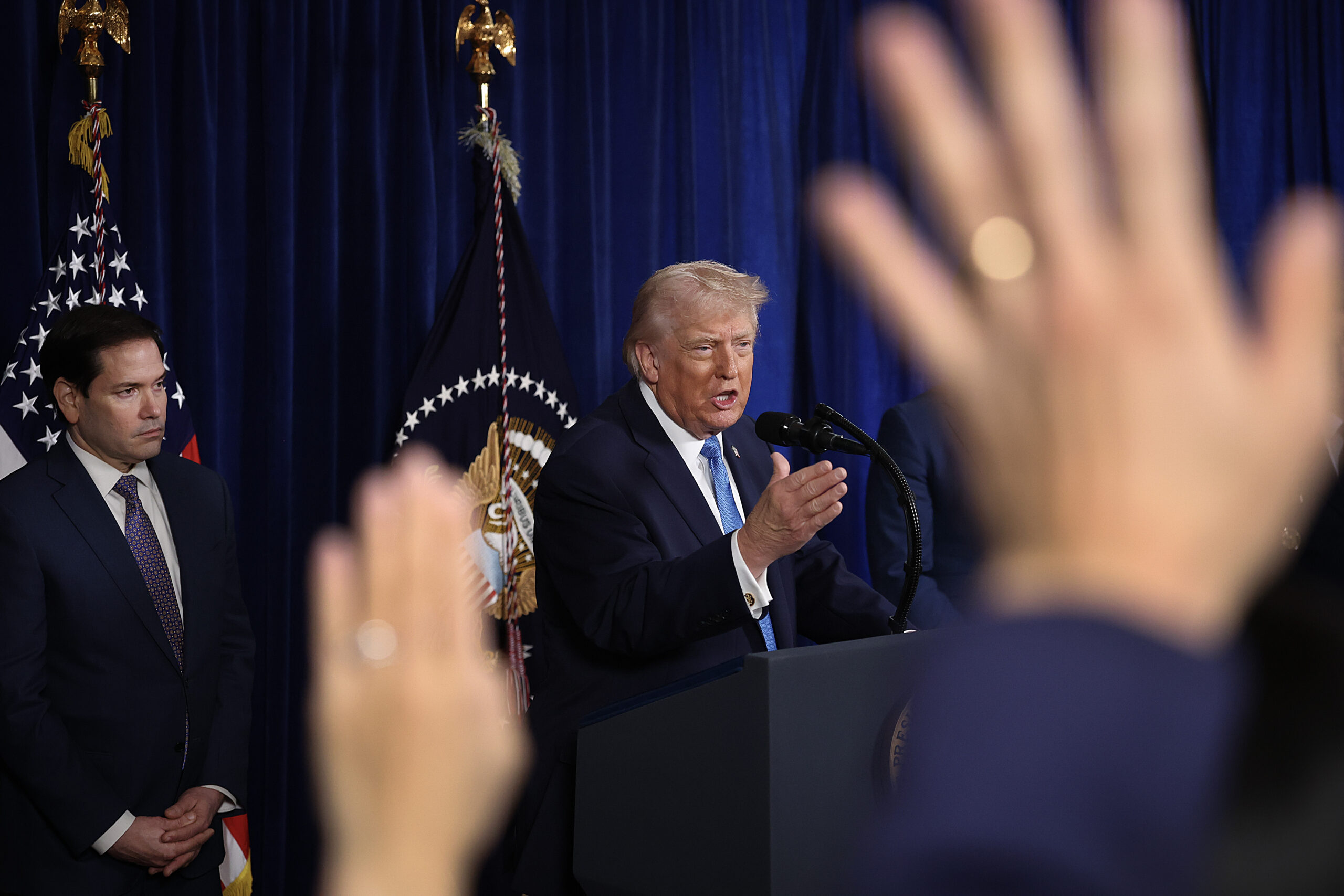
At a recent news conference at Mar-a-Lago, President Trump defended his decision, stating:
"Congress has a tendency to leak… If they leaked … I think maybe it would have been a very different result."
Impact of Congressional Notification
Trump emphasized the danger of advance notifications, suggesting they could compromise the mission’s success. Secretary of State Marco Rubio echoed this sentiment, stating:
"This was not the kind of mission that you could do congressional notification on… It was a trigger-based mission in which conditions had to be met night-after-night."
Congressional Concerns
While many in Congress express little sympathy for Maduro, they raise serious concerns about the legality of Trump’s actions. According to the War Powers Act, the President must consult Congress “in every possible instance” before introducing U.S. armed forces into hostilities.
Key Critiques from Democrats
- Nancy Pelosi, former Speaker of the House, criticized Trump for operating in “flagrant disregard” of congressional war powers.
- Jim Himes, ranking member of the House Intelligence Committee, stated:
“I have seen no evidence that his presidency poses a threat that would justify military action without Congressional authorization.”
- Adam Schiff raised questions about the potential consequences of such actions, emphasizing:
“Starting a war to remove Maduro… further erodes America’s standing on the world stage.”
The Risks of Unauthorized Action
Several Democrats pointed out the risks associated with unauthorized military action, calling it “reckless” and comparable to past conflicts like Iraq. Seth Moulton noted:
“Venezuela posed no imminent threat to the United States. This is reckless, elective regime change risking American lives.”
Senator Tim Kaine also voiced concerns about where this precedent might lead, asking whether Trump might deploy troops in various global conflicts without congressional approval.
Alternative Perspectives
In contrast, Rubio described the operation as more akin to a legal enforcement action rather than a military assault:
“At its core, this was an arrest of two indicted fugitives of American justice.”
Broader GOP Reactions
While most Republican leaders aligned with Trump, a notable dissent emerged from Thomas Massie, who questioned the legitimacy of the indictment against Maduro, pointing out:
“25 page indictment but no mention of fentanyl or stolen oil. Search it for yourself.”
Conclusion
As the backlash against Trump’s actions continues, both Democratic and some Republican voices caution against the implications of sidelining Congress in matters of military engagement. Advocates of war powers reform see this as a critical juncture for the balance of power between branches of government. As this situation unfolds, it raises significant questions about accountability, legal authorization, and the future of U.S. military interventionism.
For additional insightful analysis on the War Powers Act and its implications, explore resources at Congress.gov.
