


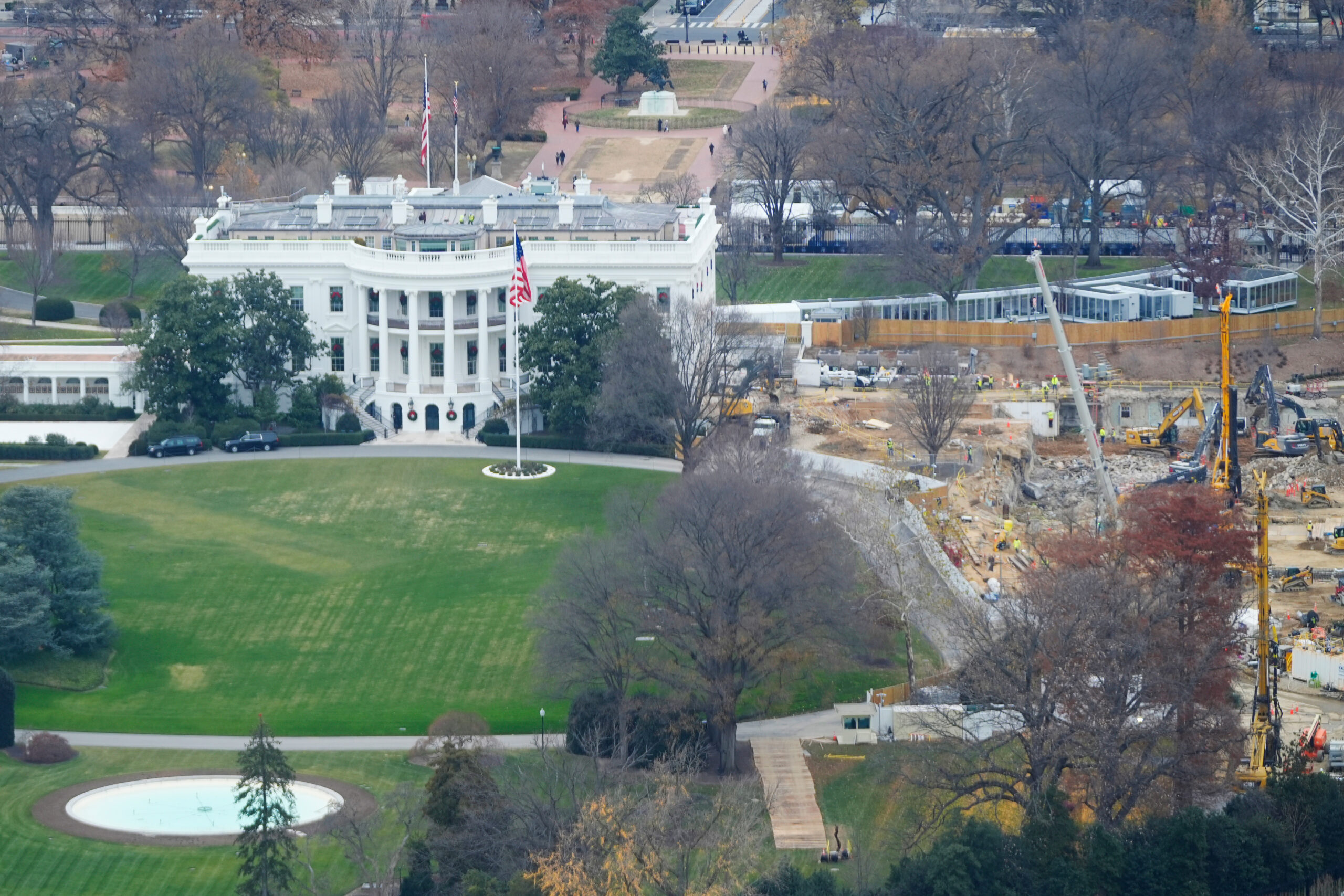
Trump Administration Unveils Plans for New White House Ballroom
The National Capital Planning Commission (NCPC) will soon examine the Trump administration’s ambitious proposal for a new ballroom intended to replace the East Wing of the White House, which has recently been demolished. This project promises to reshape government property in Washington, D.C., and will be featured prominently on the agenda for the NCPC’s upcoming meeting on January 8, 2026.
Overview of the East Wing Modernization Project
The NCPC refers to the initiative as the East Wing Modernization Project. Highlighting its significance, the project was added to the commission’s agenda alongside other notable initiatives, such as:
- A new Arabian leopard compound for the National Zoo.
- A proposed "street tree fence design" for the Smithsonian Gardens.
According to the NCPC’s official website, an information presentation will be delivered by the White House during this meeting. This presentation is a crucial initial step in the review process for the proposed ballroom.
Details On the Proposed Ballroom
The upcoming meeting provides a vital platform for the White House to clarify frequently changing details surrounding the ballroom project. President Trump has made varying statements regarding the specifications:
- Initial Description: In July, the ballroom was described as a 90,000-square-foot facility designed to accommodate 650 guests.
- Increased Capacity: By September, this capacity was expanded to 900, and subsequently, to 999 attendees.
As part of the evolving project, President Trump recently appointed a new architectural firm, Shalom Baranes, to oversee the design. This decision came after previous architect James McCrery II reportedly faced disagreements with the administration regarding the ballroom’s specifications.
Controversy Over Demolition
Work on the project commenced abruptly on October 20 with the demolition of the East Wing, which had served as the residence for first ladies and their staff since 1977. This decision has raised eyebrows, prompting a lawsuit from the National Trust for Historic Preservation. The suit argues that federal laws were breached as the administration moved forward without conducting necessary public or congressional reviews.
In a recent ruling, a judge appointed by George W. Bush stated that, due to security concerns from the Secret Service, construction could proceed as long as detailed plans are submitted to both the NCPC and the U.S. Commission of Fine Arts by December 31. However, it remains uncertain whether the judge will find the January presentation satisfactory.
What to Expect at the January Meeting
It’s important to note that no formal vote regarding the project will take place at the January 8 meeting, nor will public testimony be accepted at this early stage. The NCPC emphasizes that:
- This meeting allows project applicants (the White House) to present their proposal.
- Commissioners can ask questions and offer general observations prior to a thorough review anticipated later in the spring.
For those interested in getting involved, there will later be opportunities for the public to submit written comments or testify regarding the project.
NCPC’s Authority Limitations
The NCPC confirmed that while they will review the construction plans for the ballroom, they do not have authority over the demolition of the East Wing. According to the NCPC:
"NCPC does not review the demolition of buildings or general site preparation. The National Capital Planning Act does not give the Commission authority over demolitions."
This means that although they will examine new construction elements, they are not accountable for the recent demolition of the East Wing.
Conclusion
The upcoming presentation at the January NCPC meeting marks a pivotal moment for the East Wing Modernization Project. As discussions unfold, the details surrounding the proposed ballroom will be scrutinized, paving the way for future public engagement and formal reviews. For ongoing updates, interested individuals can follow this link for further information on how to participate in the review process.
