

Complete Blockade on Venezuelan Oil Tankers: A U.S. Strategy to Pressure Maduro
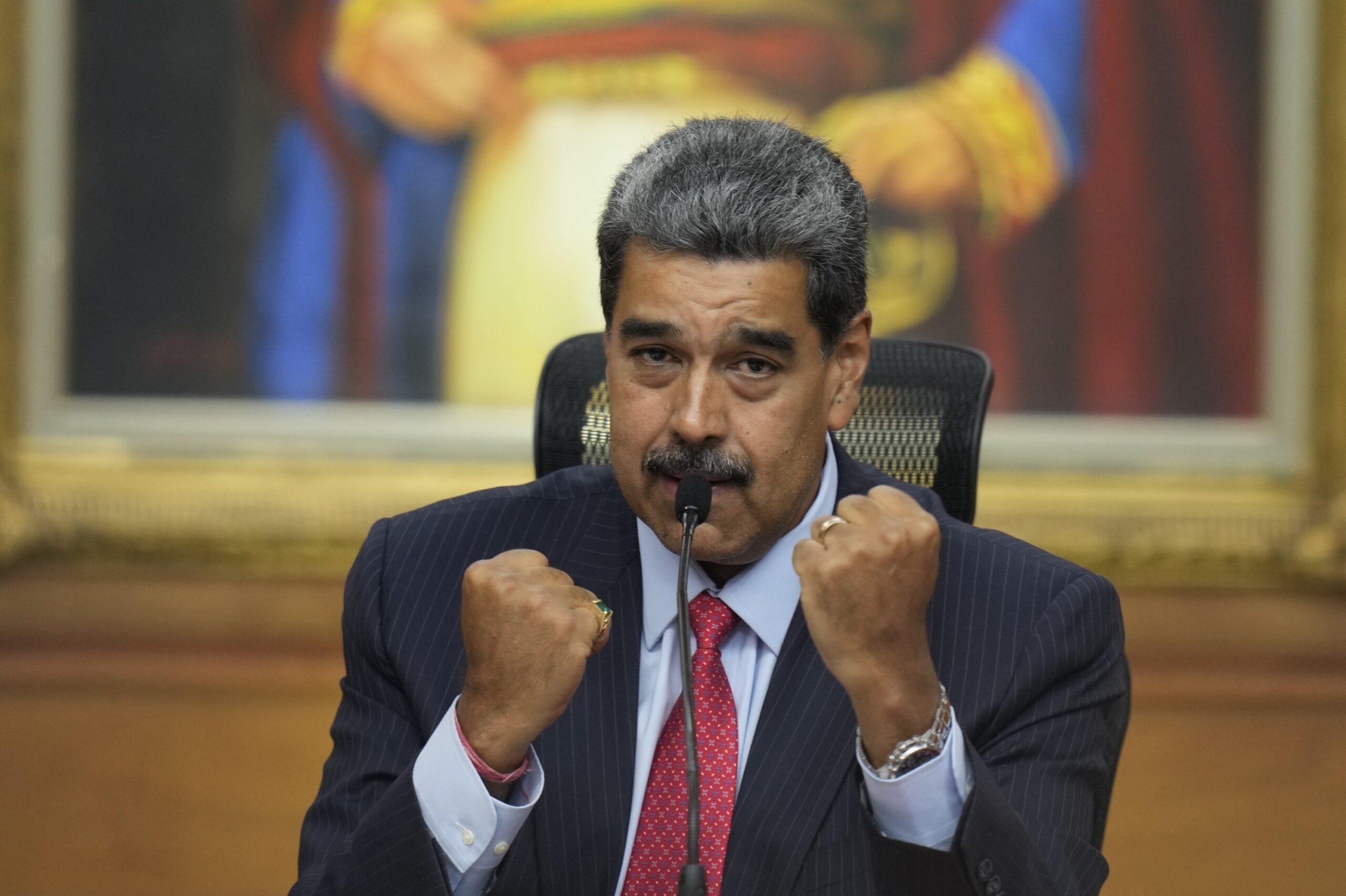
President Trump has initiated a "total and complete blockade" on specific oil tankers linked to Venezuela, intensifying efforts to prompt President Nicolás Maduro to resign. This move, part of a broader pressure campaign, aims to cut off Venezuelan oil exports and isolate the regime further on the international stage.
Overview of the Blockade Announcement
In a recent post on Truth Social, Trump declared his intention to implement stringent measures against vessels transporting oil to and from Venezuela. This announcement coincided with briefings from Secretary of Defense Pete Hegseth and Secretary of State Marco Rubio to senators, reinforcing the U.S. military’s ongoing campaign against illicit operations in the Caribbean.
- Key Statements from Trump:
- "Venezuela is completely surrounded by the largest Armada ever assembled in the History of South America."
- Emphasized the importance of reclaiming "all of the Oil, Land, and other Assets" that Maduro’s regime allegedly took from the U.S.
Military Preparations and Actions
The U.S. Southern Command has mobilized an unprecedented number of military assets in the region, signaling serious preparations for the blockade. Notably, the U.S.S. Gerald Ford, an aircraft carrier, has been deployed to the southern Caribbean—a move not seen since the Haiti intervention in 1994.
Recent Military Actions
- The U.S. recently seized an oil tanker belonging to a company under sanctions.
- Defense officials confirmed that strikes targeting drug boats in the Caribbean will continue unabated.
Congressional Oversight and Concerns
As the blockade unfolds, calls for increased congressional oversight are likely to amplify. Lawmakers are demanding transparency regarding military operations and the scope of the blockade.
Implications for Oil Companies
Specific oil companies are expected to be heavily scrutinized under these new regulations. The most likely candidates for sanctions include:
- Petróleos de Venezuela (PDVSA): The state-owned oil company facing multiple U.S. sanctions.
- Smaller firms that were recently targeted by the Treasury Department.
Updates on which firms may have their tankers seized have yet to be clarified by the White House.
Security and Criminal Concerns
Trump’s remarks also touched on the perception of security threats posed by the Maduro regime. He stated:
“The Illegal Aliens and Criminals that the Maduro Regime has sent into the United States are being returned to Venezuela at a rapid pace.”
This rhetoric frames the blockade as part of a broader strategy to enhance national security while combating terrorism, drug smuggling, and human trafficking.
Conclusion
The U.S. blockade on Venezuelan oil tankers marks a pivotal chapter in the ongoing struggle against Maduro’s regime. With significant military assets deployed and a clear commitment to enforcing maritime restrictions, Trump’s administration aims to tighten the noose around Venezuela, seeking to reclaim U.S. assets and reassert control over the region.
For continued updates and analysis on U.S.-Venezuelan relations and the implications of the blockade, visit The Conversation for more in-depth insights.
Stay informed on the latest developments regarding U.S. foreign policy and military strategies by checking reliable news sources.
