


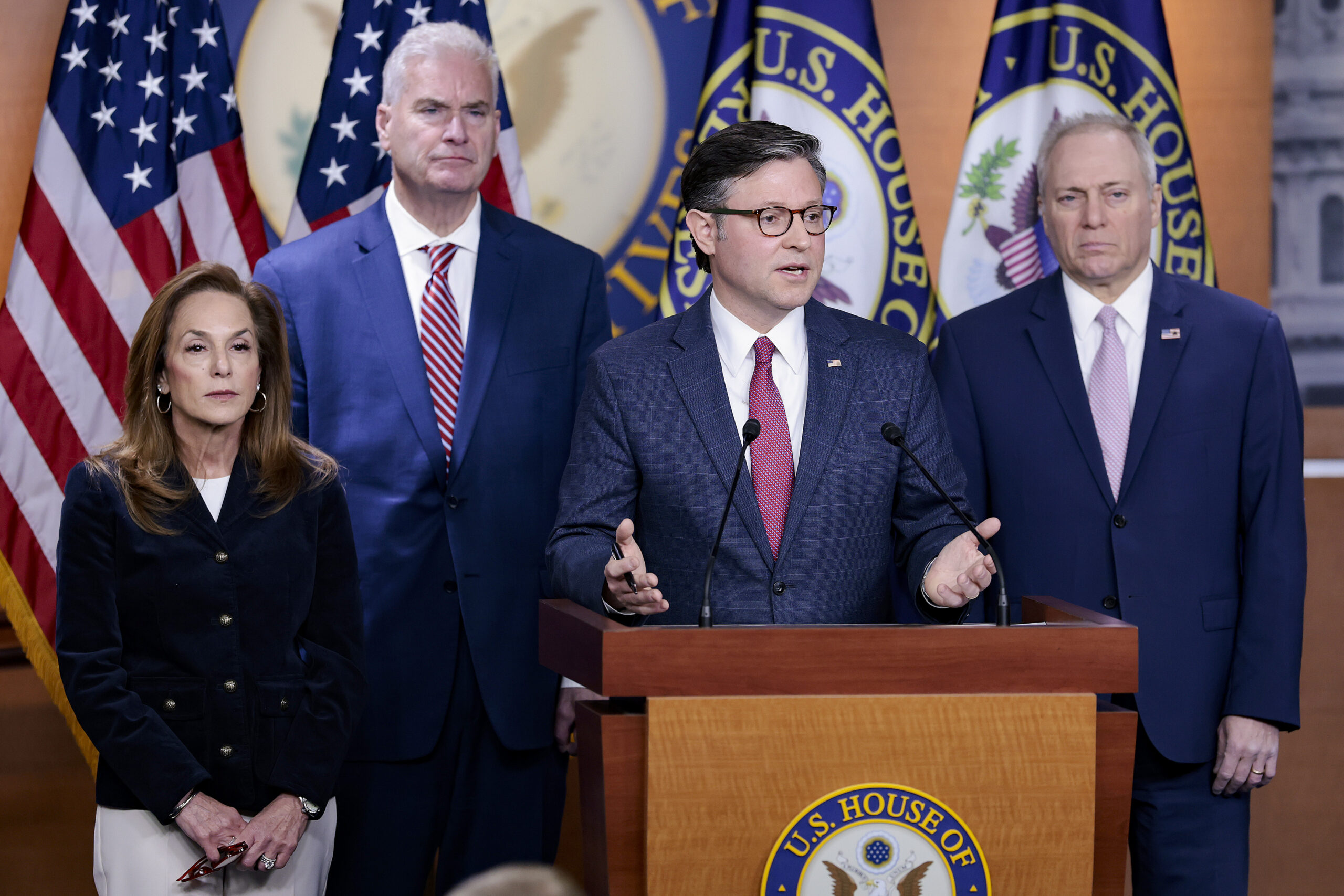
House of Representatives Poised to Vote on ACA Subsidy Extension
The House of Representatives is gearing up for a significant vote early next year concerning the extension of health insurance subsidies established during the Biden administration. This upcoming decision comes after Speaker Mike Johnson faced pushback from several moderate Republican members, leading them to ally with Democrats.
Key Issues Surrounding ACA Subsidies
The potential lapse of enhanced premium tax credits for the Affordable Care Act (ACA) exchanges has been a focal point in Washington, D.C., for several months. Discussions had intensified as Democrats sought to include a subsidy extension in broader legislation—the Big Beautiful Bill Act—though Speaker Johnson opposed this approach. Efforts by Democrats to leverage a government shutdown as a means to advance their agenda also proved unsuccessful.
As it stands, the enhanced tax credits are set to expire in January, raising alarms for millions of Americans who rely on these subsidies for affordable healthcare.
Turning Point on the House Floor
On a recent Wednesday, tensions mounted as both parties gathered to vote on a procedural measure enabling discussions of various bills. While Republican leadership aimed to maintain party unity, four GOP members surprised many by supporting a proposal for a three-year extension of ACA subsidies backed by Democrats.
- Supporting Members:
- Congressman Mike Lawler (NY)
- Congressman Kevin Kiley (CA)
- Congressman Ryan Mackenzie (PA)
- Congressman Brian Fitzpatrick (PA)
The bill, crafted by House Minority Leader Congressman Hakeem Jeffries, was introduced as a "discharge petition." This procedural tool can force a vote if it collects 218 signatures, which it has now accomplished, triggering a vote once Congress reconvenes in January.
Growing Frustration with Leadership
Lawler’s outspoken criticism of Johnson’s leadership underscored the frustrations felt among some Republican members. “I am pissed for the American people,” Lawler stated, voicing concerns over the lack of initiative in addressing healthcare affordability. His sentiments reflect a broader dissatisfaction, as many Americans are increasingly worried about the rising costs of living, especially in healthcare.
Kiley also accused Johnson of misrepresenting the legislative process, claiming that he had prepared an appropriate amendment, which Johnson subsequently ruled out of order.
Impact on Millions of Americans
Without the extension of ACA subsidies, it’s estimated that over 20 million Americans could see significant increases in their health insurance premiums as early as 2026. Polls consistently indicate that healthcare affordability is one of the top concerns for voters, making the outcome of this potential vote even more critical.
Johnson Responds to Criticism
Despite the dissent within his ranks, Speaker Johnson asserted that this minor revolt does not signify a broader issue of trust among Republican members in Congress. "I have not lost control of the House," he remarked. “We have the smallest majority in U.S. history. These are not normal times.”
Next Steps: Looking Toward the Senate
Once the House votes to extend the ACA subsidies—an outcome likely if the four GOP members maintain their support—the Senate will address the measure. However, the proposed bill will require amendments to secure the 60 votes needed to progress.
Former President Donald Trump has not specified his stance on the subsidy extension but has previously expressed a desire to halt federal subsidies for health insurance companies altogether.
Conclusion
As the vote on the ACA subsidy extension approaches, both parties are on alert. With millions of Americans’ healthcare coverage hanging in the balance, the implications of this legislation could be far-reaching. Continued public pressure on Congress to prioritize healthcare affordability remains strong—a narrative that will likely shape the political landscape as the new year unfolds.
For ongoing updates regarding the ACA subsidies and their impact, follow the latest discussions and analyses on this critical issue.
