


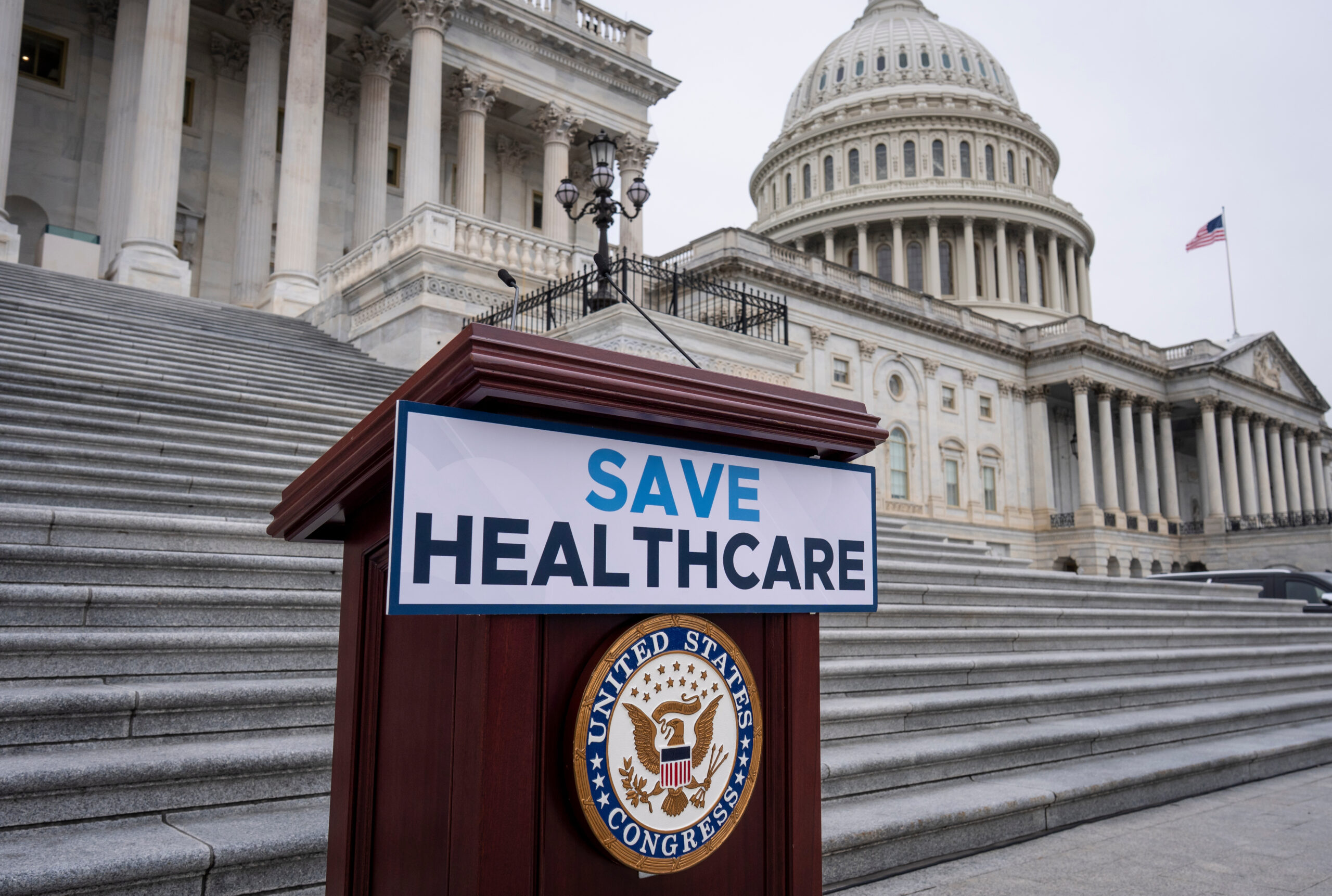
Bipartisan Stalemate on Health Insurance Premiums: What Lies Ahead?
As the end of the year approaches, bipartisan efforts to avert a substantial increase in health insurance premiums have hit a deadlock. Leaders from both the Democratic and Republican parties have urged their members to remain aligned with party lines, effectively stalling two proposed bipartisan bills aimed at extending critical subsidies under the Affordable Care Act (ACA).
The Impending Premium Spike
-
What’s at Stake?
Health care costs are expected to surge in the coming year. This increase follows a Republican decision not to renew ACA tax credits that were previously established during President Biden’s administration. - Expiration of Subsidies
The Democratic-led Inflation Reduction Act, which was introduced over three years ago, stipulates that these essential subsidies will end at the close of 2025.
Government Shutdown Over Subsidies
Attempts to secure funding for the government were tied to negotiations regarding subsidy extensions. Democrats took a bold step, temporarily shutting down the government to pressure Republicans to agree on maintaining tax credits. Unfortunately, no bipartisan agreement was reached, and the government reopened without substantial progress on health care issues.
Political Responses
Following the impasse, smaller coalitions of lawmakers from both parties began discussing extending the tax credits before the year’s end. However, both Speaker Mike Johnson and House Minority Leader Hakeem Jeffries have resisted broader consensus.
"From the very beginning, Republicans have made their intentions clear: They don’t want to see the Affordable Care Act tax credits extended," stated Mr. Jeffries during a briefing at the Capitol.
Proposed Solutions and Sticking Points
Diverging Party Positions
-
Democratic Proposal
Jeffries asserts that the House should have a straightforward “up-or-down vote” on extending the subsidies, yet Johnson has denied this request. -
Republican Engagement
Congressman Brian Fitzpatrick, a Republican from Pennsylvania, underscored the urgency of the matter, emphasizing the real-life implications for constituents. His bipartisan bill has garnered support from 12 Republicans and 12 Democrats. - Alternative Legislation
Another initiative by Democratic Congressman Josh Gottheimer and Republican Congresswoman Jen Kiggans is backed by 40 members from both parties, indicating a potential pathway for compromise.
"It’s a time-sensitive matter, and it’s an existential matter," Fitzpatrick emphasized, pointing out that many lawmakers seem disconnected from the needs of their constituents.
The Current Legislative Landscape
Despite these efforts, Johnson and Jeffries remain firmly entrenched in their respective positions.
-
Democratic Stance
"We have a unified Democratic position — all 214 House Democrats have made clear: the best path forward is a straightforward extension of the subsidies," said Mr. Jeffries. - Upcoming Votes
Johnson plans to introduce his reform bill, likely passing it along party lines, but it’s seen as “dead on arrival” in the Senate due to its lack of bipartisan support. A similar bill from Senator Bill Cassidy recently failed to gain any Democratic backing.
Trump Weighs In
Former President Donald Trump has publicly sided with congressional Republicans over this issue. In a recent address to reporters, Trump expressed his preference for the subsidies to expire, stating:
“I’d like to see the people get the money rather than the insurance companies.”
Trump criticized the ACA, alleging it primarily benefits insurance companies, which he claims are making substantial profits.
Conclusion: A Critical Juncture
The ongoing debate over health insurance premiums and subsidies highlights significant political divides. As both parties dig in their heels, millions of Americans await clarity on their health care costs in the coming year.
For more information on health care subsidies and the Affordable Care Act, please visit Healthcare.gov and Kaiser Family Foundation.
By navigating these complex legislative dynamics, lawmakers will ultimately decide the fate of health care affordability in America. The next few months will be crucial for shaping the landscape of health insurance in the nation.
