


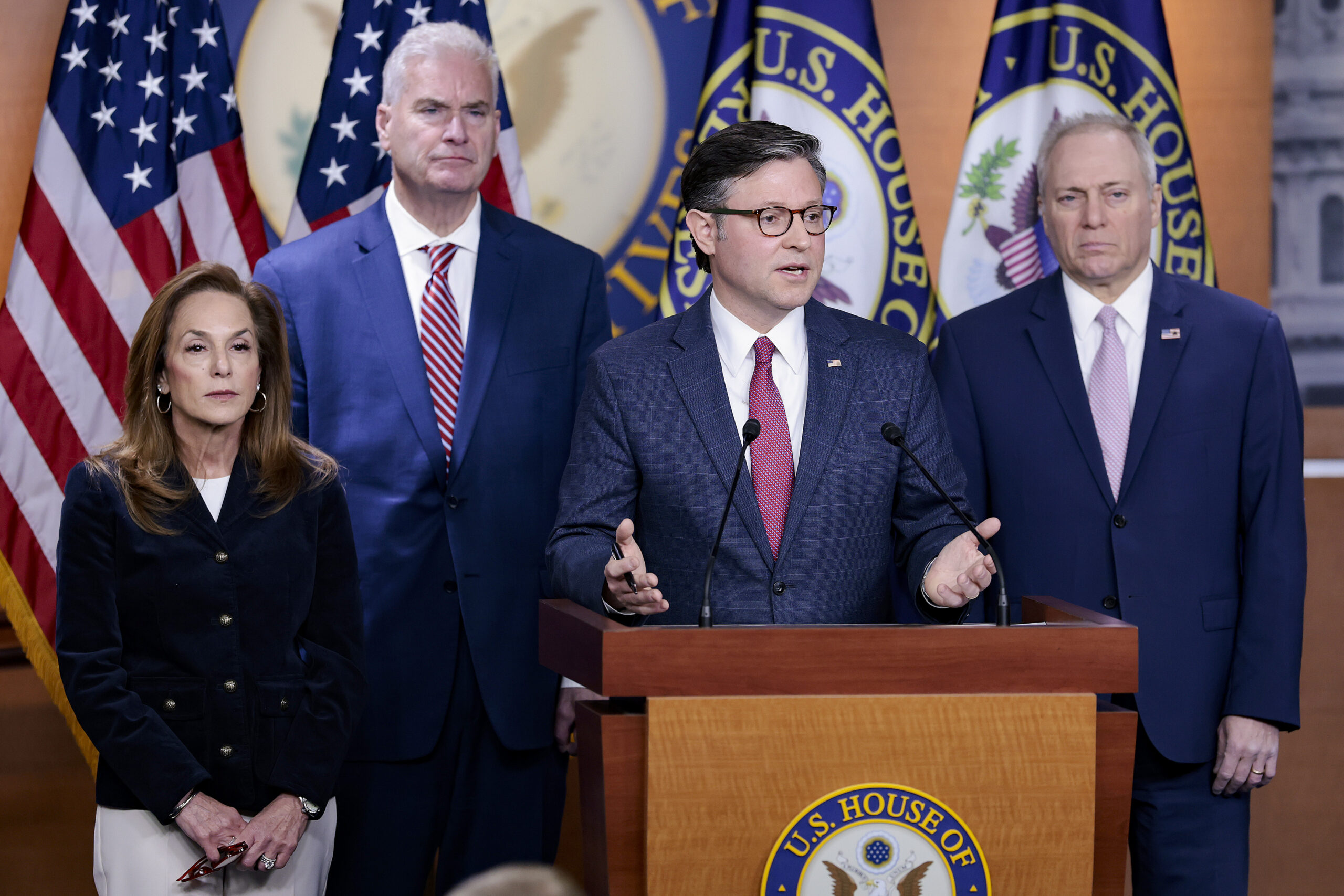
Intensified Push for Bipartisan Health Care Tax Credits Amid Looming Deadline
As the holiday season approaches, Speaker Mike Johnson faces increasing pressure from lawmakers on both sides of the aisle regarding the extension of health care tax credits established during the Biden administration. While Johnson has labeled this an issue best addressed in December, the clock ticks down with no clear bipartisan resolution in sight.
The Urgent Situation for Millions
The health care tax credits, which are set to expire at the end of the year, could have a dramatic impact on over 20 million Americans. Without an extension, many are likely to see significant increases in their health insurance premiums — a situation that can create considerable strain on households nationwide.
Bipartisan Efforts to Force a Vote
On Wednesday, a coalition of Republicans and Democrats took a significant step by initiating a discharge petition. This legislative maneuver aims to bring the health care tax credit bill directly to the House floor, bypassing Speaker Johnson’s control. The objective is clear: to achieve a bipartisan solution before it’s too late.
-
Discharge Petition Mechanics: For the petition to succeed, it requires the support of a majority of the House, specifically 218 members.
- Current Backing: As of the latest update, eight members — six Republicans and two Democrats — have already signed the petition.
Key Players and Proposed Legislation
The proposed measure comes from a unique bipartisan partnership:
- Republican Congressman Brian Fitzpatrick of Pennsylvania, representing one of the few GOP districts that voted for Vice President Kamala Harris, and
- Democratic Congressman Jared Golden, who has announced plans to retire next year and comes from a district won by President Trump.
Fitzpatrick’s Perspective
“It’s a time-sensitive matter, and it’s an existential matter for people back home,” Fitzpatrick stated, emphasizing the urgency of the situation. He criticized lawmakers who may not be fully in tune with their constituents’ needs.
Diverging Approaches
While the bipartisan effort seeks to extend the subsidies for an additional two years with adjustments to drug pricing and health savings accounts, Democrats are advocating for a clean, three-year extension of the subsidies without additional reforms.
The Democratic Stance
- House and Senate Leadership: Both the House and Senate Minority Leaders back a straightforward extension without income caps or oversight reforms.
- Dissatisfaction with Process: Golden expressed frustration, indicating that if Johnson does not facilitate a fair process, individual members may take matters into their own hands.
Potential Senate Response and Republican Hesitations
The prospects of a Senate reaction hinge on whether the House can pass the bipartisan bill. While senators may take interest, many Senate Republicans argue for stricter regulations on the subsidies.
Upcoming Votes in the Senate
On Thursday, the Senate will be voting on:
- A clean three-year extension proposed by Senator Chuck Schumer.
- A Republican alternative that overlooks subsidy extensions, prioritizing health savings account expansions instead.
Next Steps
Should the discharge petition successfully gather enough signatures, Speaker Johnson will be required to bring it to the floor within 48 hours. The urgency is palpable as lawmakers from both parties recognize the need for action.
Key Takeaways
- 20 million Americans at risk of premium increases if tax credits are not extended.
- Bipartisan factions have united to push a legislative agenda to benefit their constituents.
- As the deadline looms, pressure mounts on Speaker Johnson and congressional leaders to act.
For detailed updates on the health care tax credits debate, visit Politico or Congress.gov.
The outcomes of this legislative effort could have lasting effects on the health care landscape, making it crucial to stay informed as developments unfold.
