


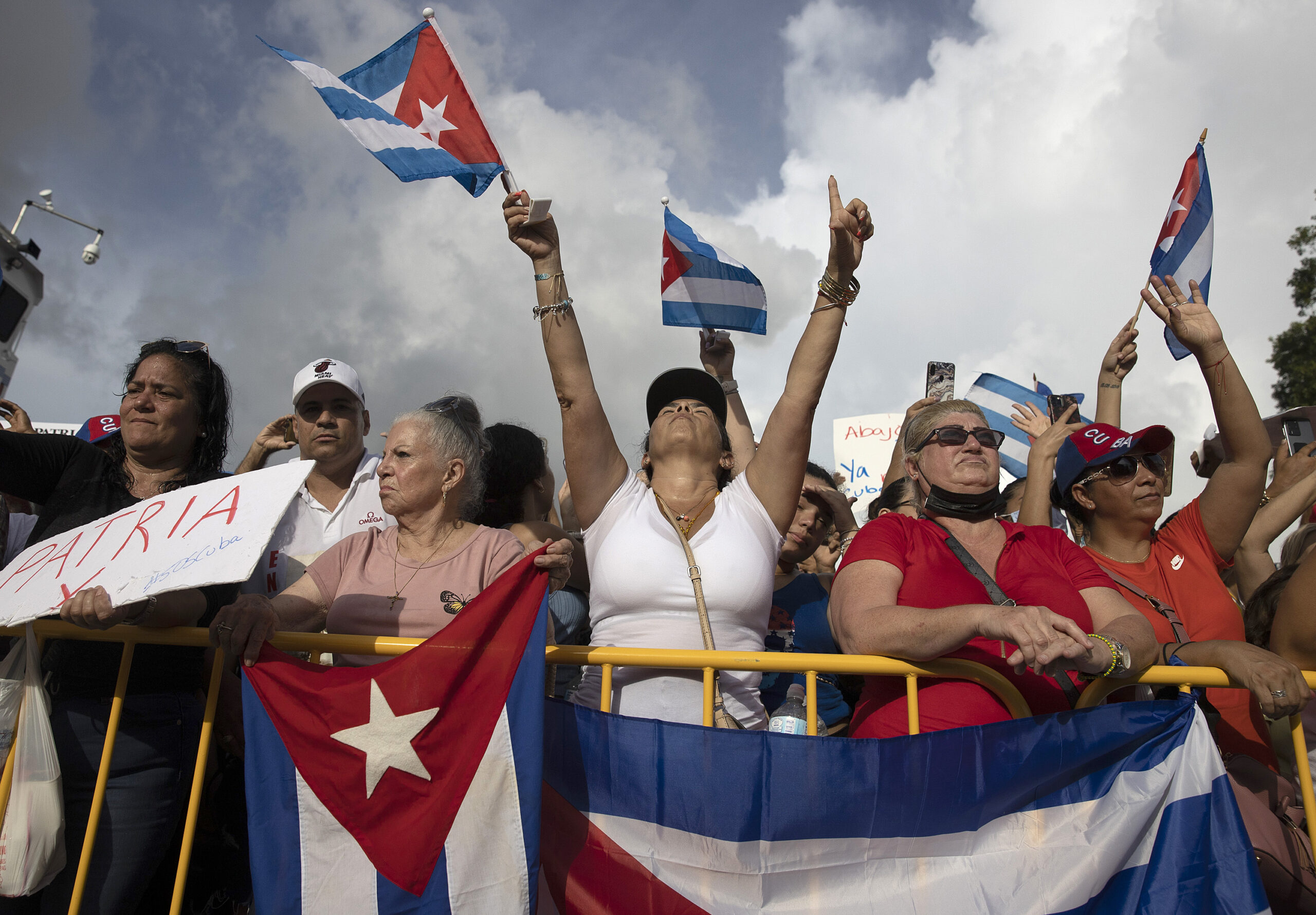
Miami Mayoral Election: A Pivotal Moment for Hispanic Voters and the Democratic Party
In a significant upcoming event, Miami residents are set to head to the polls on Tuesday to select a new mayor, potentially marking a transformative moment for how Hispanic voters perceive the Trump administration.
Key Election Overview
The recent election in Miami has drawn considerable attention due to the possibility of electing the city’s first Democratic mayor since 1997.
Background of the Election
- First Round Summary: The first round took place in November, resulting in a runoff because no candidate secured a majority.
- Candidates:
- Eileen Higgins: Democratic former county commissioner
- Emilio Gonzalez: Republican former city manager
Polling data shows Ms. Higgins with a commanding lead, ahead by 26 points according to a recent survey by MDW Communications.
Central Issues in the Race
Both candidates have focused on two primary concerns:
- Affordability: Housing costs in Miami skyrocketed by more than 50% over the past five years, prompting urgent discussions about economic stability.
- City Governance: Voter dissatisfaction with the city council’s recent dysfunction has also taken center stage.
Ms. Higgins’ Stance on Immigration
Ms. Higgins has been vocal in her opposition to President Trump’s immigration policies, emphasizing their negative impact on both the community and the economy.
“I’m very concerned with what’s happening in the city of Miami,” Ms. Higgins stated during a debate, highlighting that immigration enforcement has affected many innocent individuals.
She referenced the elimination of Temporary Protected Status for Venezuelans as particularly troubling, indicating the administration’s focus on broader deportation practices.
Demographics and Voter Trends
According to the 2020 Census, Miami stands out as the fourth-largest city in America with a majority-Hispanic population—over 70% of its residents have Hispanic roots. The city’s voting dynamics have seen significant shifts, illustrated by:
- In 2016, Hillary Clinton won by 40 points.
- In contrast, Vice President Kamala Harris narrowly prevailed in 2020 by less than 1%.
This trend reflects a broader movement of Latino voters aligning more with the GOP in recent years.
President Trump’s Influence
Notably, former President Trump has endorsed Emilio Gonzalez, urging Miamians to support him via a post on Truth Social.
“Miami’s Mayor Race is Tuesday. It is a big and important race!!! Vote for Republican Gonzalez,” he wrote, highlighting the race’s significance for the GOP.
Potential Impact on the 2022 Midterms
A Democratic victory in a city with a sizeable Hispanic population would resonate far beyond Miami. It could set the stage for critical wins in the upcoming midterm elections, similar to victories noted in nearby states like Virginia and New Jersey.
Shifts Among Hispanic Voters Nationwide
Recent elections have shown a fluctuating allegiance among Hispanic voters:
- In New Jersey, Democratic candidate Mikie Sherrill experienced 70-point swings in heavily Hispanic precincts compared to the previous presidential election.
- Republicans expected a steady rightward shift in Hispanic voting patterns, but recent evidence suggests a possible regression toward Democratic support, particularly in Texas.
The Stakes for Republicans
The implications of changing voter demographics could deeply impact Republican strategies in Florida.
- Governor Ron DeSantis is preparing for a potential special session to redraw congressional maps, reflecting concerns over Hispanic voter engagement for the Republican Party in light of shifting sentiments in South Florida.
Concerns for Republican Congress Members
Should the Democratic momentum continue among Hispanic voters, it poses significant risks for Republican leaders who may find their electoral foothold in jeopardy.
Conclusion
The Miami mayoral election serves as a critical bellwether for the Democratic Party’s engagement with Hispanic voters and may redefine political alignments as we move further into the midterms. As the election unfolds, all eyes will be on the voter turnout and the potential implications for both local and national politics.
For more insights on voter demographics and political trends in America, explore sources such as the Pew Research Center and other political analysis platforms.
