


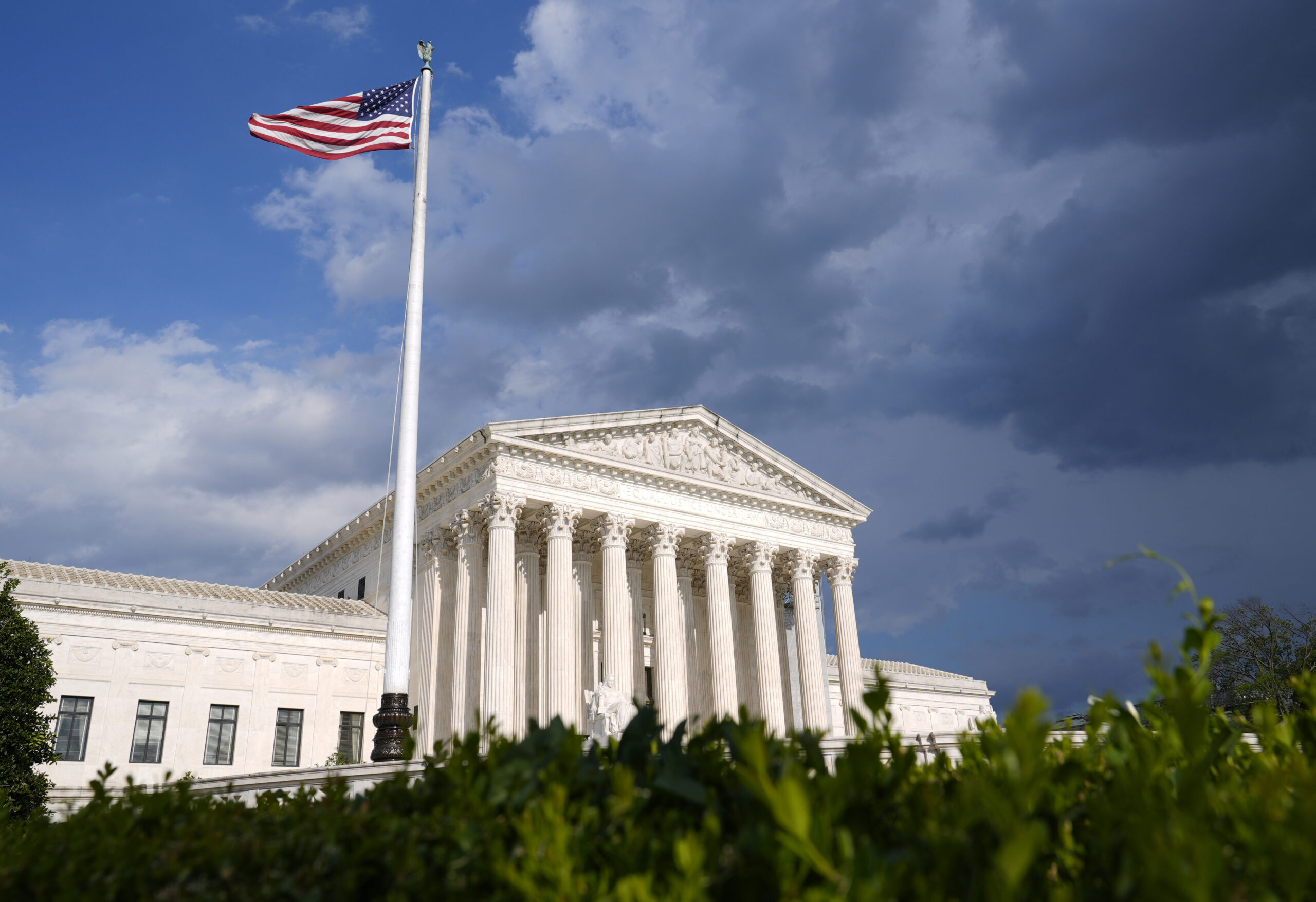
Supreme Court Affirms Texas Congressional Maps for 2026 Elections
The U.S. Supreme Court has greenlit Texas’s newly drawn congressional maps for the upcoming 2026 elections, a decision disclosed in an order on Thursday night. This ruling is pivotal as it shapes the landscape of the House majority amidst indications of a Democratic advantage in future midterms.
Key Details of the Decision
Overview of the Ruling
- Vote Distribution: The Supreme Court’s decision was passed with a 6-3 majority, with all conservative justices supporting the move to implement the new maps.
- Background: The maps, designed to reinforce the GOP’s House majority, faced initial rejection by a Texas judicial panel. Notably, the judge who issued the ruling against the maps was appointed by former President Trump.
Legal Perspectives
As Texas Attorney General Ken Paxton stated on social media platform X, “In the face of Democrats’ attempt to abuse the judicial system to steal the U.S. House, I have defended Texas’s fundamental right to draw a map that ensures we are represented by Republicans.”
The Supreme Court criticized the district court’s previous decision, asserting that it "improperly inserted itself into an active primary campaign, causing much confusion and upsetting the delicate federal-state balance in elections."
Dissenting Opinions
Justice Elena Kagan, alongside Justices Sonia Sotomayor and Ketanji Brown Jackson, dissented from the majority view, arguing that the new Texas map violated the Fourteenth and Fifteenth Amendments. Kagan contended that the Court ignored crucial standards related to race in districting, stating, "Today’s order disrespects the work of a District Court that did everything one could ask to carry out its charge."
Implications for the 2026 Elections
Targeting Hispanic Voters
Texas Republicans are particularly focused on engaging Hispanic voters, crucial to flipping five congressional districts. Their success hinges on these voters maintaining or increasing their support for the GOP. A shift back toward Democrats, akin to trends seen recently in Virginia and New Jersey, could alter this trajectory, limiting Republicans to potentially gaining only three seats in Texas.
Comparison with Other States
- California: In response to Texas’s redistricting, California Democrats have also crafted maps aimed at reducing Republican representation, effectively neutralizing some of Texas’s political maneuvers.
- Midwestern States: Discussions are also underway in states like Ohio, North Carolina, and Missouri, where Republicans are looking to redraw congressional lines to enhance their seat count.
Future of Redistricting Across the U.S.
State-Level Changes in Focus
- Indiana: The Indiana Republican Party is contemplating a new map that could eliminate two Democratic seats, though party support remains uncertain.
- Virginia: Democratic leaders have initiated plans to eliminate four of their five Republican seats, highlighting the state’s proactive stance on redistricting.
Uncertain Outcomes in Florida and the Supreme Court
The focus is now turning to how Florida Republicans will redraw their maps. Additionally, the potential impact of future Supreme Court rulings on the Voting Rights Act could significantly influence seat distribution in Southern states.
Conclusion
The Supreme Court’s recent decision has solidified Texas’s congressional maps for the upcoming elections, setting the stage for a contentious midterm battle. As both parties navigate the shifting political landscape, strategic redistricting will play a crucial role in shaping party dynamics across the nation.
For more on redistricting impacts and political strategies, visit USA Today and Politico.
