


Tensions Rise Over U.S. Military Actions in Caribbean Drug Operations
Overview of Recent Events
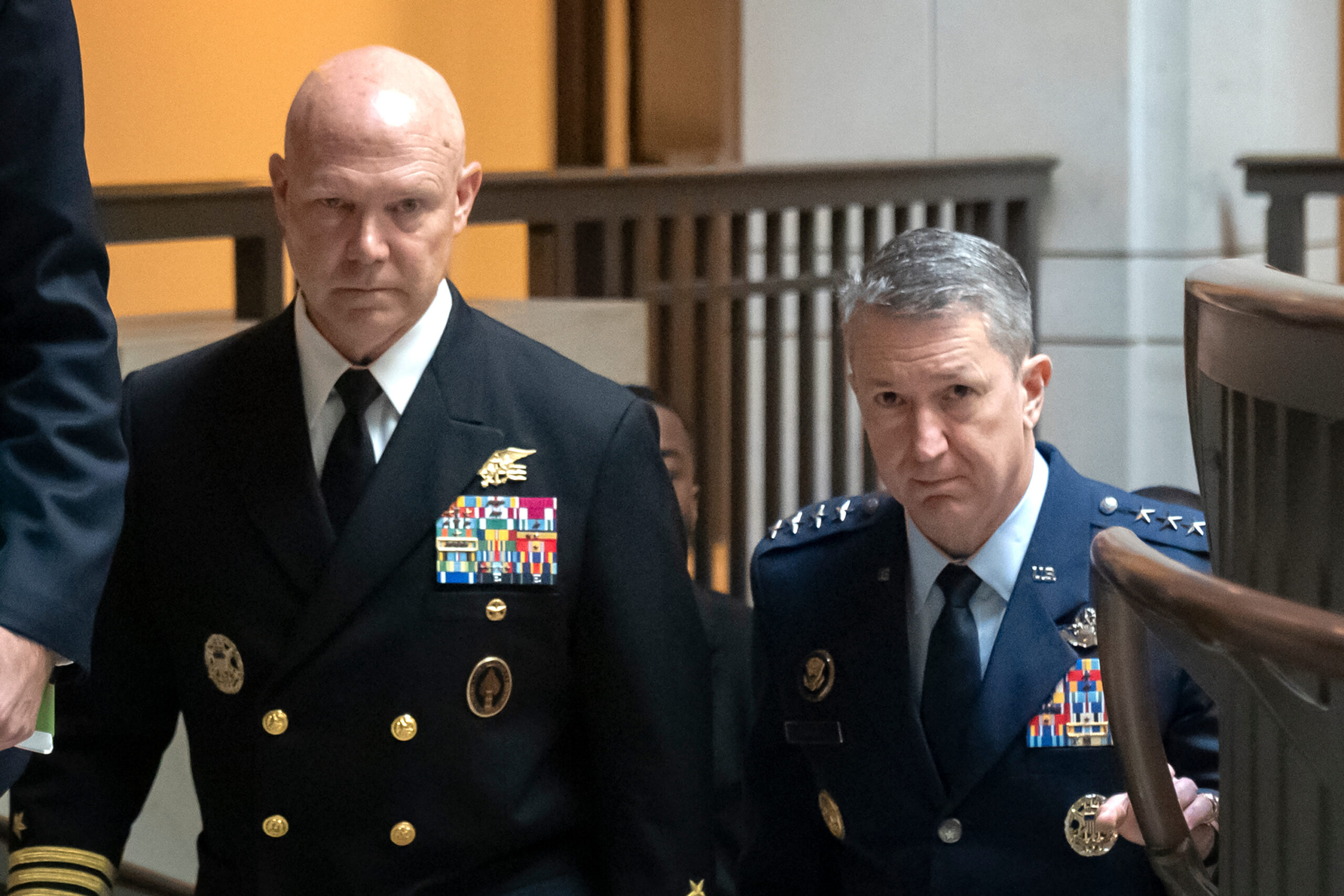
The head of U.S. Special Operations Command, Admiral Mitch Bradley, recently addressed senators in a closed-door session regarding controversial military strikes in the Caribbean on September 2. The discussion focused on allegations surrounding Secretary of Defense Pete Hegseth’s orders related to the eradication of drug-smuggling boats.
Key Points from Admiral Bradley’s Briefing
- No "Kill All" Orders: Admiral Bradley confirmed that he did not receive any directive from Secretary Hegseth to "give no quarter" or to eliminate survivors from a targeted boat strike. This statement counters prior allegations made public by the Washington Post.
- Context of Operations: The strikes were part of ongoing military operations aimed at combatting drug trafficking in the Caribbean, where threats to U.S. borders remain a critical concern.
Background on September 2 Strike
- The controversial operation involved a first strike that rendered a boat incapacitated, purportedly linked to drug smuggling. Following the first strike, a second aerial engagement reportedly aimed to neutralize any surviving threats.
- Military law experts have long warned that targeting individuals attempting to surrender or those who are incapacitated could potentially violate international law, raising the specter of war crimes.
Reactions from Senate Leaders
During the closed meeting:
-
Senator Tom Cotton’s Comments:
- Described the strikes as "righteous" while emphasizing that Admiral Bradley received no orders to kill survivors.
- Explained the context by sharing about the two survivors observed trying to flip over the ill-fated boat, stating that their actions justified further military engagement, akin to operations in hot zones like Somalia or Yemen.
- Concerns from Democratic Senators:
- Senator Chris Coons expressed unease, stating after viewing video footage of the strike, he required further clarification on how these actions correlate with the protection of U.S. national security.
- Congressman Adam Smith, the ranking Democrat on the House Armed Services Committee, called for a comprehensive investigation into the validity of the second strike and expressed skepticism about its justification, likening the survivors to "shipwrecked people."
Implications for Military Strategy
Senator Cotton stressed that military commanders have a clear understanding of the rules concerning incapacitated combatants, highlighting instances where surviving traffickers were repatriated after prior engagements. However, the disparity in perspectives raises questions about the U.S. military’s operational protocols and the ethical implications of such strikes.
Current Stance of the U.S. Government
President Trump and Secretary Hegseth have both publicly supported Admiral Bradley’s approach, distancing themselves from any allegations of misconduct. The situation continues to provoke significant debate, emphasizing the need for clarity in military engagement rules.
Conclusion
As tensions rise regarding military operations against drug trafficking in the Caribbean, further investigations and clear communication from military officials are crucial. Understanding the balance between national security and adherence to international laws remains an ongoing challenge for U.S. military strategy in this sensitive area.
For a deeper exploration of military engagement protocols, consider visiting Council on Foreign Relations and Human Rights Watch.
