


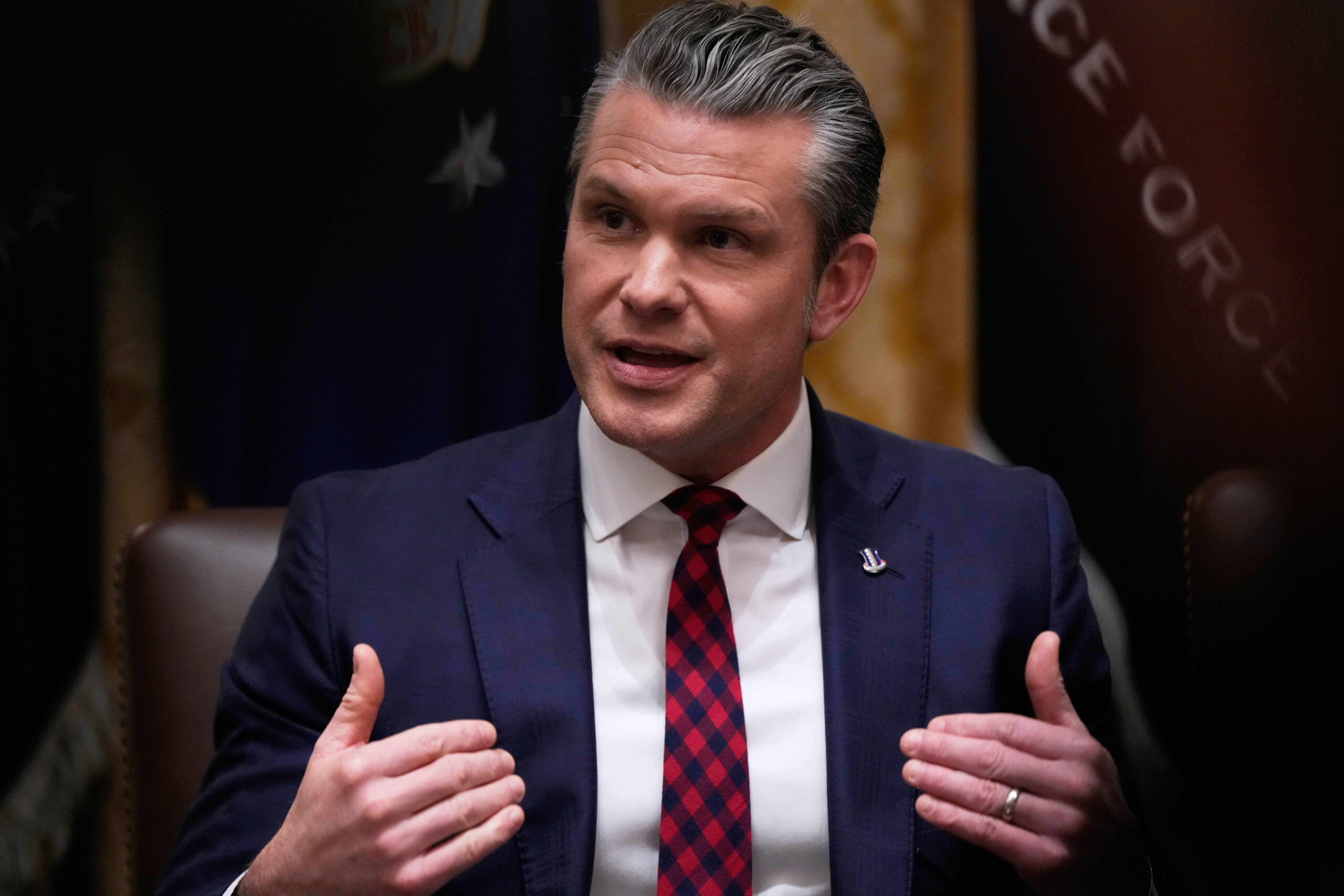
Controversy Erupts Over Caribbean Bombing Incident Involving Alleged Drug Traffickers
Overview of the Incident
In a recent statement, Defense Secretary Pete Hegseth shifted responsibility for the controversial bombing of alleged “drug boat” survivors in the Caribbean Sea onto Admiral Mitch Bradley, head of the U.S. Special Operations Command. This incident, which occurred earlier this year, has sparked a wave of anger among lawmakers in Washington, D.C., especially as Admiral Bradley prepares to brief the Senate and House Armed Services Committees.
Key Details of the Bombing
- Date of Incident: The initial strike occurred on September 2.
- Allegations: Hegseth argues that Bradley authorized the subsequent attack despite only being physically present during the first strike, which he described as chaotic due to smoke and fire.
- Decision-Making: Hegseth emphasized that he "empowered" military leaders, including Bradley, with the authority to act in such situations, stating, “I have empowered them to make that call.”
Hegseth’s Statements
In a Cabinet meeting alongside President Donald Trump, Hegseth made it clear that any follow-up strikes were within the operational parameters he established. He recounted his experience on the day of the bombing:
“I moved on to my next meeting. A couple of hours later, I learned that [Admiral Bradley] had made that decision to ultimately sink the boat and eliminate the threat,” Hegseth stated.
Despite expressing confidence in Bradley’s judgment, he acknowledged the confusion that can occur during warfare, dubbing it the “fog of war.”
Growing Congressional Concerns
The incident has not gone unnoticed on Capitol Hill. Prominent Republicans, including Senator Roger Wicker and Congressman Mike Rogers, have indicated a need for serious investigations into the event. Senator Rand Paul has voiced strong objections, emphasizing that:
“War powers belong to Congress, not the White House. The latest boat-strike revelations make that clearer than ever.”
Public Reaction
Senator Paul stresses the potential consequences of arbitrary military action, citing a Coast Guard analysis revealing that one in five intercepted drug boats had no drugs onboard. Paul humorously referred to Hegseth’s approach as a "reign" of “blow-them-all-to-smithereens.”
President Trump’s Stance
At the Cabinet meeting, President Trump downplayed the bombing issue, indicating his lack of information regarding the operational details:
“As far as the attack is concerned, I still haven’t gotten a lot of information…I didn’t know anything about people,” he said.
What’s Next?
Admiral Bradley’s upcoming congressional brief is poised to stir further discussions on military protocols and the legalities surrounding military engagements, particularly with the ongoing tensions in regions like Venezuela. Both domestic and international audiences will be closely monitoring the developments in this situation.
Conclusion
The bombing of alleged drug traffickers in the Caribbean has raised significant questions about military command authority and accountability. As investigations draw nearer, the focus will remain on ensuring responsible actions are taken in future military operations. For further insights, visit NPR for more on defense policies and military actions.
Keywords: Defense Secretary, Pete Hegseth, Admiral Mitch Bradley, Drug Smuggling, Caribbean Bombing, Congressional Investigation, President Trump, War Powers.
