


Video at the bottom!
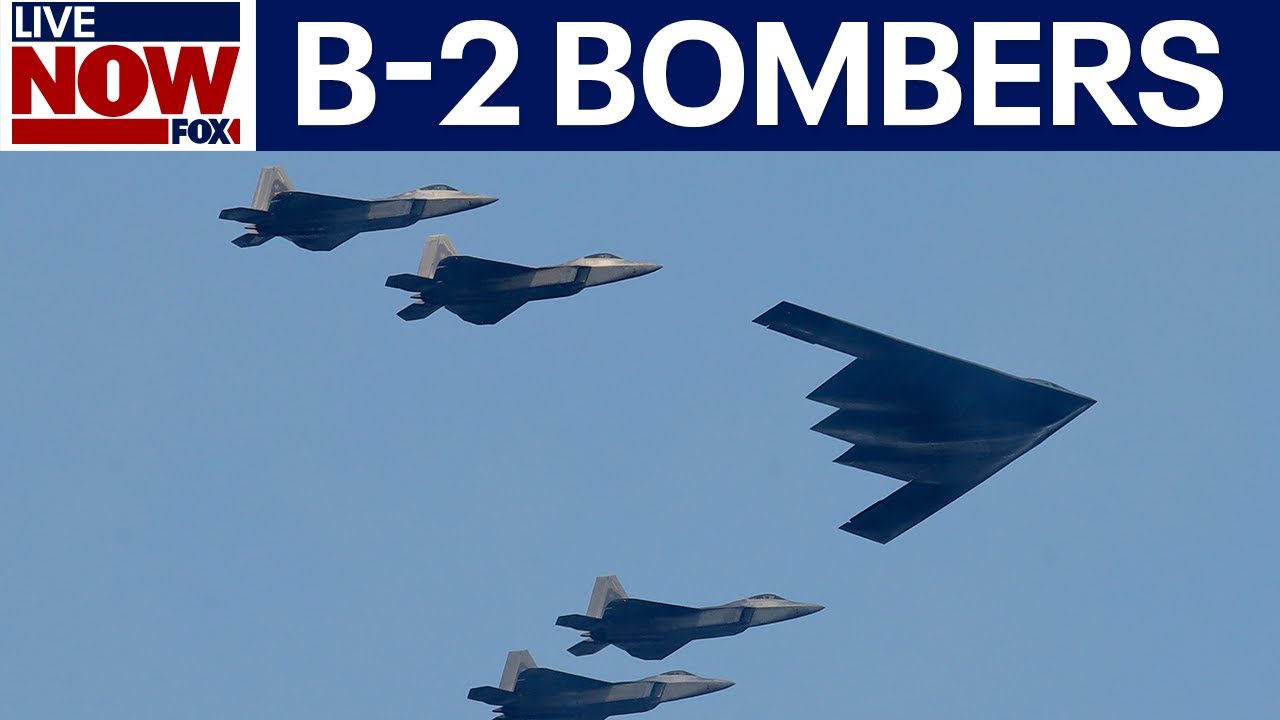
In a rapidly evolving situation, Fox News has just reported that six U.S. B2 stealth bombers appear to be en route to Guam. This development is part of the broader context of increasing tensions in the region, particularly concerning Iran. The Israel Defense Forces (IDF) recently announced that they intercepted 40 unmanned aerial vehicles (UAVs) fired from Iran overnight, bringing the total intercepts since Operation Rising Lion to over 470, reflecting a success rate of 99%.
As we unpack these updates, Jonathan Rui, the JINSA Director of Foreign Policy, shared insights on the escalating conflict. He emphasized the significance of the upcoming two-week deadline set by President Trump regarding Iran, noting that a military strike against Iran carries substantial stakes for the U.S. The immediate concern focuses on Iran’s Fordow nuclear facility, the most fortified site hosting critical enrichment capabilities, which poses a challenge for Israel due to its lack of suitable munitions to neutralize it effectively. Rui indicated that the discussion revolves around potential U.S. involvement using Massive Ordnance Penetrators, capable of breaching such defenses.
Beyond immediate military concerns, Rui highlighted the broader implications for U.S. policy, aligning with over two decades of bipartisan commitment to preventing Iran from developing nuclear weapons. He pointed out that Iran continues to show resistance to U.S. demands, raising the stakes for military action.
When comparing Iran’s military capabilities to those of the U.S., Rui noted that while Iran’s forces are significantly weaker overall, they have strategically built their military to counter U.S. power projection in the region, threatening American bases in the Gulf with various missile and drone technologies.
Additional breaking news has surfaced regarding Iranian media reports of a prominent Iranian nuclear scientist killed in Israeli strikes, marking another tactical success in a campaign aimed at undermining Iran’s military command and control structure. Rui argued that neutralizing key personnel is as crucial, if not more so, than targeting hardware.
In regard to the significance of the U.S. B2 bombers moving toward Guam, Rui acknowledged that while such movements can often be routine, they take on a heightened importance amidst current tensions. The potential relocation of these bombers to Diego Garcia—a U.S.-British base closer to Iranian targets—would suggest a more serious operational intent.
Rui further discussed threats from Iranian officials, who indicated that if Supreme Leader Ali Khamenei were targeted, U.S. military personnel could be at risk. He affirmed the validity of such threats, noting Iran’s capacity to escalate conflict in response to Israeli actions.
Amidst this backdrop of military engagement, Rui also addressed the distinction between the Iranian regime and its populace. He pointed out that while the government maintains a staunch anti-American stance, a significant portion of the Iranian public seeks a better life, often at odds with the regime’s aggressive policies.
As the conversation turned to the ongoing military operations in Iran, Rui noted that while Israel has had remarkable success in degrading Iran’s offensive capabilities—particularly medium-range missiles—the extent of damage to Iran’s nuclear sites remains uncertain.
Concluding the discussion, Rui emphasized the importance of a unified front between the U.S. and Israel to effectively deter Iran’s aggressiveness and eliminate any perceived divisions that might embolden the regime. This nuanced analysis underscores the complexity and seriousness of the situation as it unfolds, putting into focus the various geopolitical dynamics at play.
